A glazing enquiry in El Besòs i el Maresme should identify the affected element first: window, glazed door, shower screen, shopfront or terrace enclosure. Explain whether the glass is broken, misted between panes, loose, scratched or whether the frame and hardware are causing the problem. Do not remove large shards or press against cracked glass; restrict access if there is a risk of cuts or falling material. El Besòs i el Maresme is in Sant Martí, but the neighbourhood name cannot establish what glass is installed in a particular property. Take photographs from a safe position, provide approximate dimensions without handling the pane and describe how the area is used. Mention frequent pedestrian movement or changes in level near the glazing.
Safety glass and frame compatibility
Selecting replacement glass requires consideration of impact risk, pane size, position and the supporting frame. Spain's building code DB-SUA includes safe-use criteria and supporting material on glass impact classification; the relevant requirements depend on the situation. Two panes that look similar may perform differently. Doors, circulation routes and low-level glazing deserve particular safety attention. For windows, thermal insulation, noise reduction and solar control can matter, but a specific improvement cannot be promised without assessing the whole frame-and-glass assembly. Ask about thickness, make-up, edge sealing and compatibility with existing beads and hardware. Do not choose a substitute solely because it looks like the original.
Breakage, internal misting and leaks are different faults
A crack, complete breakage and condensation between panes require different remedies. Avoid impacts, vibration and repeated opening if a pane is fractured. Moisture trapped inside a double-glazed unit can indicate failed edge sealing; cleaning the outside will not remove water between panes. If a window lets in air or rain, seals, drainage paths, hinges and the junction with the wall may also need assessment. Record whether the problem occurs during rain, strong wind or temperature changes. Ask the glazier to explain which component has failed and whether replacing only the glass, repairing the frame or renewing the complete assembly is justified. Replacing a pane without addressing a failed support may not solve the problem.
Shower screens, balustrades and external enclosures
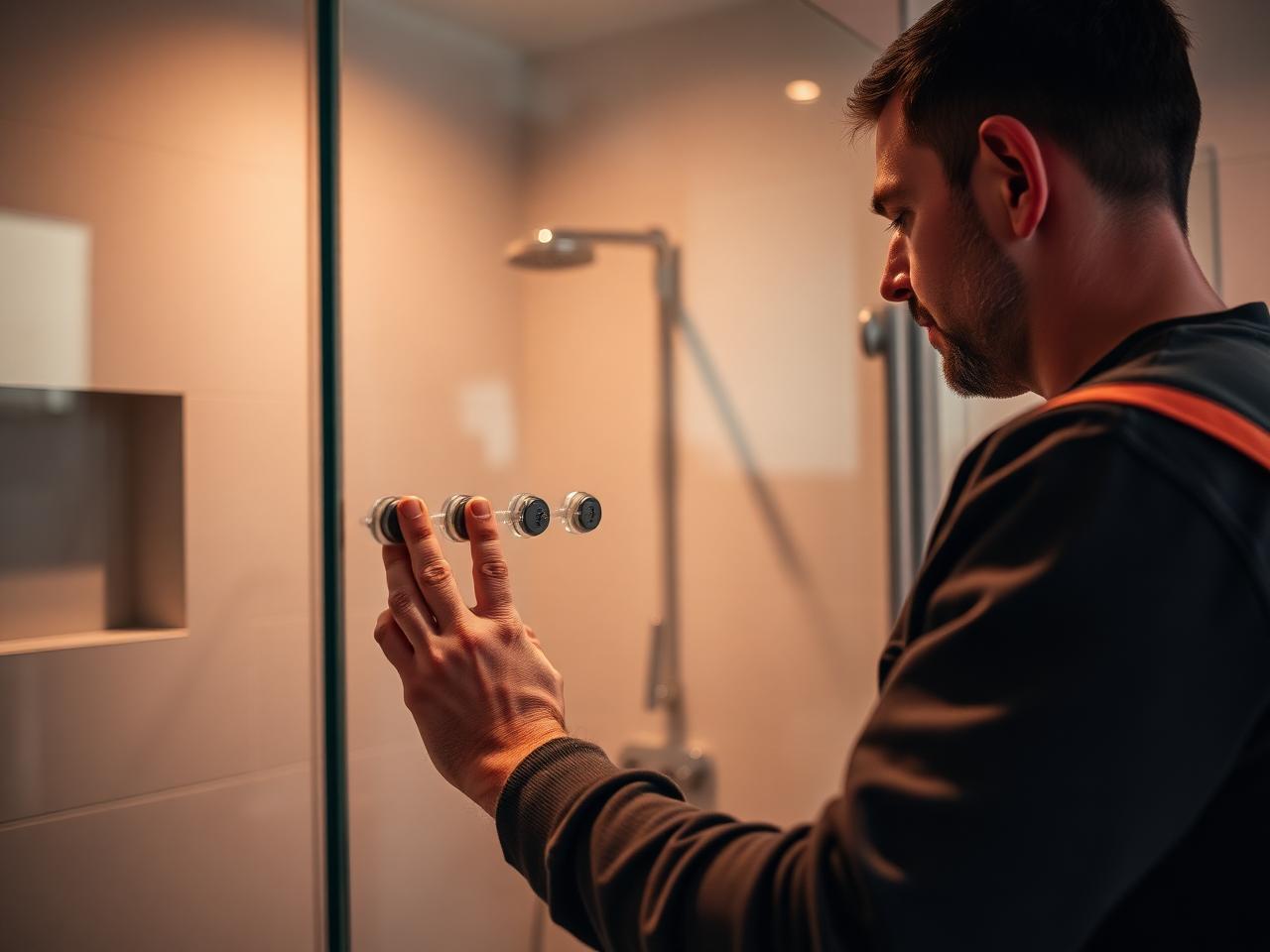
A shower screen or terrace enclosure cannot be assessed from dimensions alone. Supports, alignment, moving leaves, fixings and water junctions all matter. A shower leak may arise from seals, floor falls or installation rather than a defective pane. If the proposal affects a glazed balustrade, facade or external enclosure, obtain suitable technical assessment and check building and municipal permissions. Do not alter an element that protects against falls without professional evaluation. For a shopfront, clarify how the opening will be secured temporarily and how broken glass will be removed. Special glass types may require fabrication; do not assume immediate stock or a fixed delivery date.
Measuring, manufacture and itemised quotations
Compare quotations that specify final measured dimensions, glass composition, delivery, removal, installation, sealing and waste disposal. Ask whether frame repairs and new seals are included, what happens if damaged supports are discovered and how the work area will be protected. Final measurements should be checked before manufacturing made-to-measure units; rough dimensions supplied with an enquiry are not enough. Request an explanation of the chosen specification, cleaning advice, applicable paperwork and an invoice. Compare safety and performance as well as thickness and price. The neighbourhood itself cannot establish the cost or availability of a particular glass configuration.
Describe the element, symptoms and approximate size, and share safe photographs. If glass is unstable, keep people away until it has been assessed.
