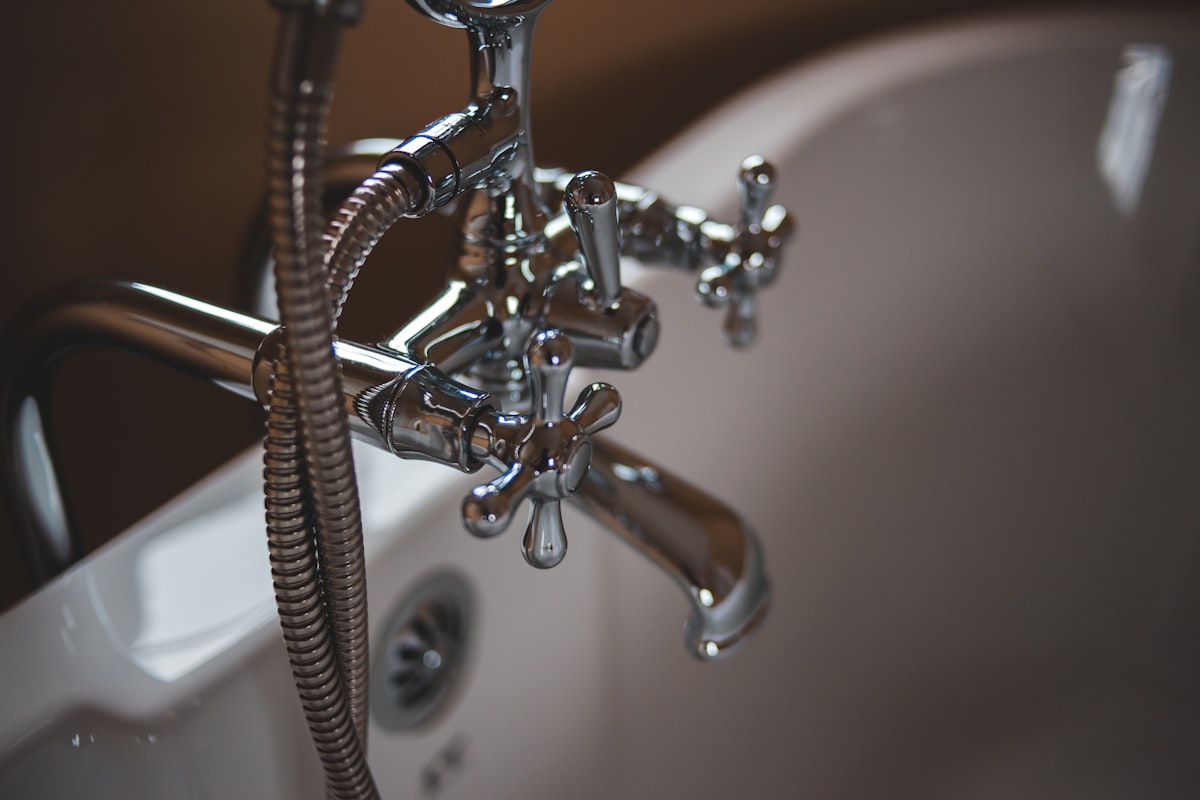
In El Besòs i el Maresme, a plumbing enquiry should begin with the symptom rather than a part selected remotely. Visible dripping, drain smells, low pressure and damp staining call for different checks. A property's address cannot establish its pipe material or condition. This guide explains how to collect useful information, distinguish private plumbing from shared services and request work with a verifiable scope. If water reaches sockets or electrical equipment, keep clear and prioritise safety. No particular fault or repair can be diagnosed from the neighbourhood name alone.
Distinguishing symptoms and causes
Low pressure at one tap can involve an aerator or flexible connection, whereas a building-wide reduction requires checks of valves, filters, supply and shared services. With a slow drain, distinguish a local trap blockage from a deeper obstruction, inadequate ventilation or poor fall. A smell alone does not prove a broken pipe. Record when the symptom occurs, which fittings are affected and whether it follows use of a washing machine, shower or sink. Avoid aggressive chemical drain cleaners: they can splash and complicate later inspection. A competent professional should select appropriate fault-location tests.
When to request an assessment
If water continues to escape, identify an accessible isolation valve only if it is safe to do so, without dismantling fittings. Observe whether the leak stops when appliances are unused and whether damp appears on walls, ceilings or floors. Do not break finishes simply to follow a stain: water can travel before becoming visible. If several homes or a shared soil stack may be involved, inform the building manager before work begins. Where people, electrics or structural elements could be at risk, obtain appropriate assistance. General information cannot replace an on-site assessment of the actual conditions.
Materials and testing
Repairing a joint, valve or pipe requires identifying diameter, material, operating pressure and access. Not every fitting or sealant is compatible with every system. A connection that will be concealed needs appropriate checks before the wall is closed; drainage work should be tested for proper discharge and leaks. Spain's Technical Building Code, Basic Document HS, provides a reference for sanitation requirements relevant to the actual work. It does not identify the installation in any specific property. Where pipework is communal, establish ownership and permission before choosing the repair. Do not accept an unverified claim that all homes use the same materials.
Quotation and rights
Request a written quotation separating diagnosis, opening access if required, materials, labour, testing and reinstatement of finishes. A photograph may help explain a symptom but cannot establish concealed routes or the extent of damage. Ask what happens if investigation reveals a different defect: additional work should be communicated and agreed before proceeding. The Catalan Consumer Agency explains quotation and invoice rights for home services. Keep initial photographs, the accepted scope, agreed variations and the final invoice. No specific price, attendance time or availability is verified for this enquiry.
For a plumbing enquiry in El Besòs i el Maresme, describe the affected fitting, when the symptom appears, any safe observations already made and the access available. Say whether shared building services may be involved. Ask for a written diagnosis, scope and final checks rather than assuming that one standard repair will solve every cause.
