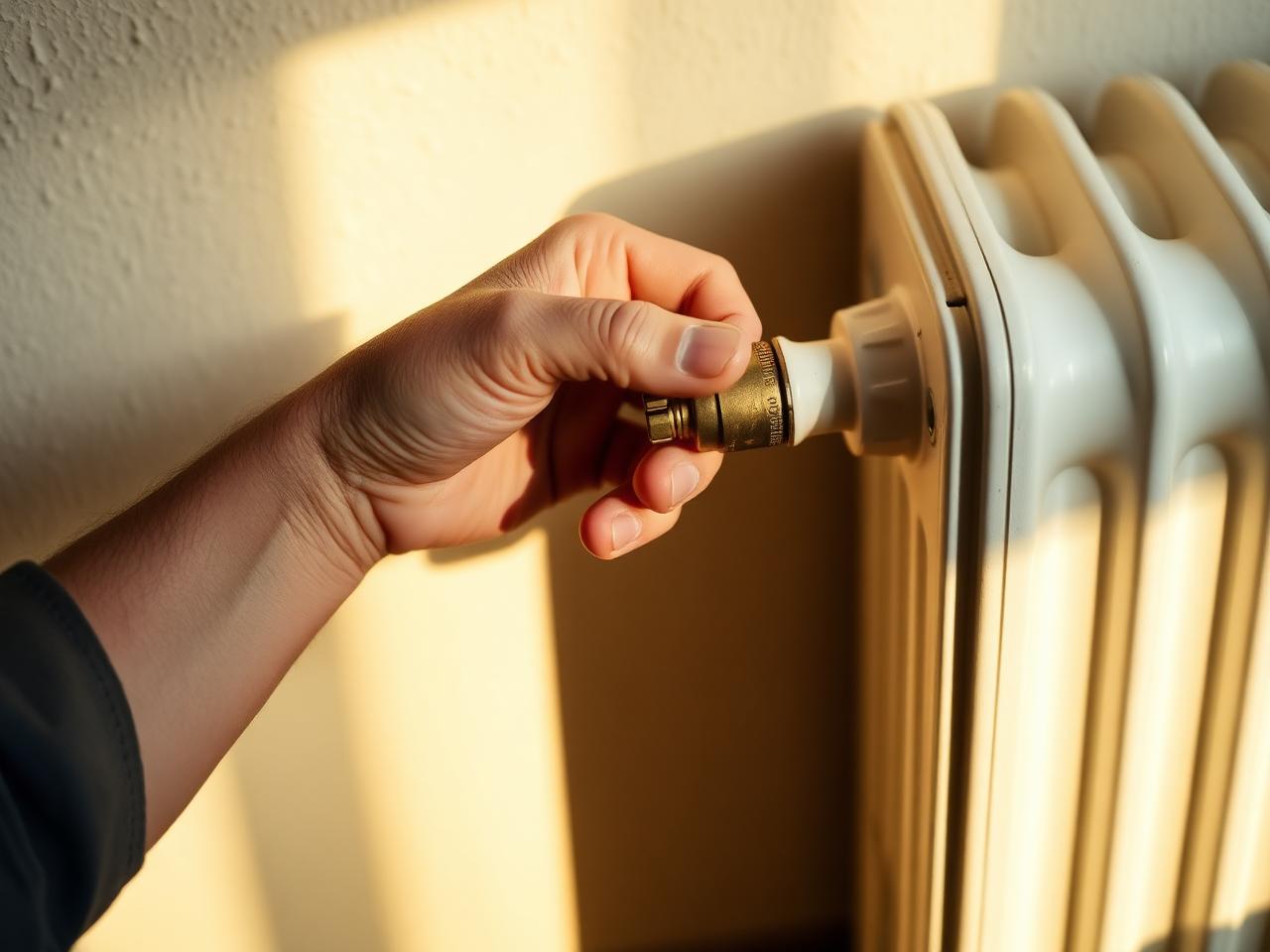
When describing a heating problem in Hostafrancs, distinguish a cold room with hot radiators, one radiator that barely warms up and a system that shuts down or loses pressure. These symptoms need different investigations. Say whether you have an individual boiler, electric heating or a communal system, and what happens when the thermostat calls for heat. Record whether every room is affected, whether the fault is intermittent and whether it coincides with hot-water use. The neighbourhood does not establish the fuel type or age of any particular installation. Do not open a boiler or interfere with gas pipework; bleeding a radiator is not a universal remedy.
Private or communal systems
In Hostafrancs, responsibility for the affected component matters. A radiator within a flat is not managed in the same way as a shared heating riser or communal plant room. Ask the building manager about isolation and authorisation before anyone alters shared pipework. If replacing emitters is proposed, the assessment should consider heat loss, flow temperature, radiator compatibility, controls and distribution. Spain's RITE sets requirements for thermal installations and maintenance, with documentation depending on the work. No credible energy-saving percentage can be promised without the building characteristics, operating patterns and actual consumption. Treat a generic saving claim as a question to investigate, not a reason to sign.
Radiator and pressure diagnosis
A radiator that is cold at the top may contain air, but uneven heat can also involve flow, valves or hydraulic balancing. Avoid repeated bleeding or continually topping up a system that is losing pressure. If the pressure gauge is plainly visible, note the reading and date without changing unfamiliar controls. Repeated pressure loss may require professional testing of leaks or system components. If the thermostat requests heat but nothing starts, separate programming, power, communication and generator faults. Replacing a boiler before checking these possibilities may be unnecessary. Ask what observation or measurement supports the diagnosis, rather than accepting a repair based solely on a description over the telephone.
Compare repair and renovation
Compare quotations that separate fault finding, tests, identifiable replacement parts, labour, circuit draining and refilling where needed, commissioning and final checks. A refurbishment proposal should state whether it includes pipework, valves, controls, pump, heat generator and making good any disturbed finishes. Ask for records of adjustments and the appropriate operating pressure for the actual system, rather than a universal number. Check warranty terms and manufacturer maintenance guidance. If a quote relies only on floor area without examining the reported fault, ask for a technical explanation. Any additional work should be explained and agreed before it begins.
Safety and preparation
If you smell gas, do not try to locate a leak or operate switches; move away and follow emergency or supplier instructions. Avoid contact where water reaches electrical components. For a Hostafrancs enquiry, prepare photographs of accessible radiator valves and equipment labels without removing covers, a timeline and a list of affected rooms. Explain whether you rent or share the heating installation with other flats. Ask which checks distinguish trapped air, poor flow, defective controls and water loss. The sensible outcome may be an adjustment, local repair or larger renovation, but it should follow evidence. This guide makes enquiries clearer; it does not confirm previous visits or contractor availability.
Describe the symptoms, clarify shared responsibilities and request evidence before agreeing to replacements.
