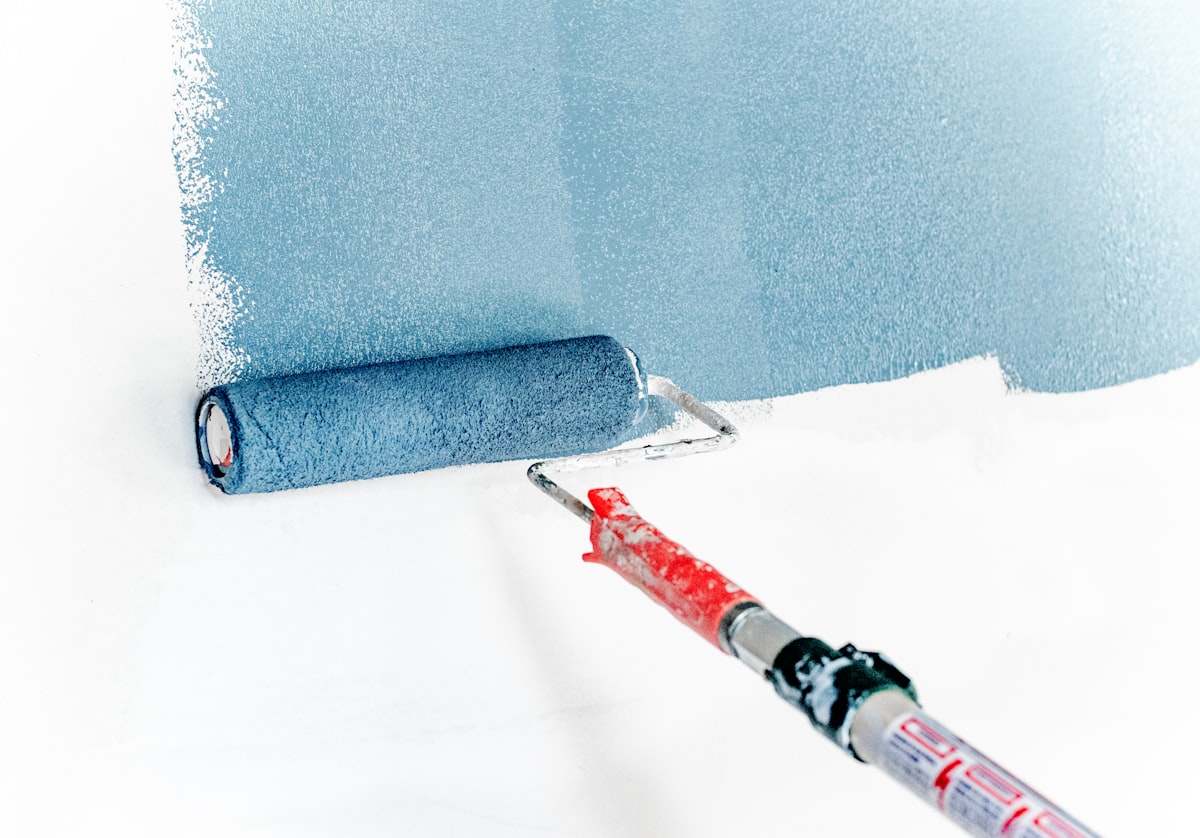
Painting a flat in Hostafrancs should start with inspecting the surface, not choosing a colour from a photograph. Hostafrancs is an official Barcelona neighbourhood, but that does not tell you whether a particular wall has damp, cracks or poorly bonded old coatings. Check ceilings, corners, joints, woodwork and areas behind furniture before estimating materials. Explain which rooms will remain occupied, whether children or pets are present and how ventilation can be arranged. A fresh coat can hide a stain briefly without solving its cause. Useful work begins with diagnosis, protection and preparation. Compare quotations by separating substrate repairs, primer, number of coats, specified paint and final cleaning; these are not interchangeable items.
Investigate damp and cracking first
A recurring stain, blistering or flaking paint can indicate a leak, condensation or poor adhesion. Before sanding and repainting, identify the cause and check that the substrate is ready for a finish. Spain's CTE DB HS covers health and moisture-related building requirements, but it cannot diagnose an individual property remotely. Fine surface crazing is not the same as a crack that is widening or crossing structural elements. If movement, extensive mould or suspected structural damage is present, pause decorative work and seek suitable assessment. Do not seal active moisture behind an impermeable coating without understanding the water path. A successful repaint depends on resolving the underlying problem rather than concealing it.
Choose the finish and manage exposure
Select paint for the substrate, room use, expected cleaning, sheen and environmental conditions, not just a shade card. A very matt finish may disguise minor imperfections while other coatings can be easier to wipe; check each product's technical sheet. Confirm whether the paint is water-based or contains solvents and what ventilation is required during application and drying. Spain's National Institute for Safety and Health at Work explains solvent risks and preventive measures. Follow manufacturer instructions on dilution, recoating intervals and reoccupation. Test the chosen shade in the actual room and inspect it under daylight and artificial light. Do not assume any product is completely odourless or instantly dry.
Prepare and protect the surfaces
Protect flooring, sockets, frames and furniture before scraping or sanding. Test the adhesion of existing coatings on a small area and remove loose material. Choose compatible filler for minor defects, allow the manufacturer's drying time and control sanding dust. Do not disturb older coatings of unknown composition without assessing potential hazards; seek specialist advice if a dangerous material is suspected. Highly absorbent repairs or major colour changes may require a suitable primer. Ask for separate measurements of walls, ceilings, doors and decorative trim. Good preparation is usually more important to long-term durability than applying another coat over an unstable base. Agree who will move furniture and remove masking materials afterwards.
Itemise the quote and inspect the finish
For a Hostafrancs property, provide approximate surface areas, photographs of defects, ceiling heights and details of furniture that must be moved. Ask the quotation to distinguish crack repairs, removal of loose coatings, primer, coats, product reference, protection and waste. A price per room can conceal major differences in preparation. The Catalan Consumer Agency advises written quotations and agreement before additional charges. Inspect the finished work in natural and artificial light: even coverage, clean edges beside frames, absence of splashes and clean fittings. Retain the exact colour reference for later touch-ups. Do not sign off an unresolved recurring stain as though a decorative coat has fixed its source.
Send the Hostafrancs address, photographs, room dimensions and preferred finish. Request an itemised quotation for preparation and materials.
