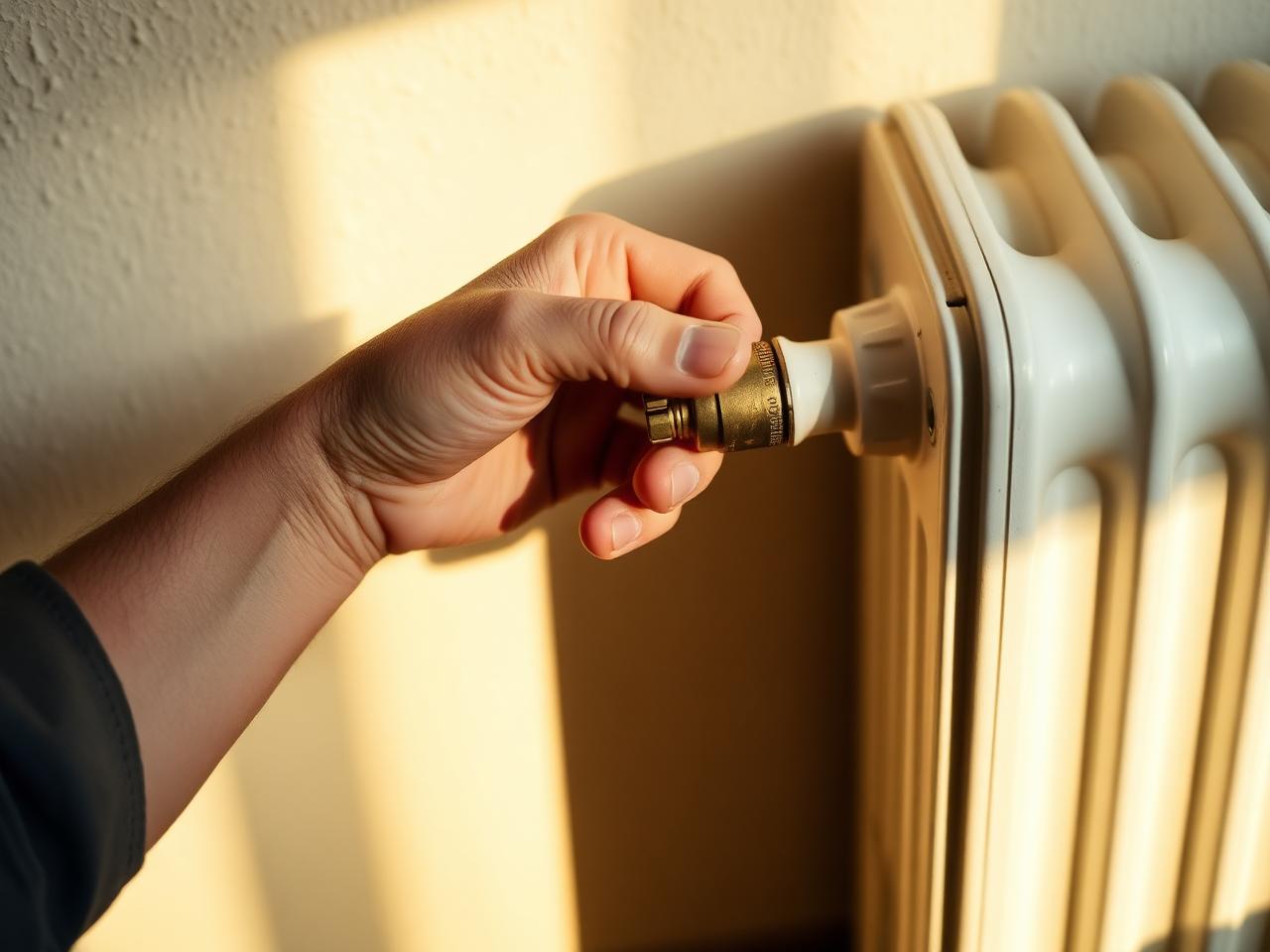
When heating in an El Poblenou flat is unreliable, describe the installed system before deciding what should be repaired. A cold radiator, repeated pressure loss and a boiler displaying a fault code are different symptoms. Record when the problem began, whether every room is affected and whether hot water also fails. Identify the heat source and thermostat without dismantling them. If heating is communal, consult whoever manages the shared installation first. Do not tamper with gas valves, flues or internal electrical components to run your own tests. Useful observations can reduce unnecessary replacement proposals.
Diagnosis and checks
Assessment starts with safe observations: thermostat settings, schedules, the response of each emitter and any display messages. A partially warm radiator may require checks on circulation, trapped air, valves or hydraulic balancing; bleeding is not a universal cure. A start-up noise differs from a continuous hum. Repeatedly topping up a circuit that loses pressure can conceal a leak. Ask the professional to explain which tests they intend to perform, how the results will distinguish possible causes and when shared building equipment needs examination. Avoid repeatedly resetting a faulting appliance without diagnosis.
Safety and coordination
If you smell gas, avoid flames and switches, leave the premises and contact the appropriate emergency service from a safe location. If carbon monoxide is suspected, especially alongside dizziness or headache, leave and seek urgent assistance. Do not operate equipment showing abnormal combustion. Work involving flues, façades, courtyards or communal pipework needs coordination with building management. In rented accommodation, document who requests the repair and who approves the cost. Do not conceal a fault with paint, sealant or repeated resets. Safety takes precedence over convenience and decorative appearance.
Equipment and compatibility
Before replacing a boiler, heat pump or controller, compare compatibility with the existing installation and the home's actual heat demand. Capacity depends on heat loss, insulation, ventilation and use, not floor area alone. Radiators require attention to connections, valves and maintenance access; underfloor systems respond differently. A smart thermostat may improve scheduling but cannot correct poor system balancing. Request an explanation of flue arrangements, condensate drainage, electrical supply and any drilling affecting façades or shared courtyards. A brand recommendation is not a substitute for technical specifications and a suitable installation design.
Scope and quotation
A heating quotation for El Poblenou should distinguish diagnosis, servicing, repair, replacement and final tests. Request the proposed model, technical specifications, parts, labour, waste removal and handover documents. Compare like-for-like scope, not just two headline totals. Where the fault remains uncertain, separate investigation costs from the final repair and agree how changes will be authorised. Spain's RITE governs relevant thermal installations and maintenance. Check that the company performing regulated work is appropriately authorised for that particular task. Keep written records of what has been agreed and of any replacement components.
For an assessment request, supply overall photographs of the appliance, its rating plate and thermostat without sharing unnecessary serial details. Explain whether the fault affects one room or the entire property, whether hot water works and which messages appear. Describe access and the relevant part of El Poblenou for arranging a visit, without assuming all neighbourhood buildings share a system. Request a reasoned diagnosis, post-work tests and a record of changed parts. This guide helps compare proposals but does not promise engineer availability or replace an on-site technical inspection.
