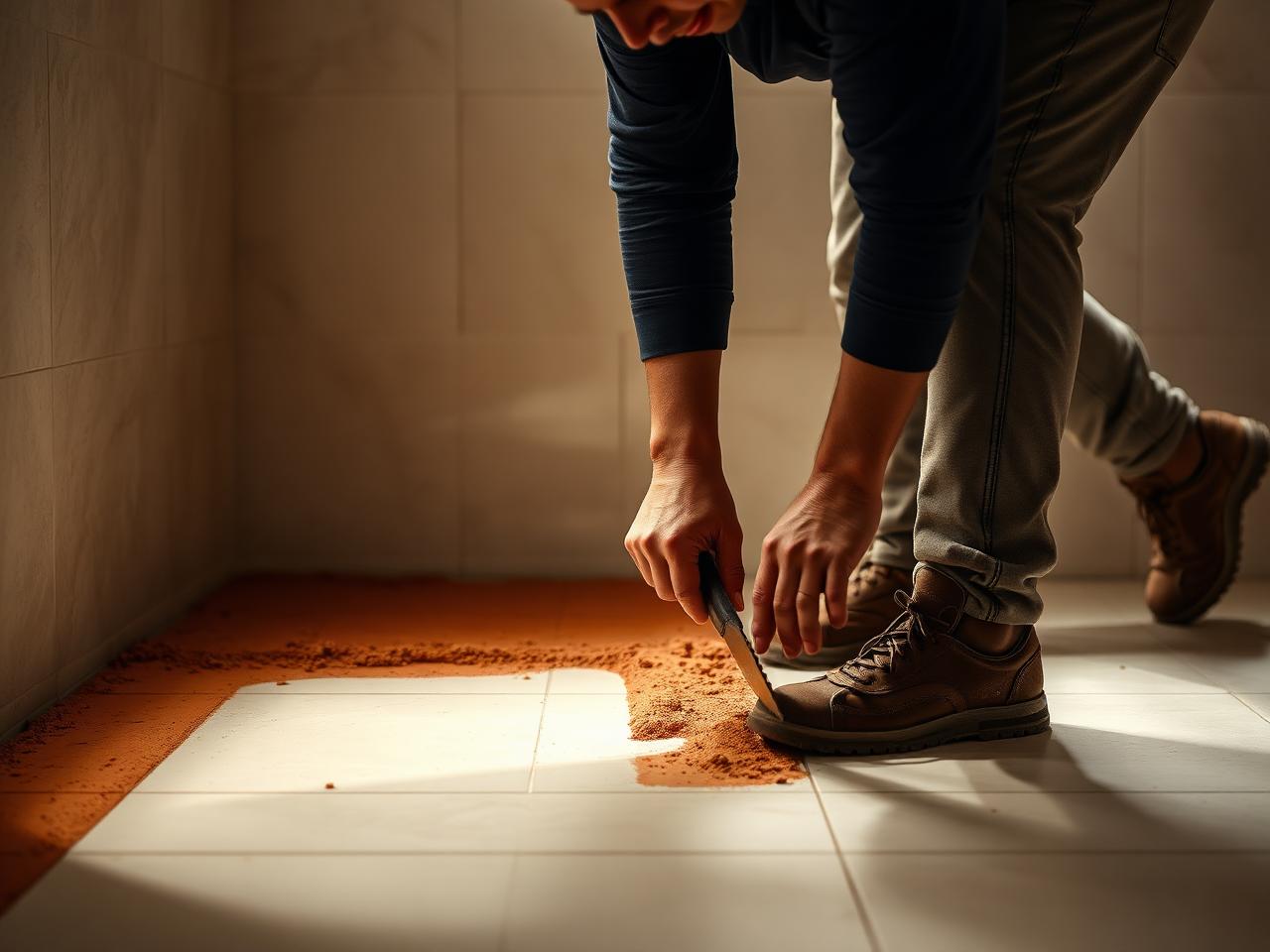
A masonry repair in El Poblenou may begin with a loose tile, crumbling render or a damp patch that returns after painting. These symptoms should not receive the same treatment. Before asking for a quote, identify the affected area, estimate its size and note whether the damage changes after rain or water use. Take photographs with something showing scale. Do not chip into walls or remove finishes near possible cables and pipes without checking what lies behind them. In an existing building, the actual substrate and earlier repairs matter more than a general description of the neighbourhood.
Assessment
First distinguish a damaged finish from an active underlying cause. A hollow-sounding tile may indicate lost adhesion, but does not prove that every tile needs replacing. A superficial hairline crack requires a different assessment from one that grows or crosses several building elements. Record when it appeared and whether doors or windows are affected. If water is entering, investigate the source before sealing or covering the surface; concealing a leak may worsen hidden damage. The Building Technical Code DB-HS sets out health and moisture-protection criteria where relevant. Ask what evidence supports the proposed repair method.
Safety and coordination
Seek competent technical assessment if a crack is widening, elements are deforming, material is falling dangerously or structural damage is suspected. Do not continue DIY demolition if unfamiliar materials or live services are exposed. For work affecting a communal façade or courtyard, contact the building manager before commissioning it. Tenants should document the condition and clarify responsibilities. For a small patch, ask whether colour or texture differences will remain visible: a sound repair may require a larger finishing area for an acceptable appearance.
Materials and details
Mortars, adhesives, grout, primers and waterproofing systems must be compatible with the substrate, moisture conditions and intended use. Do not select a product simply because it was used elsewhere. In showers, terraces and kitchens, distinguish the visible tile finish from the layer that actually prevents water penetration. Check falls, drain connections and movement joints before tiling. For external or shared building elements, clarify permissions, safe access and community responsibilities. An El Poblenou address does not establish whether a wall is load-bearing. Ask how the substrate will be prepared and checked before the new finish is installed.
Quotation
Request an itemised estimate covering diagnosis, protection of furniture, removal, substrate preparation, materials, waterproofing where necessary, fixing, grouting, cleaning and waste. Ask whether water-tightness checks are included and how extra damage discovered beneath the finish would be handled. Do not accept a coating marketed as a miracle cure instead of investigating an active leak. The Catalan Consumer Agency advises written estimates and agreement before additional charges. No invented square-metre rate, guaranteed date or availability is advertised for El Poblenou.
For a masonry assessment in El Poblenou, describe the room, approximate area, existing finish, symptoms and how they have changed. Share close-up and wider photographs without disturbing dangerous material. Explain whether the damage coincides with rain, showers or plumbing leaks and whether neighbours or common areas are affected. Ask the proposal to distinguish correction of the cause, repair of the substrate and the visible finish. If full replacement is recommended, request the technical or aesthetic reason and alternatives. Keep a record of the initial condition and agreed completion checks.
