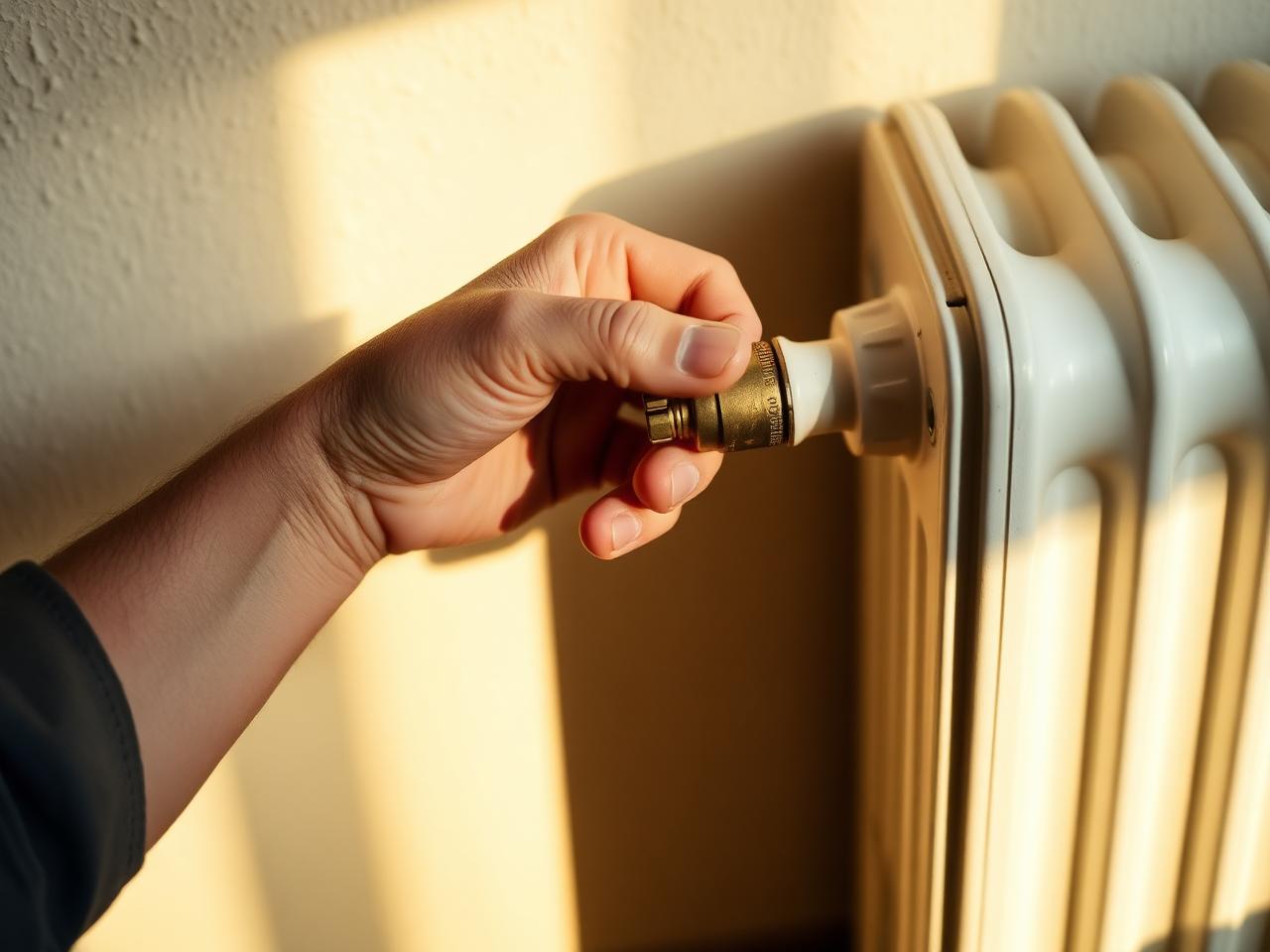
If one radiator in el Camp d'en Grassot i Gràcia Nova stays cold while others warm up, turning the room thermostat higher is not necessarily the answer. It matters whether the whole radiator is cold, just one section is cooler, the inlet appears to receive heat and the problem happens every time or only during start-up. These patterns suggest different questions about water circulation, valves and system controls. This heating-service guide explains what to document before requesting a contractor, how to avoid confusing a local radiator issue with wider heating demand, and which checks should be left to trained professionals. A neighbourhood name does not establish the age, fuel type or configuration of an individual household heating system.
Describe an unevenly heated radiator before touching the circuit
Start with controls that are intended for ordinary users and can be checked safely. Note whether the room thermostat is calling for heat, which other radiators are working, whether the affected unit is in the same zone and whether the fault is constant. Visually check the position of an accessible manual valve without forcing it if it will not move freely. Record unusual sounds and any displayed fault code, but do not assume that either identifies a particular component. A cool lower section does not automatically demonstrate sediment: surface temperature can depend on flow rate, radiator design and demand. Equally, a completely cold radiator does not automatically mean that a boiler has failed. Potential explanations include a thermostatic valve that is not operating as intended, inadequate flow through the radiator branch, control settings or an imbalance between different emitters. Differentiating them requires understanding the whole arrangement. Do not open bleed screws, drain water or alter pressures as an improvised diagnostic exercise. An unfamiliar pressurised installation can leak, burn skin or stop working altogether. A useful service request describes the number of affected radiators, their locations, the timing of the symptom and the response when heat is requested. The technician can then check the actual flow path and control equipment before recommending replacement parts.
Stop home checks when leaks or safety warnings appear
If water is escaping, you smell gas, see smoke, notice unusual overheating or find moisture near electrical equipment, stop trying to investigate the system yourself. For a suspected gas leak, do not operate electrical switches or attempt valve repairs; follow the emergency service and gas supplier's safety instructions. Keep children away from very hot emitters or exposed pipes. Boiler, burner, electrical and pressurised heating-system work must be handled by competent personnel, with the appropriate authorisation where required. Spain's RITE sets obligations for thermal installations, but an online summary cannot certify whether a particular property meets those requirements. If heating is shared by a building community, ask the administrator whether other apartments are affected before authorising changes to common plant or pipework. A room that feels cold because of heat loss is also different from a radiator with poor circulation, although both can occur together. The first objective is to identify the scope of the fault without creating a new hazard.
Valve compatibility, controls and flow balancing
A replacement thermostatic head or valve needs to match the actual model, thread or fitting, connection dimensions, valve-body condition and control specification. Different heads are not universally interchangeable, and a new control will not necessarily correct restricted circulation or distribution problems. Hydronic balancing may be relevant where radiators receive uneven flow, but it should not be sold as a universal fix without assessing the layout. Timers, zone controls and sensors can also affect when a particular radiator gets heat. Record visible model labels without removing covers or touching hot connections. If work on the water circuit is necessary, floors and furnishings should be protected, any shutdown coordinated and seals tested for leakage before the installation is handed back. Promised energy-saving percentages require real measurements and justified comparisons, not a guess based on changing one valve. Even a component that looks faulty may be responding to a problem elsewhere in the heating system.
Ask for a heating quote that separates diagnosis from repair
A written quotation should distinguish attendance and fault diagnosis, testing of user controls and valves, technical measurements, parts where justified, labour, checks after repair, taxes and conditions. If it is not yet known whether the issue concerns a radiator valve, circulation pump, balancing or the main controller, the proposal should explain what inspection will settle that uncertainty. Replacing every radiator because one stays cold is not a reasonable default without a documented reason. Costs and practical scope can change if a circuit must be partly drained, a community shutdown organised or concealed components accessed; agree that work before extending the order. The Catalan Consumer Agency gives guidance on home-service quotations and contractual information. Keep photographs of visible symptoms, written fault codes and the invoice. After any repair, the system should be observed under representative heating demand to check whether the reported fault was addressed. There is no verified universal per-radiator price in el Camp d'en Grassot i Gràcia Nova without knowing the equipment, accessibility and cause.
For a heating enquiry in el Camp d'en Grassot i Gràcia Nova, explain whether the radiator is entirely cold or only cool in one area, how many emitters are affected and what happens when the thermostat calls for heating. Provide a photograph of the radiator and user control without dismantling anything. A safe diagnosis should come before choosing replacement parts and agreeing a repair quotation.
