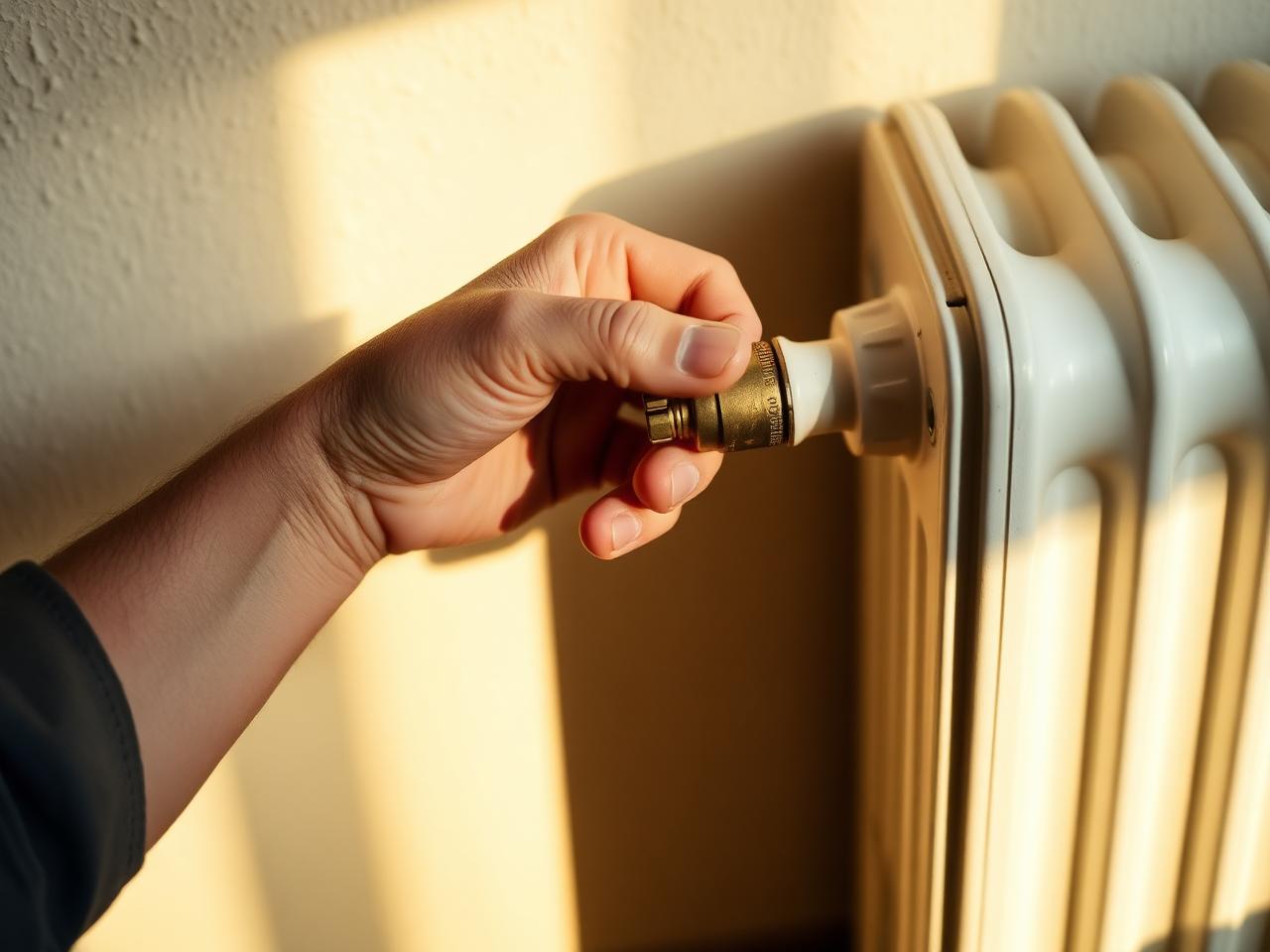
A knock when the heating starts, repeated clicks as radiators cool, or vibration from pipework do not necessarily share one cause. In a home in El Besòs i el Maresme, thermal expansion, irregular flow, trapped air and poorly isolated supports need to be distinguished. El Besòs i el Maresme is an official neighbourhood in Sant Martí, but its location says nothing about the heating arrangement in a particular building. When requesting an assessment, describe exactly when the sound occurs, which radiators are involved and whether temperature or system pressure also changes.
Trace the sound before dismantling anything
Record whether the noise occurs only as the system warms, during cooling, or even when heating is off. A repeated click caused by expanding pipework rubbing against a tight opening can call for a different remedy from a sharp knock associated with a valve or sudden flow change. The location matters: radiator, valve, wall, suspended ceiling and shared riser are not interchangeable. Note whether the thermostat has just switched, a thermostatic radiator valve is closing, and other radiators remain warm. A photograph and short recording can help explain the symptom, but they do not replace measurements of pressure and circulation. Do not loosen hot connections or remove the boiler casing. In a central system, one branch may depend on shared components, so the property manager may need to coordinate access and isolation. A competent assessment should distinguish an irritating sound from a leak, abnormal pressure or safety fault before recommending any replacement parts.
Safety warning signs and final functional testing
If knocking is accompanied by leaking water, dampness near electrical fittings, unusual pressure or a fault warning on the heat generator, do not treat it as a purely acoustic nuisance. If gas is smelled or carbon monoxide is suspected, move away from danger and follow emergency guidance rather than attempting a home repair. Never tamper with sealed combustion components or safety devices. Before the assessment, prepare a short recording, any visible radiator model details, the times when the sound occurs, control settings and whether one or several rooms are affected. For shared heating, establish which elements are private and who can authorise isolation. After work, request a functional test during the cycle that previously caused the noise, checks of accessible joints and controls, and a record of parts changed. Silence while the system is switched off proves very little. Keep the findings so that a returning intermittent fault can be compared with the original symptoms.
Pipe movement, brackets and valves: repair or replace
Where noise comes from a pipe rubbing against a bracket or wall penetration, the contact point and allowance for thermal movement need checking without damaging insulation or finishes. A faulty clip alone does not justify replacing the radiator. If a valve is implicated, check compatibility, direction of flow and the valve body's condition before selecting a replacement. A new thermostatic head cannot resolve poor hydraulic balance across an entire circuit. If some radiators heat unevenly, consider flow distribution, venting where appropriate and system pressure rather than repeatedly topping up the circuit. Spain's RITE sets safety and maintenance requirements for heating installations within its scope; work requiring authorised personnel is not a do-it-yourself adjustment. The Technical Building Code's HE document addresses building energy performance but cannot certify the efficiency of one specific heating system. Full radiator replacement should be justified by the emitter's condition, capacity, connections and compatibility, not by noise alone.
An itemised quote for diagnosis and corrective work
Ask for separate lines covering the initial visit, reproduction of the noise pattern, inspection of supports and pipe penetrations, valve checks, pressure readings, circulation assessment and tests after the repair. If concealed pipework requires opening a wall or ceiling, the proposal should define the opening limit, protection of the home and responsibility for reinstating the finish. A valve replacement should identify the type, connections, any necessary isolation or draining, seals, venting and leak checks. A new radiator involves dimensions, technical suitability, brackets, removal of the old unit and recommissioning. Shared circuits may need advance permission or coordinated isolation; that should be explicit. Comparing a single lump sum with a detailed inspection-and-repair scope is unreliable. A neighbourhood name cannot establish a fixed charge or an arrival time. Ask which causes remain outside the proposed scope and what findings would trigger a separate approval before additional work proceeds.
Describe when the pipes knock in El Besòs i el Maresme and request a staged assessment with functional checks.
