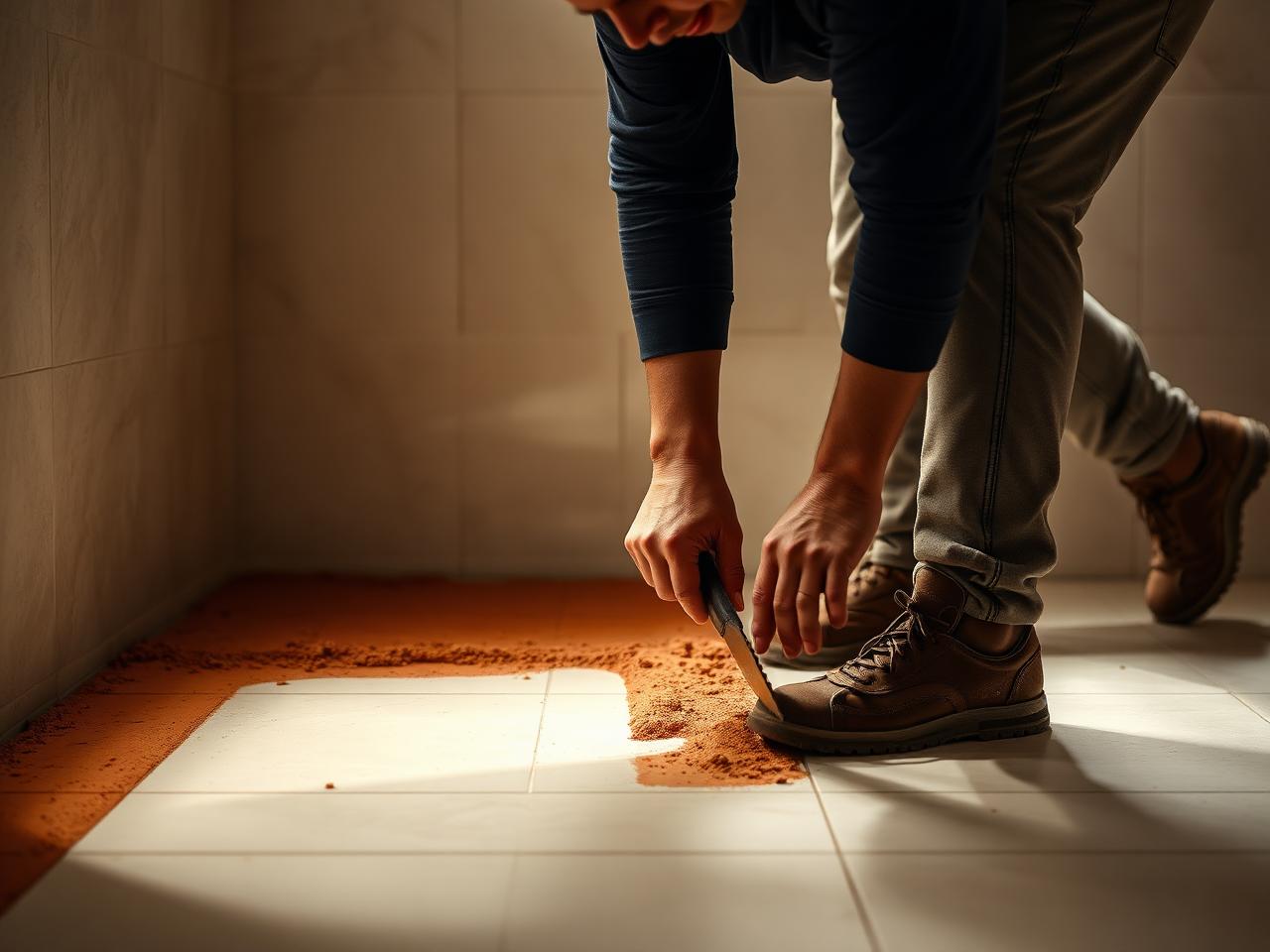
Moisture beside a terrace or balcony door threshold in Can Peguera may return if someone merely paints over the mark or replaces a few tiles. Water could enter through a junction between materials, deteriorated sealing, blocked drainage, poor falls or a different cause requiring investigation. The direction of a stain does not establish the entry point. Explain whether it appears after rain, cleaning or another use of water and whether it affects the wall or floor. This does not assume that homes in the neighbourhood have terraces or a particular construction type. The page addresses a possible repair enquiry, not a verified local defect.
Assessing the cause
Before repair, record the visible water path, joints, the meeting point between frame and floor, and any safely accessible drainage points. If water is actively entering, limit use and protect the interior without creating new hazards. A technical assessment may check falls, waterproofing continuity, substrate condition, seals and nearby possible entry points. Do not apply sealant indiscriminately over damp surfaces or block a drain to experiment. A lasting solution might require opening a limited strip, repairing the base and rebuilding the junction, but the scope needs inspection. It is also important to distinguish rainwater entry from condensation or a plumbing leak.
When to request help
Request an assessment if dampness recurs, finishes detach, a persistent smell develops, the door frame deteriorates or water approaches electrical services. Avoid touching wet electrical equipment and seek appropriate assistance. If another flat or shared element is affected, report the issue and clarify responsibility before opening up building work. Spain's CTE DB-HS addresses hygiene requirements within its scope, but cannot itself identify the source of a specific leak. A surface patch may conceal continuing damage. Ask what observations support the proposed method and which final water-tightness check is appropriate. Do not assume that a dry day proves the problem has been solved.
Materials and compatibility
Possible materials include repair mortars, membranes, reinforcing tapes, compatible sealants and replacement finishes, depending on the existing construction. Not every membrane bonds to every substrate and not every sealant accommodates joint movement. The junction with the door frame, drainage and floor layers must be resolved without diverting water into another room. Repairing one threshold is not necessarily the same as waterproofing an entire terrace. If work touches a façade, downpipe, railing or shared element, permissions and coordination may be needed. Ask which layers will be removed and reinstated and how the proposed system will be protected.
Quotation scope
Request a written quotation separating diagnosis, protection, limited opening-up, waste disposal, substrate repair, justified waterproofing, sealing, reinstatement of flooring and final testing. Agree what happens if more extensive damage is uncovered and who must approve extra work. The Catalan Consumer Agency recommends clear quotations and consent before cost changes. A price based only on the visible stain may miss the actual cause. Provide photographs in dry conditions and after a water event, with approximate dates and circumstances. Ask about curing time, the invoice and how the repair's effectiveness will be checked.
Describe the damage and share photographs to request a written assessment.
