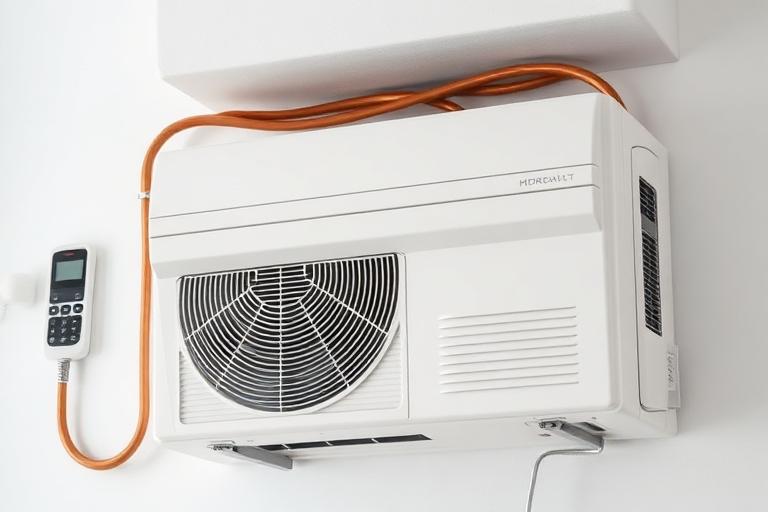
Air conditioning in El Poblenou, a neighbourhood in Barcelona's Sant Martí district: this guide helps distinguish poor cooling, water dripping from an indoor unit and an installation problem. It does not suggest these faults are common locally or assume anything about the age or layout of a particular building. Before requesting an assessment, record the model, symptoms, approximate start date and whether the unit is in cooling, heating or fan mode. A precise description is more useful than requesting a refrigerant top-up or replacement before anyone has diagnosed the fault. Sending an enquiry is not a confirmed appointment.
Indoor water leaks: condensate, drainage and safety
If water drips from the indoor unit, note whether it happens during operation or after switching off. Check only accessible parts without removing covers. If water is close to sockets or cables, stop using the unit and avoid the wet area. A dirty condensate tray, blocked drain, incorrect fall or damaged pipe insulation can produce similar symptoms, so the cause needs checking. Photograph the visible water path and the point where it appears, but do not dismantle the unit or insert tools. Say whether the drain outlet is in a private or communal area, because access and permission can affect the work. Simply sealing over a drip without locating its source is not a sound repair.
Weak cooling: filters, airflow and refrigerant circuit
A unit that blows air but cools poorly does not, by itself, prove a refrigerant shortage. Record the selected temperature, operating mode, any obstructions near the grilles and whether one room or several are affected. Dirt on accessible filters may reduce airflow, but a faulty fan, sensor, restriction or heat-exchange problem calls for different checks. If the system makes unusual noises, displays an error code or trips an electrical safety device, note the code and stop repeated testing. Work involving fluorinated refrigerants is subject to certification requirements; do not handle valves, pipework or connections. Ask for an explanation of any proposed recharge, including how a possible leak has been assessed.
Outdoor units, access and replacement decisions
Before approving work on an outdoor unit, establish how it can actually be reached. An internal courtyard, roof or façade may be communal property. Do not assume permission to enter, install access equipment or change the installation. Ask whether working at height, protecting shared routes or coordinating with the building manager will be necessary. If replacement is suggested, compare suitable capacity, permitted location, condensate disposal, noise, maintenance access and electrical compatibility. Spain's building thermal-installations regulation sets safety and efficiency requirements, but does not prove that a particular installation complies. Keep the product details, written quotation, installer identification and documents supplied when the work is finished.
Written quotations and final checks
Request a written quotation separating diagnosis, cleaning, drainage repairs, parts, labour and any access equipment. The Catalan Consumer Agency recommends obtaining a quotation before contracting and says new items increasing the price must be communicated so the customer can decide whether to accept them. There is no universal repair price for El Poblenou: the confirmed fault, equipment and access all matter. Ask what will be tested before and after the work, how drainage will be checked and what, if anything, will remain unresolved. Keep safe photographs of the symptoms, the unit details and the invoice. In rented accommodation, establish who authorises the work; for communal elements, coordinate with the building manager.
For an air-conditioning assessment in El Poblenou, describe leaks, weak cooling, noise or error codes. The enquiry form does not confirm availability, pricing or a diagnosis.
