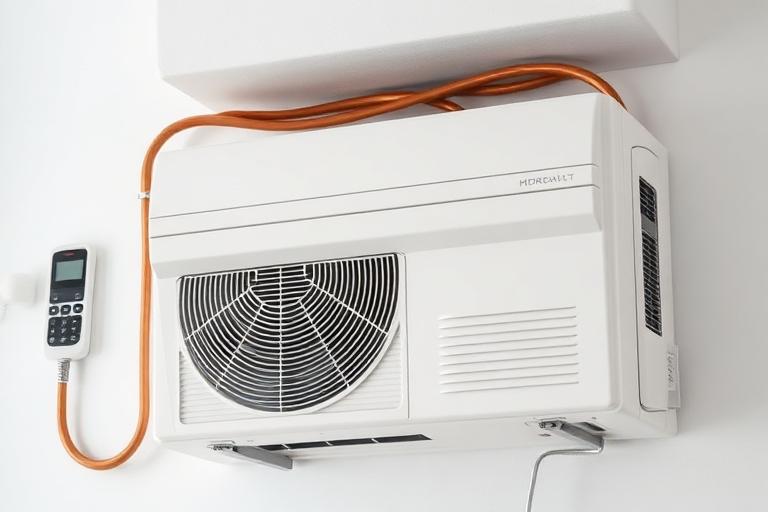
When air conditioning in El Clot stops cooling, the answer is not automatically a refrigerant top-up or a larger unit. Poor performance can involve airflow, filters, controls, drainage, outdoor equipment or the refrigeration circuit. This guide helps residents describe symptoms, distinguish servicing from repairs and request an assessment without unsupported promises. The neighbourhood cannot reveal the model, capacity or condition of an installation. If water reaches electrical components, there is an unusual smell or equipment overheats, stop interfering with it and seek a safe assessment. A site visit may be needed before the cause and scope can be established.
Technical assessment
Diagnosis should distinguish filter condition, airflow, temperature sensors, electrical supply, fan operation and condensate discharge. Outdoor equipment needs suitable ventilation and safe access. A competent professional will decide whether to measure pressures, temperatures and other parameters and how to test the refrigeration circuit. Do not attempt refrigerant top-ups or open connections: topping up without finding a possible leak can conceal the real problem. If replacement is proposed, compare the actual cooling requirements of the room and the distribution of air rather than the advertised capacity alone. Ask what the tests will establish before approving expensive parts.
When to request diagnosis
Before requesting assistance, note whether the indoor fan runs, whether the remote responds, any displayed error code and whether the fault occurs in cooling mode or ventilation too. Check only maintenance items that the manufacturer permits users to access, without opening electrical covers or refrigerant connections. A dirty filter can restrict airflow but does not prove a leak. Indoor dripping may involve condensate drainage, a blocked tray or operating conditions; it should not be assigned one cause without testing. If a room is particularly vulnerable to heat, prioritise appropriate safety measures rather than relying on an unverified immediate repair.
Equipment and requirements
Equipment selection depends on cooling load, location, noise, drainage, controls and component compatibility. An oversized unit may not solve humidity or distribution problems. Where an outdoor unit is proposed for a façade, courtyard or roof, check building agreements and applicable administrative conditions first; permission cannot be inferred from a neighbourhood address. Spain's Regulation on Thermal Installations in Buildings sets requirements concerning safety, efficiency and maintenance according to the work involved. Request an explanation of the relevant documentation and final commissioning checks. Do not assume that a unit suitable for one flat is suitable for another.
Quotation and checks
When comparing quotations, separate cleaning and servicing from fault diagnosis, component replacement, condensate changes or a complete new system. Ask for identified components and an explanation of operating tests. A photograph of a unit cannot confirm refrigerant condition or safe access to outdoor equipment. Additional work should be communicated and agreed before proceeding. The Catalan Consumer Agency provides guidance on quotations, variations and invoices for home services. This page does not verify prices, availability, energy savings or attendance times for a particular intervention. Keep the accepted scope, agreed changes and final service documentation.
For an air-conditioning enquiry in El Clot, provide make and model if known, symptoms, error codes, unit locations and access conditions. Say whether dripping or noise is present and when it started. Request a written diagnosis and scope with final checks rather than assuming that a top-up or replacement is the answer.
