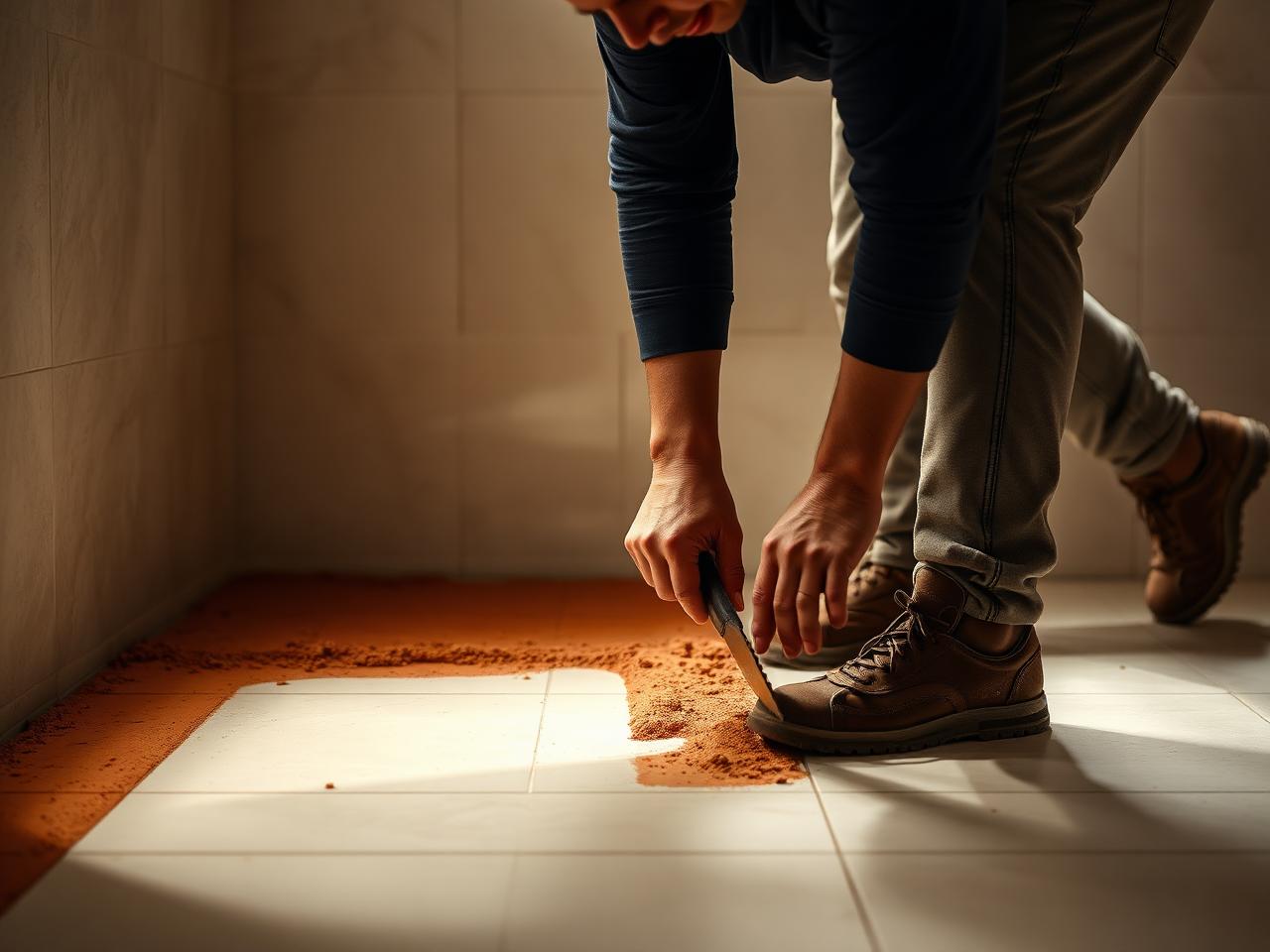
In El Clot, a crack, raised floor tile or loose wall finish is a symptom rather than a diagnosis. A hairline split in paint may need a different response from a crack that runs through masonry or returns after filling. Record when it appeared, whether it changes after rain and whether doors or windows have become difficult to close. Take wide and close photographs with a scale reference, but do not pull off unstable material. In a flat, establish whether the affected element belongs to the home or is shared by the building. That distinction matters for permissions, although responsibility should not be assigned without inspection.
Diagnosis and checks
Loose tiles can result from failed adhesion, movement in the backing or moisture entering through a joint. Removing them without precautions may enlarge the damaged area. A diagonal crack beside an opening, visible distortion or a door that suddenly binds warrants competent assessment before cosmetic work. Localised flaking on a sound substrate may instead call for cleaning, a compatible primer and a replacement finish. Ask what checks will be performed, which findings would change the scope and how those changes will be approved. A skim of filler should never be represented as a structural repair.
Safety and coordination
Repairs to a shared façade, floor structure or courtyard require coordination with the building's management. Neither a small crack nor a large-looking mark proves its own cause; progression and substrate condition matter. Keep people away from loose material that could fall and obtain competent advice rather than attempting an improvised ladder repair. Where moisture is still active, covering it with a waterproof coating can conceal rather than solve the source. Spain's Technical Building Code provides useful safety and hygiene frameworks, but only an on-site inspection can establish the correct intervention.
Materials and systems
Repair mortar, cement-based tile adhesive, gypsum and decorative cladding are not interchangeable. The right system depends on substrate, moisture, loads and exposure. In a bathroom, waterproofing behind the finish can matter more than the tile pattern. In a kitchen, a cracked tile close to pipework should prompt questions about leaks or movement before replacement. Ask how the existing material will be identified and whether movement joints and junctions with doors or windows need attention. Work affecting load-bearing elements or shared services may need professional design and permissions rather than a simple decorative choice.
Scope and quotation
A useful masonry quote for El Clot separates room protection, controlled removal, substrate preparation, materials, labour, finishing and rubble disposal. If flooring is lifted, ask how the affected area is measured, how the base will be checked and whether skirting and transitions are included. Matching old tiles may be impossible; the proposed treatment of differences in colour or size should be explicit. Where the cause remains uncertain, distinguish investigative work from the final repair. Agree in writing how unexpected findings, additional costs and changes to the specification will be handled.
When requesting a quotation, provide overall and detail photographs, approximate measurements, the room involved, the known age of the finish and any signs of damp or movement. Mention whether access, a lift or waste removal will need coordination with neighbours; do not assume every building in El Clot has the same layout. Compare the diagnostic plan, materials, testing and final finish rather than the headline price alone. Keep written records of the agreed scope and variations. This page helps structure a masonry enquiry; it does not guarantee a provider or replace a safety assessment.
