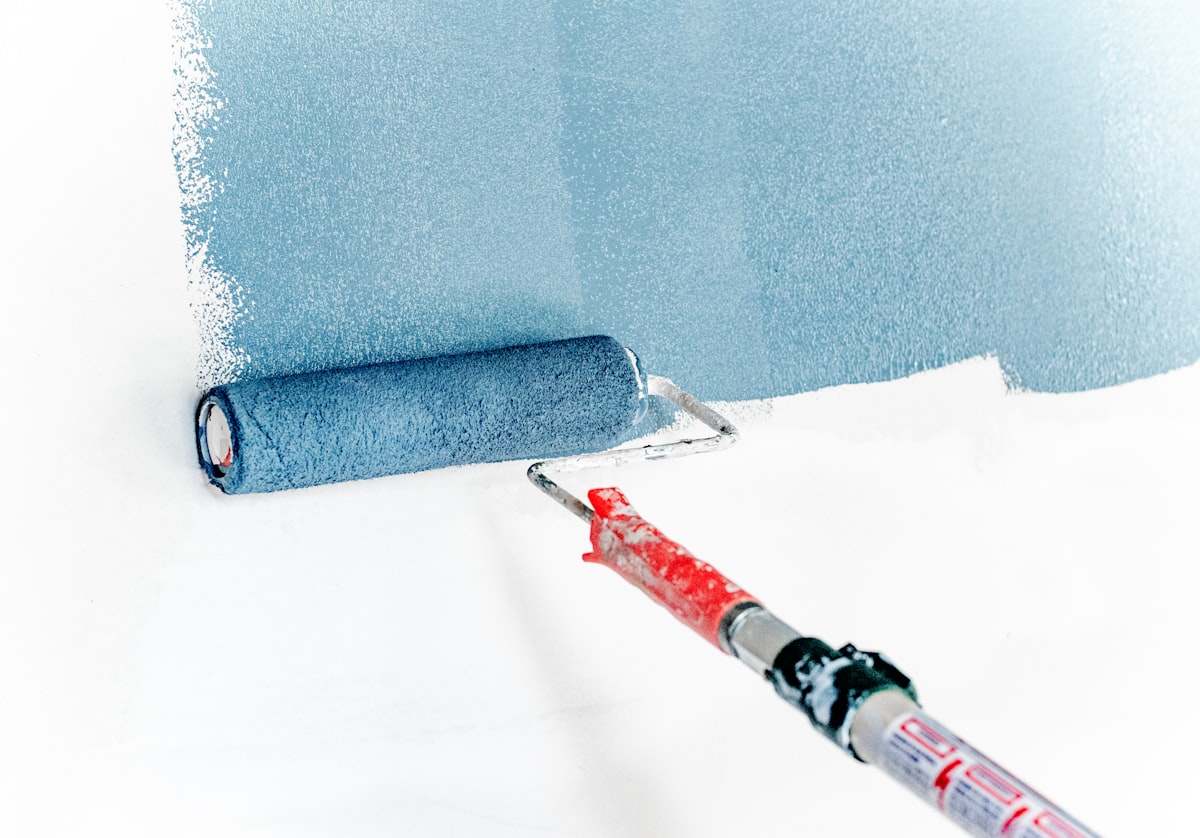
Before requesting interior painting in La Maternitat i Sant Ramon, identify the surfaces and what the finish needs to achieve. A damp-stained wall, a ceiling with flaking paint and a room that simply needs a new colour require different preparation. Explain whether the home is occupied, which furniture needs protection and whether marks keep returning. Send full-wall photographs and close-ups of cracks or peeling without assuming that every stain comes from a leaking pipe. The neighbourhood locates the enquiry but does not reveal the condition of a particular wall. A useful quotation separates substrate assessment, preliminary repairs, primer and finishing coats. That makes it possible to compare actual work rather than headline prices.
Prepare surfaces and sequence occupied rooms
Check whether old paint adheres, whether cracks are active and whether there is dust, grease or recently repaired plaster. Agree what will be protected and who will move furniture. A superficial hairline crack is not the same as a crack that continues to widen; the latter may need separate assessment. After cleaning and filling, the primer must suit both the substrate and finishing paint. Plan work room by room to maintain safe access and avoid freshly painted areas. Drying and ventilation times should follow product guidance and actual conditions, not a universal promise that the room can be used immediately. Ask how edges, sockets and adjoining surfaces will be protected and finished.
Investigate damp or mould before covering it
Painting over active dampness can conceal a mark briefly without stopping the moisture. Record whether it appears after rainfall, in a cold corner, beside pipework or behind furniture. Condensation, external penetration and a supply leak require different remedies. If mould is extensive or occupants are particularly sensitive, avoid unassessed sanding that may spread dust and spores. Spain's Building Technical Code DB HS covers protection against moisture but cannot diagnose a specific wall from its address. Once the cause has been corrected and the substrate is suitable, cleaning, repairs and a coating system can be selected. Do not accept a permanent-solution claim without evidence of the moisture source. Photographs taken over time help explain the pattern.
Choose compatible coatings and plan ventilation
A washable wall finish, ceiling paint and a coating for a moisture-prone area may have different requirements. Ask for the technical data sheet, preparation, coverage, proposed number of coats and compatibility with existing layers. Spain's INSST discusses emissions from building and decorating materials that can affect indoor air quality; ventilation and sensitive occupants deserve attention. A marketing label is not a substitute for safety instructions. For a strong colour, approve a sample under the room's actual light before committing. Timber, radiators and metalwork should be listed as separate substrates with their own preparation and coatings. The right system matters more than the colour name alone, particularly where surfaces have been repaired.
Compare measured scope and inspect the finished work
Request an estimate by room or measured area, listing preparation, filling, primer, coats, product range, furniture protection, cleaning and waste removal. Clarify whether ceilings, doors, frames, skirting boards and damp repairs are included. A square-metre figure without a defined scope may exclude the most important work. The Catalan Consumer Agency recommends written quotations and prior acceptance of extra charges. At handover, inspect in daylight and artificial light, check edges around fittings and woodwork, and look for splashes on floors. Keep product references and, where possible, a labelled small amount for touch-ups. If a stain returns, records can help distinguish a coating problem from a new or unresolved moisture issue.
Share the rooms, approximate areas, surface condition and photographs to request an itemised painting quotation.
