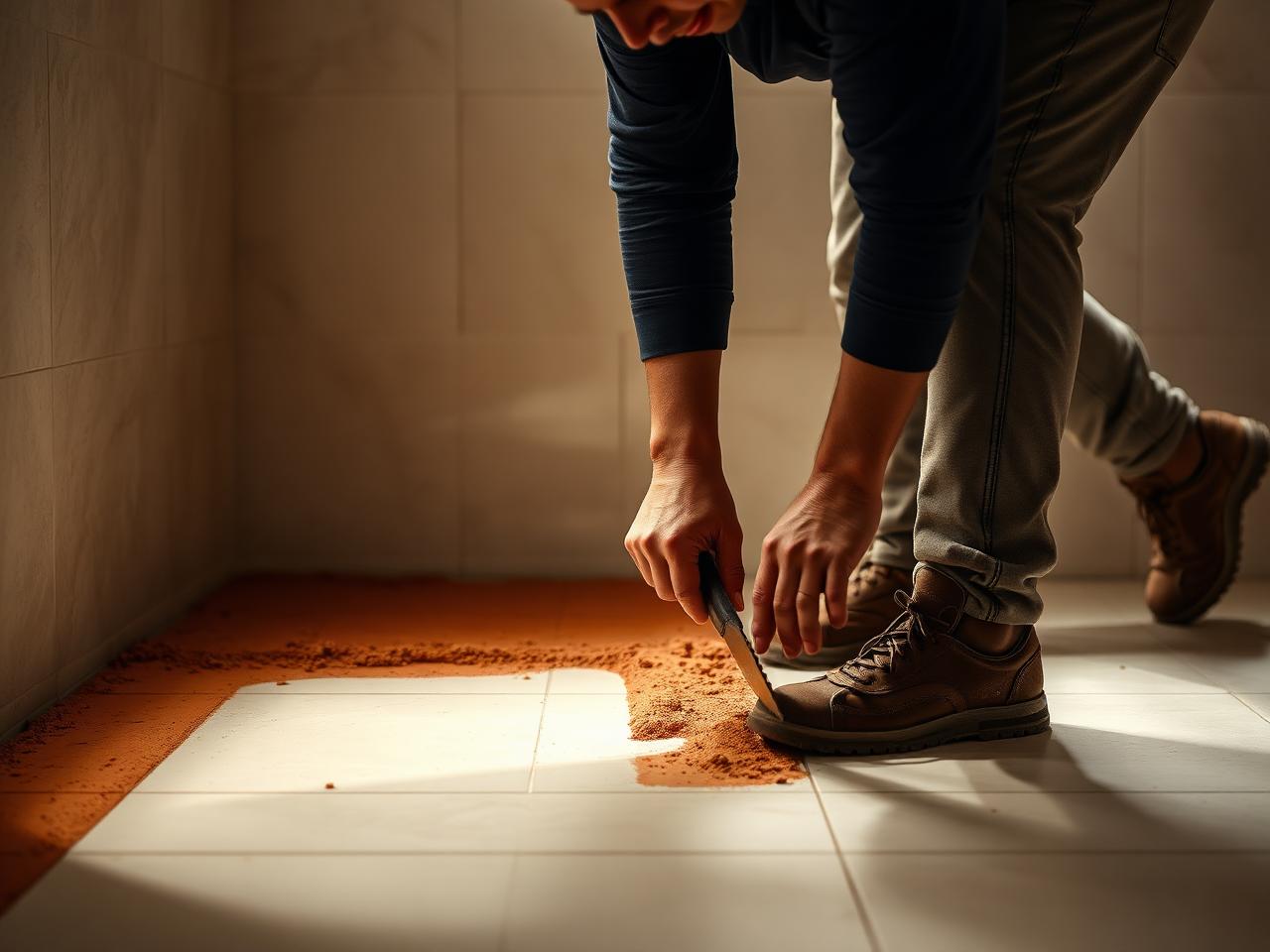
Loose bathroom tiles, crumbling grout and water that pools beside a shower are different problems. Replacing a tile without finding the cause can leave a leak or uneven floor unresolved. La Maternitat i Sant Ramon is an official neighbourhood in Barcelona's Les Corts district, but the address alone tells nobody how a particular bathroom was built. A hollow-sounding tile may have lost its bond; a raised threshold may reflect an unsuitable floor build-up; damp staining on an adjoining wall calls for investigation before decorating over it. When requesting a masonry quotation, describe the affected area, shower type, when the fault appeared and whether another room or flat is affected. Photographs of joints and changes in floor level help, provided they contain no private information. Do not lift tiles or interfere with concealed pipes without a suitable assessment. The useful first question is what has failed, not which replacement finish looks best.
Finding the cause of movement, ponding and damp
A single cracked tile following an impact may need a local repair, whereas several loose tiles can point to weak adhesion, moisture or movement in the underlying layer. Where water stands after showering, the gradient towards the waste and the junction around the drain need checking. A stained ceiling below does not automatically prove that the grout is leaking: pipework, penetrations, waterproofing or another source may be involved. A competent assessment might recommend limited opening-up, appropriate testing and coordination with another trade where necessary. Before new tiles are fixed, the substrate should be checked for stability, retained moisture and the extent of damaged material. A spreading crack, a floor that yields underfoot or loose material overhead warrants a safety assessment rather than cosmetic patching. Record when the symptom appears, whether it follows shower use and how the affected area has changed. That evidence helps distinguish a targeted repair from a wider refurbishment and makes competing quotations easier to compare. No one can reliably diagnose the fault from a neighbourhood name or a photograph alone.
When to stop using the room and seek permission
Stop using an affected area if the floor gives way, loose pieces create a fall risk or water reaches electrical equipment. With an active leak, isolate the water only if this can be done safely and alert the responsible parties. Tenants should notify their landlord before commissioning building work. Where staining affects a neighbouring flat, record dates and communicate with the building manager or insurer as appropriate; the source of the leak should be established before responsibility is assigned. Alterations involving shared elements, layout or accessibility may require permissions and coordination, depending on the actual work. Check the applicable local process rather than assuming every small repair follows the same rules. Barcelona City Council's directory confirms the neighbourhood's location in Les Corts; it is not evidence that any job has been completed there. Explain whether the objective is to replace a broken tile, correct a shower fall or reduce a threshold. Each request leads to different technical checks and a different quotation.
Choosing tiles, adhesive and waterproof detailing
The finish is not just a colour choice. Consider documented slip performance for the intended use, tile absorption, format and the compatibility of adhesive with the existing base. A hard tile on an unstable substrate may crack again even when the tile itself is sound. In a shower, corners, wall-to-floor junctions, pipe penetrations and the drain perimeter need particular attention. A bead of sealant applied over failed joints may hide a symptom without repairing the waterproof layer below. If only part of the floor is lifted, agree how adjacent tiles will be protected and how any difference in thickness will be finished. Access panels and transitions to the corridor should remain usable. Spain's official CTE DB-SUA sets out principles for safe use, accessibility and slip resistance; DB-HS addresses health and moisture protection. Their exact application depends on the proposed works and professional judgement. Neither source certifies a particular product or contractor. Ask for material specifications and the method of checking the completed installation.
What an itemised masonry quotation should include
A useful estimate separates investigation, protecting the room, lifting and disposing of tiles, preparing and drying the base, waterproofing where required, tile supply, adhesive, grouting, sealing and final cleaning. It should say whether the homeowner or contractor supplies matching tiles and what happens if the original range is unavailable. A partial repair may require an agreed visual boundary rather than a promise of an invisible match. Testing for leaks, access to concealed services and other trades should be identified when relevant. There is no verified fixed neighbourhood rate for bathroom masonry in La Maternitat i Sant Ramon: actual area, hidden damage, access and curing time affect the scope. Ask when the shower can safely return to use, not just how long the worker expects to be on site. If opening the floor reveals extra damage, request photographs, an explanation and a revised price before authorising additional work. Keep measurements, invoices and product information. A lower headline figure is not comparable if it excludes waste disposal or waterproofing.
For a bathroom floor or shower repair enquiry in La Maternitat i Sant Ramon, send approximate dimensions, symptoms and photographs without personal details. Request a diagnosis-led, itemised quotation rather than accepting an unsupported fixed price.
