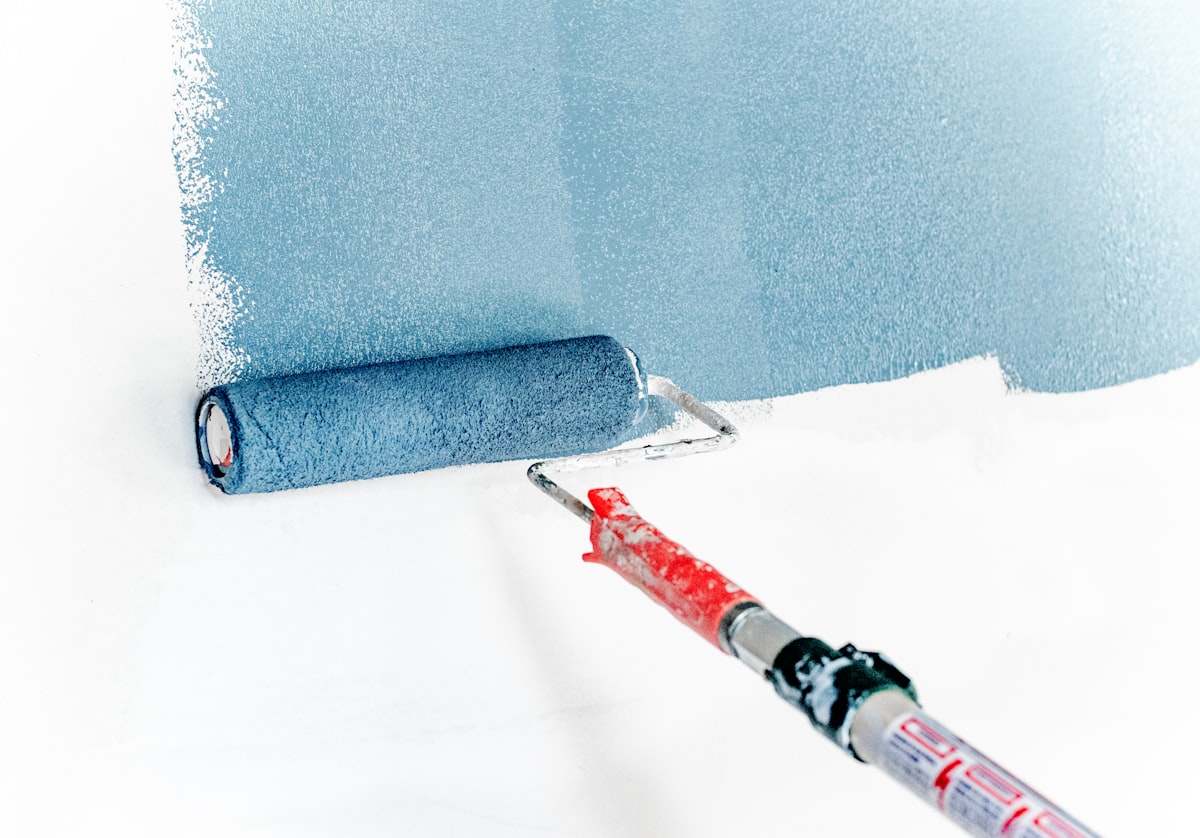
Before booking painting in El Gòtic, decide whether the job is to refresh a room, repair flaking surfaces, match an older colour or address staining. These are not interchangeable tasks: the outcome depends as much on substrate preparation as on the chosen paint. Photograph walls and ceilings in daylight, estimate areas and record cracks, damp, grease, peeling coatings and previous repairs. An address cannot reveal the existing layers or whether a wall is dry. If a stain returns after rainfall or bathroom use, investigate its cause before covering it. A useful brief allows a contractor to define the work and its checks without making a remote promise.
Preparation and application
Start by protecting furniture, flooring, switches and features that will not be painted. Check the adhesion of existing coatings, remove contaminants and repair defects using compatible materials. Uneven porosity or a substantial colour change may require a specific primer; one universal product cannot be assumed suitable for every substrate. Agree preparation, intended coats and included areas, following manufacturer application and recoating guidance. Check colour using physical samples in the room's actual light. A digital image cannot guarantee an exact match. Drying and texture of repaired patches also affect the finished appearance, so preparation quality should be inspected before the final coat.
When to investigate the substrate
Flaking paint can indicate poor adhesion, dust, incompatible layers or moisture. A fine stable crack requires a different assessment from one that grows or reappears after filling; filler alone is not a diagnosis. Where mould is present, avoid dry scraping or spreading it with mixed chemicals. Active water ingress must not simply be concealed under a new coating. High ceilings and difficult access require stable equipment and fall-risk planning. Identify decorative mouldings, joinery and finishes to preserve before sanding or washing begins. The safe method depends on the actual condition of the surface, not assumptions about the neighbourhood.
Products and risks
Water-based wall paints, enamels and specialist coatings have different purposes and limitations. Selecting only by sheen or a marketing label can produce an unsuitable finish for the substrate or cleaning requirements. Technical product information should explain preparation, indicative coverage, ventilation and application conditions. With condensation or persistent damp, assess ventilation, leaks or other causes first; an anti-mould label does not remove the source. Protect skin and eyes where instructed and avoid working in poorly ventilated rooms. Unknown older coatings should not be aggressively sanded without considering dust exposure and compatibility. No product can be certified as suitable without assessing the surface.
Quotation and inspection
Request a written quotation by room or surface, separating protection, cleaning, crack repair, primer, number of coats, specified paint, edging and final clean-up. Clarify whether ceilings, doors, skirting boards and small repairs are included. Keep the colour and finish reference and agree how additional preparation discovered during the job will be priced and authorised. The Catalan Consumer Agency explains accepted quotations, variations and invoices for home services. Drying times depend on product instructions and conditions, so a universal completion promise is inappropriate. No local rate, appointment or previous work has been verified for this neighbourhood.
For a painting enquiry in El Gòtic, state the rooms involved, their use, the surface condition and whether any staining is still changing. Provide safe overview and close-up photographs, and mention furniture or features needing special protection. Ask for preparation, products, finish, exclusions and final checks in writing. At handover, inspect coverage, edges, splashes, cleaning and retained paint references for future touch-ups. A responsible finish begins with a sound substrate rather than a promise of perfect colour matching.
