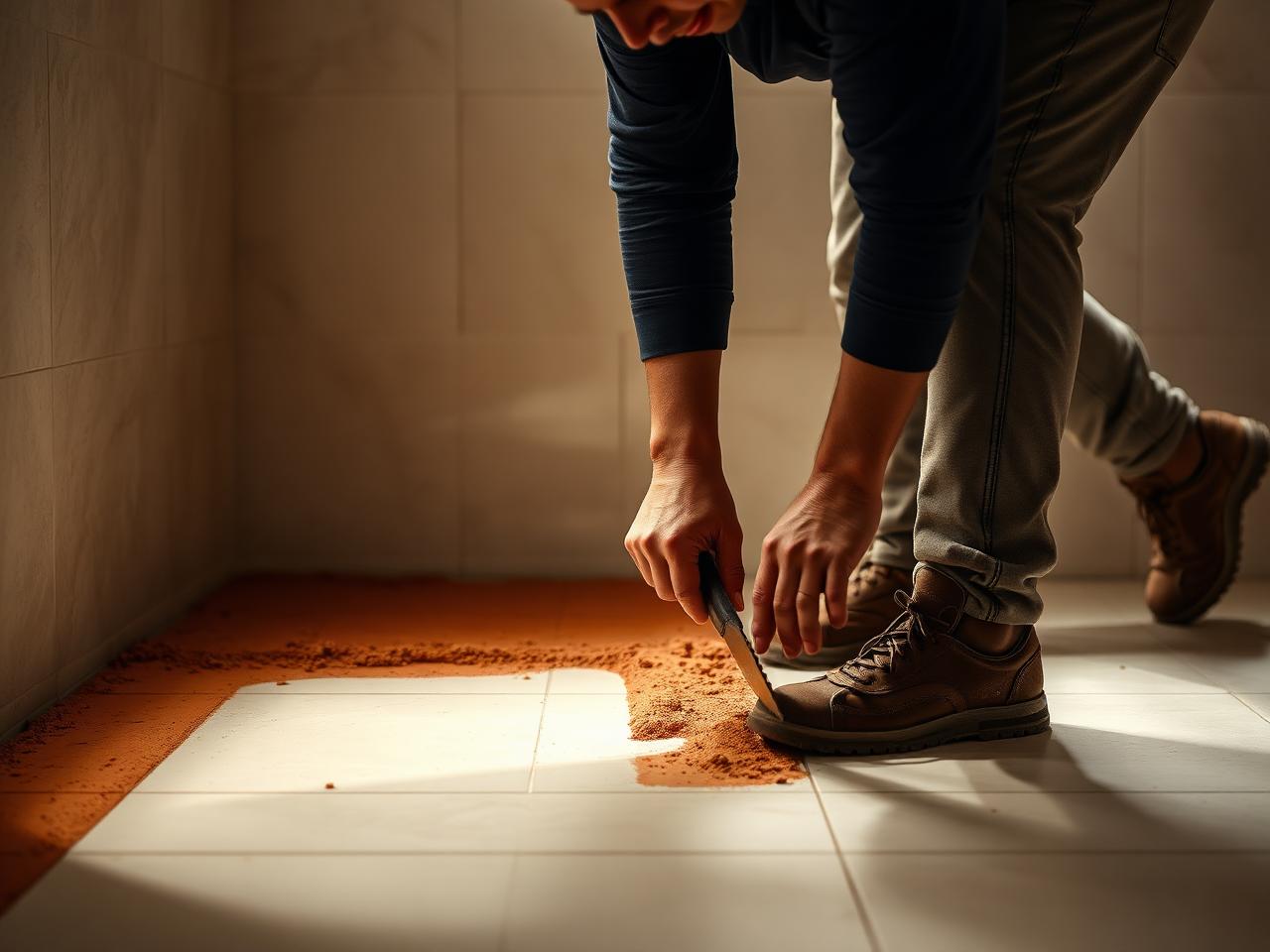
In El Gòtic, a loose tile, a crack in plaster or a bulging patch of render may look like a straightforward masonry repair. The visible finish, however, may not be the underlying problem. Before filling a crack, it is important to distinguish movement, damp, loss of adhesion and impact damage. A neighbourhood address cannot establish the construction of a particular flat. This guide helps residents describe defects and request a useful assessment rather than a cosmetic patch that conceals the cause. Where shared walls, façades or structural elements may be involved, appropriate permissions and safety assessment should come before any alteration.
Observe the defect without making it worse
Note whether the crack follows a joint, crosses several tiles or has returned after earlier repairs. Record when it was first noticed and whether there has been water ingress or nearby work, without assuming that either explains the defect. Take photographs with a scale reference from a safe position. Do not pull away loose sections or strike the surface to test whether it sounds hollow. A detached tile may reflect a local bonding failure, movement in the substrate or damp; gluing it back onto an unsound base may repeat the problem. Keep people away from pieces that could fall. Significant deformation, spreading cracks or extensive detachment call for a safety assessment before anyone discusses repainting or filling.
Dust management, safety and handover
Before work starts, agree how floors, doors, concealed services and access routes will be protected. Where a staircase or entrance is shared, plan dust control, waste removal and reasonable coordination with other users. Ask when the repaired surface may safely be used, painted or cleaned after curing. Never remove temporary supports or disturb something that may have a structural role. At handover, inspect flatness, joints, transitions to existing finishes and any remaining loose material. A visual check is not a structural test. If damp caused the damage, confirm that its source was addressed before the wall was closed. Request a written account of unresolved limitations and retain photographs, material details and the final invoice.
Substrates, mortar and compatible repairs
The substrate, existing layers, joints and possible moisture source should be understood before choosing mortar, plaster, adhesive or waterproofing. A rigid patch over a moving joint may crack again. An impermeable layer on a wall with unresolved moisture movement can shift the damage elsewhere rather than solve it. A replacement tile must be compatible in thickness and performance, not merely colour. Hidden wiring and pipes should be located before drilling. If a protected feature or shared part of a building is involved, check what authorisation and technical method are required. Spain's Technical Building Code sets requirements within its scope, but does not replace a site-specific inspection or automatically determine which repair is appropriate.
Measurements, staged inspection and quotations
Ask for an itemised written quotation covering the measured area, preparation of the base, removal of unsound material, protection of belongings, waste removal, jointing and final finish. A picture of a crack cannot show hidden layers or support a reliable fixed price. If opening a small trial area is necessary, agree its cost and scope as a separate stage before committing to the wider repair. Clarify who will coordinate any building permissions and access to shared areas. If additional damage becomes visible, require an explanation and approve the revised scope before work continues. Retain references for the chosen materials, the accepted quotation and the invoice. These records help distinguish the actual repair from a superficial improvement in appearance.
For masonry work in El Gòtic, explain the visible defect, affected area and any shared building elements. Request diagnosis and a staged written quotation; no local jobs, rates or arrival times are asserted.
