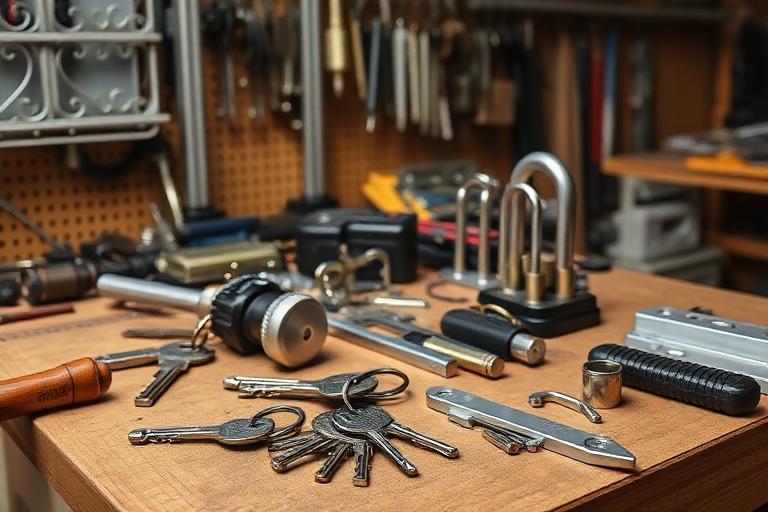
When a door in El Fort Pienc will not open, a key turns without engaging the lock or the mechanism becomes stiff, the cylinder brand alone does not explain the fault. The cause may involve the key, cylinder, lock case, latch, protective escutcheon or alignment between door and frame. This guide separates safe observations from attempts that could make the damage worse. It also explains how to request authorised locksmith work and what to expect in a written quotation. No attendance time, fixed rate or previous local job is implied by the neighbourhood address.
Key failure or door alignment?
Record whether the key inserts fully, whether it turns, whether the door rubs and whether the problem occurs only when the door is shut. Do not force a bending key or insert improvised tools into the cylinder; a broken key can complicate the repair. If the lock works while the door is open but not when shut, strike-plate and frame alignment may be relevant. Note whether the latch behaves differently with the handle and security lock. A photograph of the door edge and ironmongery may help, but avoid sharing key codes or images that could facilitate copying a key. If somebody is at risk or an exit is blocked, contact the competent emergency services rather than attempting a hazardous intervention.
Shared access and checks after repair
If the entrance opens onto a shared staircase, explain whether access must be protected and whether building rules apply. Do not obstruct an exit or alter a device that may form part of an escape route. Where keys have been lost, distinguish one misplaced indoors from a key that might be associated with the address; the risk of unauthorised entry may affect whether cylinder replacement is sensible. Afterwards, check that the key does not stick, the door closes without slamming and the latch engages correctly. Ask how many copies were supplied and who retains them. Record any remaining frame friction: a new cylinder cannot necessarily correct a misaligned door. Keep the written work description for future reference.
Cylinder compatibility and key control
Replacing a cylinder is not equivalent to replacing the whole locking system. The door type, cylinder dimensions, profile, cam and compatibility with the escutcheon and keep must be checked. A component advertised as secure does not by itself establish the security of the entire door. For shared entrances or master-key systems, confirm who can authorise alterations and how duplicate keys will be controlled. A similar-looking part may still be incompatible with communal access. Ask whether a non-destructive opening is feasible and under which conditions drilling or replacement might be necessary. No method can be guaranteed before inspection. After the work, check opening from the relevant sides and that the door locks without excessive force.
Authorisation and an itemised locksmith quote
Before opening a door, the person requesting access should be able to establish their right to enter. This protects occupants and third parties. Request a written breakdown of attendance, investigation, opening method, parts, labour and any applicable supplements. The Catalan Consumer Agency provides specific advice on hiring a locksmith and on written quotations and changes to the agreed price. If drilling is proposed, ask why a less destructive approach is not considered appropriate and what would then need replacing. Keep the invoice and details of the fitted parts. A front-on photograph or neighbourhood name cannot establish a reliable total price. Agree additional work before it starts rather than accepting unexplained charges afterwards.
For a locksmith enquiry in El Fort Pienc, describe the hardware, symptom and your authority to access the property. Request a written scope and cost before approving opening or replacement.
