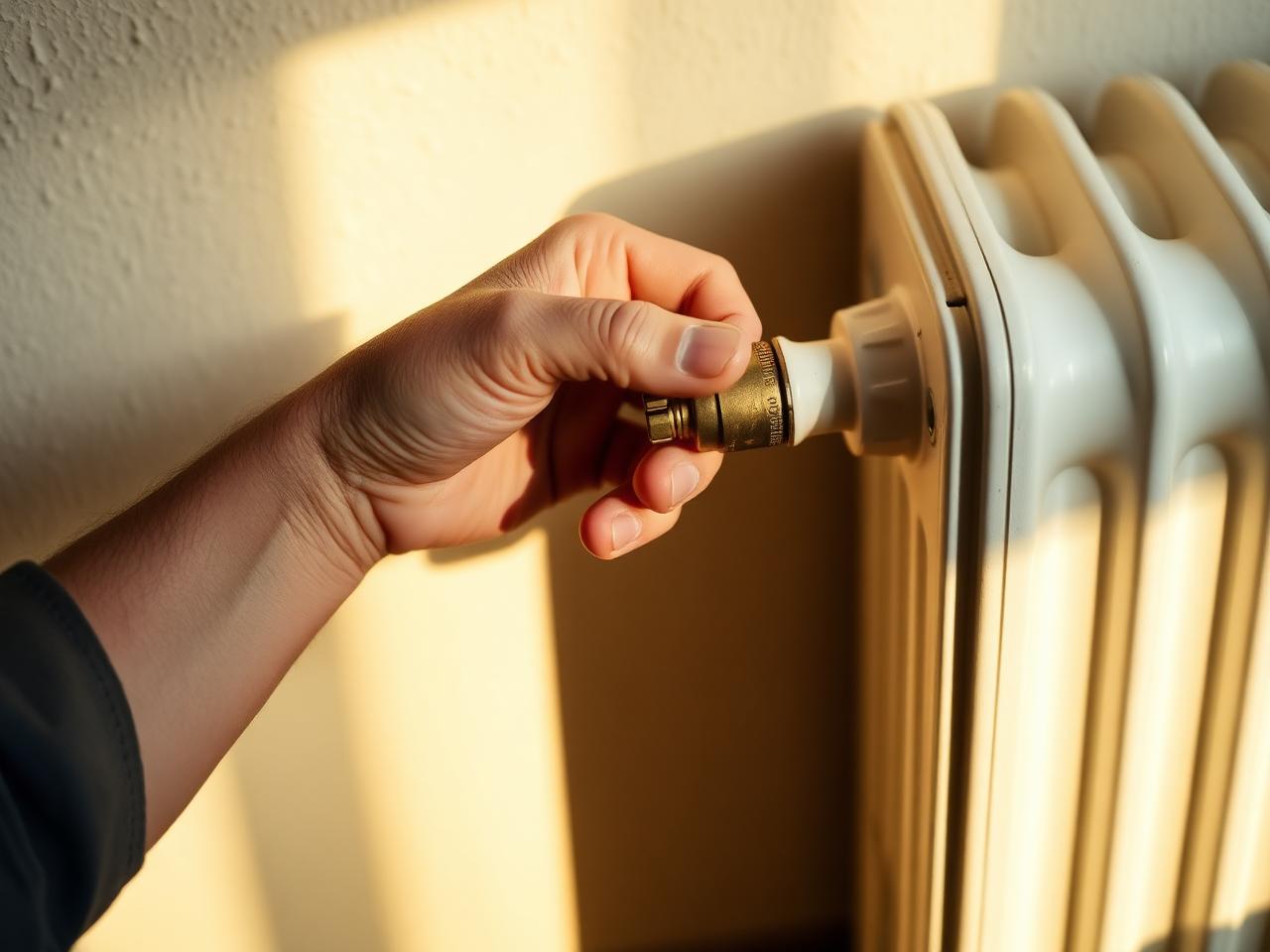
When the living room in a Les Tres Torres home reaches the set temperature while a bedroom remains cold, turning up the thermostat does not identify the fault. Sensor position, radiator balancing, water circulation, insulation and heating schedules can all produce that pattern. A useful heating enquiry separates control problems from faults in heat generation, distribution and room emitters. Les Tres Torres identifies the neighbourhood for the enquiry; it does not establish which boiler, heat pump, pipework or building arrangement the property actually has.
Diagnosing uneven room temperatures before replacing equipment
Start by recording which rooms warm up, which remain cold and whether the difference appears at particular times. Note the thermostat setting, its location, nearby heat sources and direct sunlight. A sensor in a room that warms quickly may end the heating demand before more distant rooms are comfortable. That does not automatically mean the sensor has failed. The timer programme, thermostatic radiator valves and the number of heating circuits also matter. Next distinguish a radiator receiving little hot water from one that receives heat but cannot warm the room adequately. A room may also lose heat through glazing or gaps more quickly than its neighbours. Air in the circuit can cause noises and cold sections, yet a uniformly lukewarm radiator may instead point to insufficient flow or low supply temperature. The IDAE technical guide discusses lockshield settings and hydraulic balancing. Opening every valve fully is not a substitute for measuring and understanding the circulation pattern. A sensible inspection records the pressure display and visible fault codes without encouraging the resident to open gas, combustion or electrical compartments. If there is a gas smell, substantial water escape, electrical tripping or a safety alarm, stop domestic troubleshooting and follow the appropriate emergency procedure. Never bypass a thermostat, defeat a safety device or interfere with combustion components to obtain temporary heat. Compare the room temperature with the controller reading, check whether curtains or furniture obstruct radiators, and note what happens during a complete heating cycle. IDAE advises keeping emitters unobstructed and using temperature controls. These are general efficiency measures, not proof that any particular installation is correctly sized. Underfloor heating, heat pumps and communal heating require different checks and different permissions. The actual system must be identified before recommending parts or control changes. A proposed smart thermostat also needs compatibility checks: control voltage, wiring, boiler or heat-pump interface and the existing zoning strategy. A fashionable screen does not repair a blocked exchanger, leaking pipe, undersized emitter or poorly balanced circuit. Where there are several possible causes, a staged diagnosis is more useful than replacing components by guesswork.
When repair makes sense and when replacement should be considered
Request an assessment when temperature differences persist despite reasonable settings, when the generator stops unexpectedly, when system pressure repeatedly falls or when new noises, dampness or dripping appear. Erratic thermostat readings may call for checks of power supply and position before replacement. A sticking valve might be repairable or need a compatible replacement; a corroded radiator that leaks may need changing. The decision should follow the condition and safety of the component rather than a superficial impression. For communal systems, establish which parts are within the dwelling and which belong to the building's shared installation. Do not alter shared pipework or controls without permission. Record the time pattern of the problem: it may help distinguish a schedule issue from a circulation fault.
Choosing compatible controls, valves and radiators
Identify the generator make and model, thermostat type, valve connections, radiator dimensions and available control information. A thermostatic head does not fit every valve body. Radiator output, pressure rating, connections and physical dimensions matter more than the appearance of a brand. Spain's RITE framework sets safety and efficiency requirements for thermal installations, and work requiring an authorised professional must be handled accordingly. Clear photographs of identification labels and accessible controls can prevent ordering unsuitable parts. Do not remove covers simply to obtain a model number.
What an itemised heating quotation should contain
Ask for separate descriptions of initial diagnosis, checks of controls and circulation, balancing if justified, venting if appropriate, replacement parts, travel and final testing. Clarify whether the visit includes a defined repair or only fault finding. The quotation should explain how additional faults would be authorised and who can approve work on communal equipment. Neither the neighbourhood nor the radiator count alone provides a reliable price. Compare written scope, applicable warranties, access conditions and exclusions. A recommendation to replace an entire boiler because one room is cold deserves a specific technical explanation.
