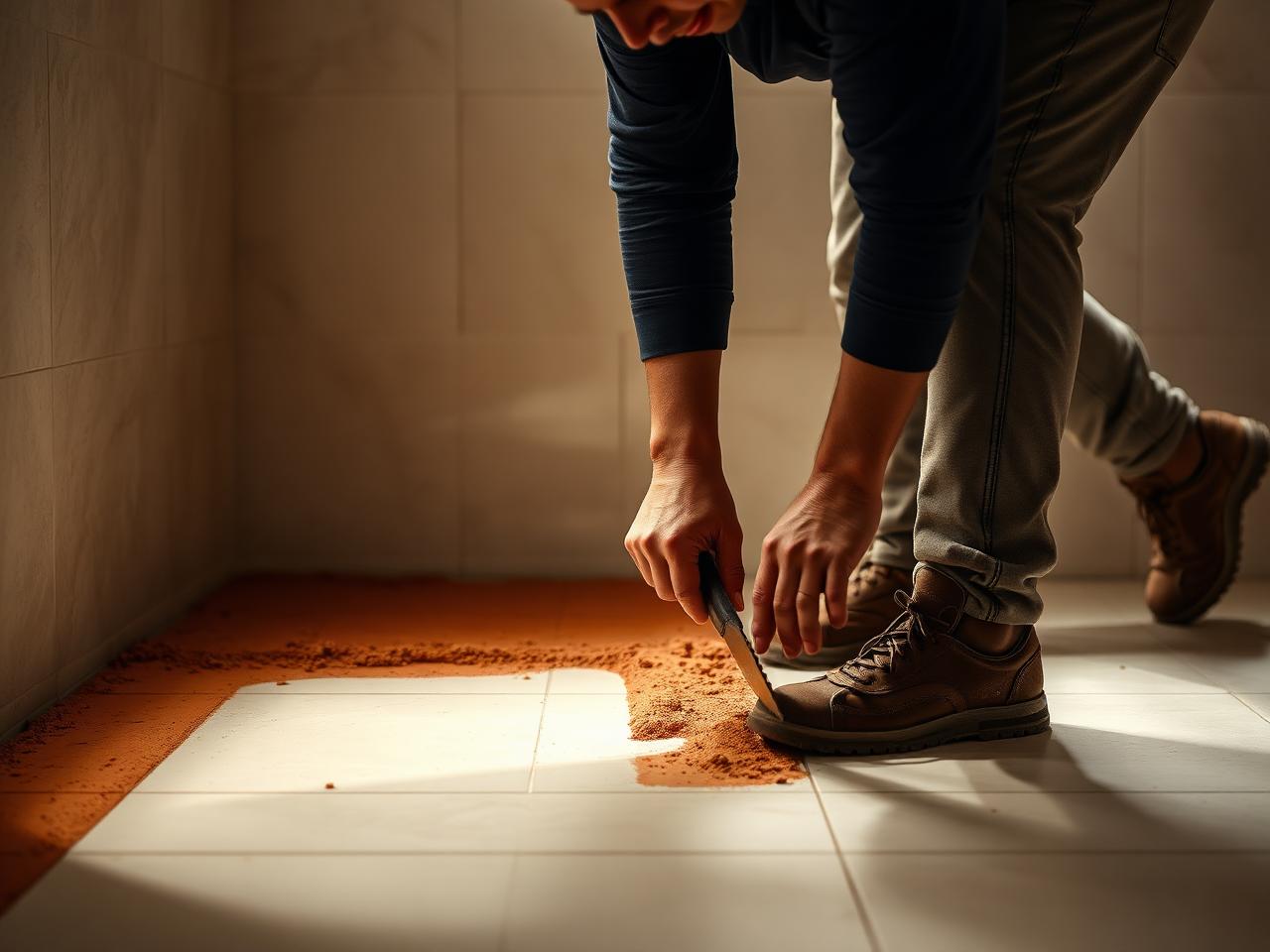
Loose mortar at a balcony edge should not simply be covered without checking what remains underneath. For masonry work in Les Tres Torres, describe any unstable pieces, cracks, damp patches, uneven surfaces or risk of falling fragments. The appropriate response may be local removal and rebuilding, or a wider technical assessment if movement is suspected. Les Tres Torres is officially part of Sarrià-Sant Gervasi, but that geographical fact cannot establish the condition of any building or the repair it needs.
Separate surface failure from movement or loss of adhesion
First identify the affected area and whether fragments could fall or create an unsafe route. Surface spalling might follow an impact or a poorly bonded earlier repair, whereas a crack crossing different materials or changing over time needs closer investigation. Do not knock off material from an elevated position without suitable access and protection. At an external edge, examine the substrate, depth of deterioration, waterproofing junctions and evidence of moisture. Exposed reinforcement or corrosion calls for more than a decorative mortar coat. Hollow-sounding tiles may indicate lost adhesion; inspect the surrounding area and substrate before replacing one piece. On a step or threshold, the finished shape and surface must preserve safe movement. Spain's Technical Building Code provides guidance on safety in use, but does not diagnose an individual balcony. A useful masonry assessment starts with the cause and only then selects an appropriate repair material and method. That distinction also applies to damaged plaster, joints and floor finishes.
Warning signs that require protection before repairs
If pieces are falling towards a courtyard or public route, keep people clear and obtain appropriate measures to secure the area. A moving railing, widening crack or visible deformation should not be concealed with a mortar patch. Avoid using or loading an affected part until it has been properly assessed. Damp staining, salts or blistering paint can indicate water ingress; covering the surface without correcting the source is unlikely to last. On a terrace, the water path may involve paving, joints or junctions, and the visible stain is not necessarily where water enters. Work affecting a façade, structure, communal element or height access may need permissions and specialist protection. Even a modest plaster or tile repair should describe the existing substrate and how it is used. The neighbourhood name cannot establish either the defect or who is responsible for a shared component. Record changes in the crack or damage rather than attempting unsafe tests.
Choose mortars, adhesives and finishes for the actual substrate
Repair mortar should suit the base material, application thickness, water exposure, bond requirements and curing conditions. A very rigid product applied to a moving substrate may crack again. For tiles, check size, absorption, adhesive, joints and the availability of matching replacements. A repaired step edge must not create a trip or slip hazard. External render requires sound preparation and junction details that do not direct water inside; a neat finish does not replace proper waterproofing. Corroded metal or a load-bearing element may require a specific technical assessment and a different intervention. For internal plaster, check active dampness and remove loose material back to a stable base before rebuilding. Avoid selecting a brand before the defect is understood. Ask for product information, the intended layers and a clear explanation of what will be retained or replaced. Compatible materials and adequate curing matter as much as the visible appearance.
Itemise access, making safe, removal and reconstruction
A clear quotation separates inspection and measurement, protection of people and surfaces, access equipment, removal of unstable material, waste, substrate preparation, mortar or adhesive, reconstruction, joints, waterproofing where relevant, finishing and final checks. For façade or height work, clarify who is responsible for permits and safety arrangements. For one loose tile, compare a local replacement with wider substrate repair; for an active crack, do not accept a cosmetic filling price without explaining the cause. Specify dimensions, thicknesses and materials where known. If more extensive damage becomes visible during removal, the Catalan Consumer Agency advises communicating new charges before the additional work takes place. Ask about exclusions, curing periods that restrict use and how stability will be checked. Price depends on access, materials and confirmed deterioration, not on an assumed rate for Les Tres Torres. A detailed scope also helps compare quotations fairly.
For masonry work in Les Tres Torres, send general and close-up photographs, approximate dimensions and whether the defect affects an edge, step, wall, render or paving. Keep clear of unstable material and do not remove pieces at height yourself. Request separate entries for making safe, removal, materials, rebuilding and finishing, together with an explanation of when structural or waterproofing assessment is necessary.
