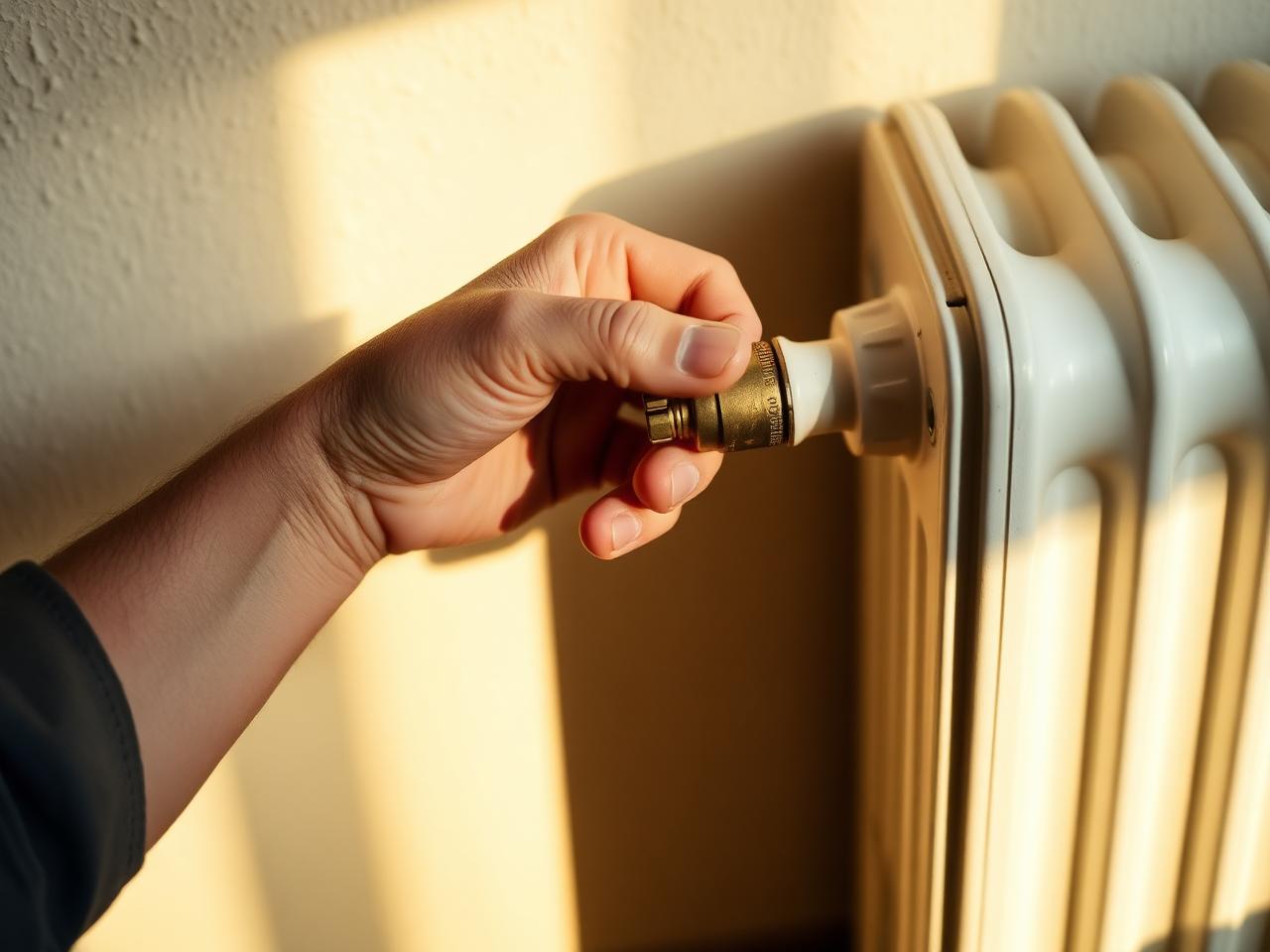
A radiator in La Clota that warms at the top but stays cold near the bottom should not automatically be replaced. Heating faults may involve trapped air, restricted flow, sludge, valves, controls or heat loss. A useful assessment separates these possibilities before recommending work and preparing a quotation. La Clota is an official neighbourhood in Horta-Guinardó, but that geographical fact says nothing about the condition of any particular building or heating system.
Trace the fault through the emitter, circulation and controls
Start by establishing whether one radiator is affected, several rooms are uncomfortable or the whole heating system is failing. Record when the fault appears, what the thermostat displays, whether the heat source starts and whether there are leaks, unusual sounds or persistent differences between rooms. A cold upper section can suggest trapped air, while a cold lower section can also be associated with deposits or poor circulation. Neither symptom is a diagnosis by itself. An appropriate inspection may examine the inlet valve, lockshield, indicated pressure, flow and return temperatures and the control arrangement, subject to the applicable safety rules. Bleeding a radiator without checking the manufacturer's instructions and system pressure can create further problems. Where the radiator receives heat but the room remains uncomfortable, assess thermostat position, obstructions and the heat demand rather than blaming the emitter alone. IDAE guidance explains how hydraulic balancing affects heat distribution. Shared installations, gas equipment and combustion components must only be handled with the required permissions and professional competence.
Safe observations and warning signs before booking work
Describe whether the problem began after a shutdown, building work or a programming change. Restrict your own checks to the user controls described in the equipment instructions. Do not dismantle hot connections, bypass safety devices or silence alarms to keep the system running. If you smell gas, follow the supplier's emergency instructions and avoid operating electrical switches. Active water leakage, repeated abnormal pressure readings or electrical warning signs call for stopping use as directed by the manufacturer and obtaining appropriate help. A single cold radiator may have a local cause; a repeated pattern across rooms calls for wider investigation. Separate plumbing work from electrical control work and any regulated intervention on the heat generator. It is important to establish whether the system is private or communal before agreeing to isolate or drain anything. No neighbourhood name can establish a fault or justify a particular replacement.
Choose compatible valves, thermostats and emitters
A sensible repair might involve adjusting a lockshield, replacing a faulty valve, correcting the control position or cleaning a circuit when inspection supports that choice. Identify thread sizes, pipe connections, operating pressure, permitted temperature and compatibility before ordering parts. A new thermostatic head will not correct an incorrectly balanced circuit on its own. Likewise, fitting a larger radiator without checking heat output at the actual flow temperature may not improve comfort. IDAE's technical guidance distinguishes generation, distribution, emitters and control, which helps avoid replacing the wrong component. Existing installations also require measurements of brackets, available space and pipe centres. Where corrosion, sludge or seepage is found, record its extent before deciding between cleaning, local repair and replacement. Ask for the specified components and the tests that will demonstrate the repair works.
Ask for an itemised heating repair quotation
A clear estimate should separate attendance and diagnosis, hydraulic checks, work on valves or emitters, replacement parts, any draining and refilling, waste handling and final functional testing. If more than one cause remains possible, distinguish the initial investigation from work that depends on its findings. Replacing an emitter requires measurements of brackets, connections, heat output and access; changing controls requires compatibility checks and commissioning. Do not accept wholesale replacement solely because a room warms slowly. The Catalan Consumer Agency advises obtaining written quotations and agreeing additional items before work proceeds. Confirm exclusions, responsibilities for shared building components and how the result will be demonstrated. An apparent low price may omit access arrangements, circuit work or tests. The neighbourhood itself does not determine cost or duration; the confirmed defect and agreed scope do.
For a heating assessment in La Clota, describe which radiators are affected, how the thermostat behaves, whether there are visible leaks and whether the system is individual or communal. Provide photographs of the radiator, connections and equipment model without touching hazardous components. Request separate descriptions of diagnosis, repair, materials and final checks. The enquiry can also cover control problems, emitter replacement and uneven heat distribution once the actual scope is established.
