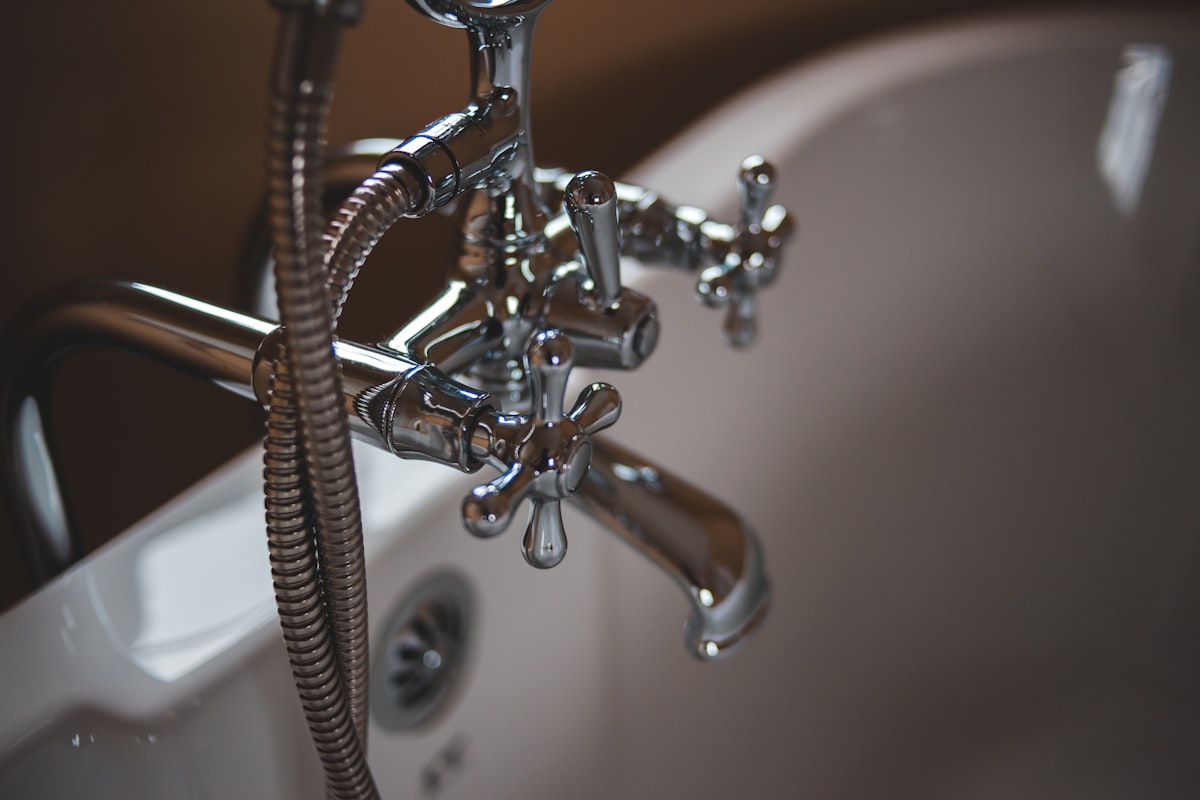
A toilet cistern that keeps running in La Clota may have a discharge-seal problem, a faulty inlet valve or a leak at an external connection. These are different repair requests. A tank that refills without anyone flushing suggests water may be escaping into the bowl. Water on the floor calls for checking accessible joints and excluding splashes or condensation before assuming a broken waste pipe. When requesting plumbing in La Clota, say whether the problem is constant, follows a flush or occurs while other fixtures are used. Note whether the toilet's isolation valve is accessible, but do not force it. Take clear photographs without dismantling pressurised connections. The neighbourhood identifies the location of the enquiry; it cannot establish the condition or age of any particular property's plumbing.
Distinguish a running cistern from an external leak
A thin stream into the bowl may indicate that the flush seal is not closing or the water level is too high. Repeated filling sounds can point to slow loss of water or an inlet mechanism that fails to shut off. Drops on the flexible supply hose or the small isolation valve require a different inspection from the flush mechanism. A damp patch at the base is not proof of a failed waste connection: cleaning water and condensation can produce similar signs. Record when the sound starts and whether the water stops after the supply is safely isolated. Do not overtighten unfamiliar nuts or remove a hose under pressure. A professional check should observe filling, several flushes and accessible joints after any replacement, rather than assuming that the first visible component is the cause.
Information that makes a repair enquiry useful
State whether the cistern is exposed or concealed, whether the flush button is single or dual, and whether a service access panel is visible. Concealed systems may require model-specific parts and a different approach to access. If water reaches an electrical fitting, avoid touching wet electrical equipment and seek appropriate help. Where dampness affects a shared element or a downstairs flat, notify the building manager or responsible owner as well. Only operate a water shut-off valve if you can identify it and use it safely. Photographs help with initial scoping, but they cannot guarantee a particular repair, part or visit time. Ask what tests will establish that the fault has been resolved.
Identify compatible replacement parts
Depending on the fault, the work may involve a flush seal, inlet valve, float, push button or flexible hose. Photograph any visible model markings rather than ordering a part solely because it looks similar. Ask whether the quotation covers one component or a complete mechanism, and whether the old parts will be removed. After fitting, the tank should stop filling at the intended level and remain dry at accessible external connections through repeated flushes. Restoring stained paint, tiles or cabinetry is separate work unless expressly included in the agreed scope.
A clear quotation without guessed prices
The cost depends on access, diagnosis and compatible parts; there is no verified fixed price for this individual toilet in La Clota. Request written details of labour, materials, tax, any call-out charge and the final test. Ask whether diagnosis is charged if the proposed repair is declined. The Catalan Consumer Agency publishes guidance on home-service quotations and changes to agreed work. If the mechanism is obsolete, ask for a reasoned alternative before agreeing to more extensive replacement. Keep the invoice and the description of completed work, particularly if water damage affected another property.
To enquire about a leaking cistern in La Clota, send photographs, describe whether the water runs into the bowl or leaks externally, and mention any property damage. Availability, timing and costs must be confirmed for the individual request.
