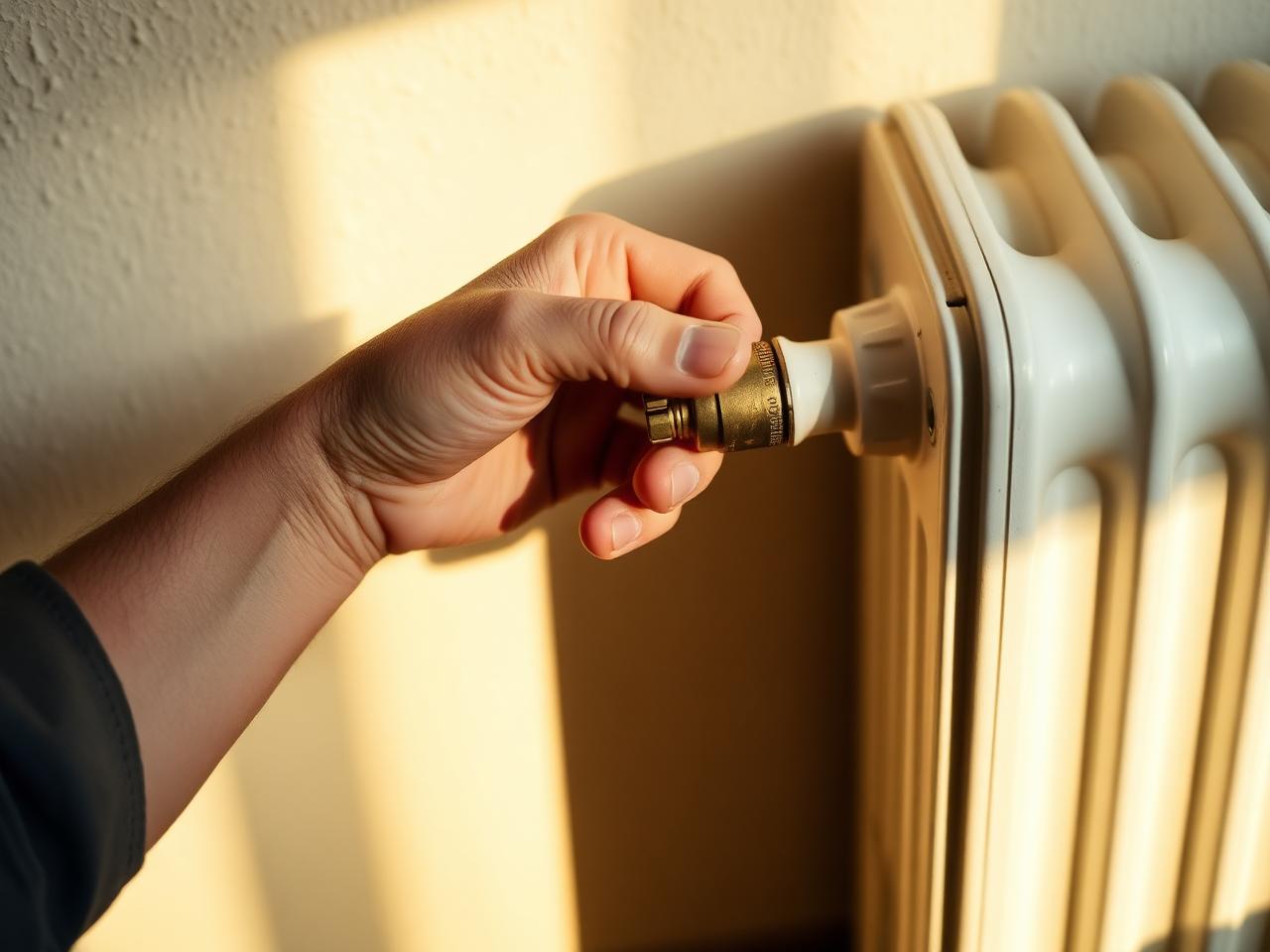
When a thermostat shows a comfortable temperature but one room remains cold, replacing the boiler is not necessarily the answer. A heating enquiry in El Putxet i el Farró should distinguish sensor position, heat distribution, emitters and heat loss before identifying a faulty component. The neighbourhood tells us where the enquiry concerns, not what equipment any particular property contains. Note which rooms warm up, when the fault occurs, whether hot water still works and where the thermostat is mounted. Do not open gas appliances or interfere with safety controls.
Diagnosing uneven room temperatures without speculative replacements
Start by identifying the heating arrangement: a boiler serving radiators, a heat pump, electric emitters, underfloor heating or another system. In a communal installation, establish which controls belong to the individual property and which are managed centrally. A thermostat reading does not describe conditions in every room. A sensor exposed to sunlight or positioned near another heat source may stop a heating cycle before a cooler room reaches its set temperature. Record the setting, the displayed temperature and the timing of the problem without changing protected technical settings. For water-filled radiators, distinguish one completely cold emitter from a partly warm radiator or a circuit that takes unusually long to respond. A competent professional may investigate circulation, balancing, valve operation, thermostatic heads and trapped air. Bleeding radiators without understanding the system pressure can create further problems. Repeated pressure loss requires an explanation rather than repeated topping up. If leaking water reaches electrical components, stop using the affected equipment and seek qualified assistance. The heat source and the distribution network need separate consideration. With a heat pump, airflow restrictions, dirty filters or an unsuitable operating mode may resemble insufficient heating capacity. Refrigerant circuits and electrical assemblies are not suitable for DIY investigation. For electric heating, the issue may lie with a controller, supply or emitter, and bypassing protective devices is unsafe. Underfloor heating often responds more slowly than radiators; opening a floor to investigate without locating embedded pipes or cables is not an acceptable first step. The room itself matters. Check whether window seals admit draughts, furniture obstructs emitters or curtains trap heat against a wall. These observations can inform a diagnosis without claiming a particular building defect. The Spanish Technical Building Code's DB-HE provides energy-efficiency requirements where applicable, but a cold room alone does not establish a regulatory breach. The RITE sets requirements for thermal installations and relevant professional work. IDAE's practical guidance explains heating control and efficient operation, but it cannot identify the cause of a fault in an unseen home. A useful diagnosis separates confirmed observations, plausible causes and tests still required. Replacing a valve, adjusting controls and replacing an entire boiler are different scopes of work. Where replacement is proposed, output, compatibility, pipe connections, flue arrangements and commissioning requirements need examination. A neighbourhood name cannot establish any of these details.
When to arrange a heating inspection and when to stop
Seek an assessment when one room consistently fails to reach its set temperature, others overheat, error codes recur, system pressure falls or unusual noises develop. Note whether the symptoms began after a change to schedules, controls or radiator valves. A localised repair may be appropriate, whereas a failing heat source or incompatible installation may justify broader work. Ask what evidence supports any recommendation for full replacement. If you smell gas, suspect unsafe combustion or notice possible poisoning symptoms, do not reset or repair the appliance. Leave the affected area and contact emergency or appropriate qualified services, following their instructions. Never use a flame to check for leaks. Gas, combustion and electrical work require competent specialists. For communal plant, establish who can authorise access before arranging work.
Choosing compatible thermostats, valves and emitters
A thermostat that looks similar to the existing model may use a different communication protocol. Check the generator, control wiring, zoning and manufacturer's documentation before buying. Radiator valves and heads must match the installed fittings. Replacing an emitter also involves connection positions, dimensions, required output and hydraulic conditions. For heat pumps and electric systems, parts and controls must suit the equipment and authorised scope of work. Ask for part references and product documentation. Percentage savings should not be promised without comparable measurements and a credible calculation.
Compare itemised heating quotations rather than headline prices
Request separate lines for attendance and diagnosis, testing, labour, replacement components, control adjustments, final checks and any required compliance documents. If a new unit is proposed, distinguish removal, equipment supply, pipe or wiring adaptation, commissioning and disposal. Ask what is excluded and how additional work would be approved if concealed faults emerge. A thermostat repair cannot be compared fairly with a complete system renewal on the final figure alone. Equipment type, access and technical requirements matter more than the name of the neighbourhood.
