A quotation request is more useful when it separates a symptom from an assumed cause. Prepare the facts needed to choose checks and materials. The enquiry concerns radiators and faults. A radiator cold at the top, jammed valve and several cold circuits need separate tests; note system pressure and warnings. El Coll belongs to Barcelona's Gràcia district in the city's municipal boundaries. This identifies the area, but says nothing about the materials, services or access conditions of a particular property. For a targeted repair, define a clear completion test: which symptom should cease and how it will be checked without creating further damage.
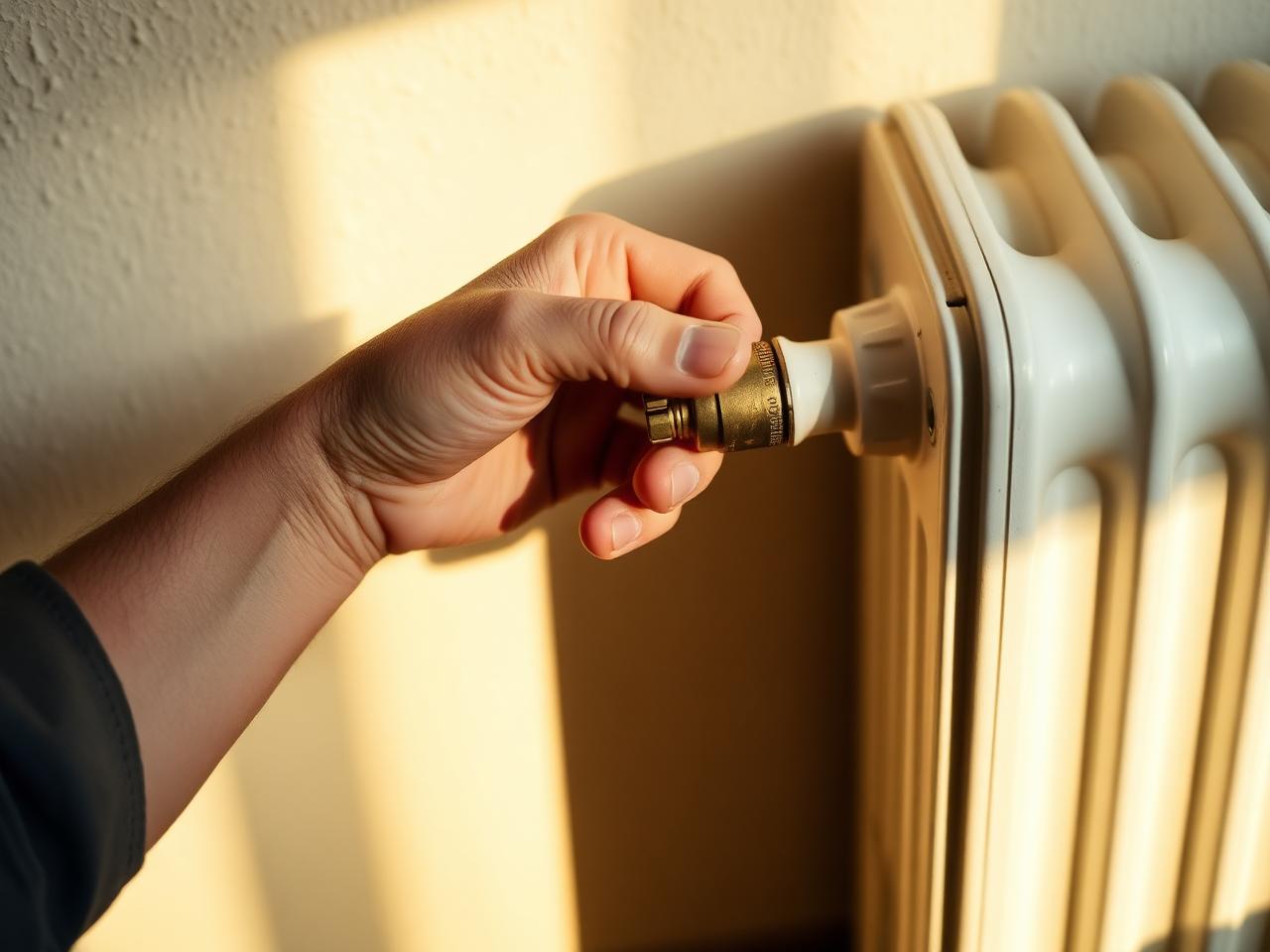
Fault scenario to assess: Should I bleed a radiator that is cold?
A cold radiator does not automatically mean trapped air. Note whether the whole unit is cold or only part of it, whether other radiators work and what the heating controls show. Before touching a bleed valve or other fitting, identify the system and follow only the manufacturer's user instructions. Do not open connections or interfere with an unfamiliar boiler.
Deciding on the appropriate repair
Arrange an inspection if the radiator remains cold after permitted checks, water leaks, unusual noises or pressure changes occur. Ask the technician to distinguish control settings, valve faults, circulation and heat-source problems before quoting for parts. The scope and final operating checks should be written down rather than replacing a radiator without diagnosis.
Safety, responsibilities and permissions
If you smell gas, do not operate switches or equipment; follow supplier and emergency guidance. Tell the contractor about children, pets or people with limited mobility where these affect the safe organisation of work. Escape routes, shared technical equipment and fragile finishes may need additional protection. For a shared element, distinguish permission to enter an area from permission to modify communal equipment; they are separate approvals.
Arranging access in the neighbourhood: El Coll
El Coll belongs to Barcelona's Gràcia district in the city's municipal boundaries. This identifies the area, but says nothing about the materials, services or access conditions of a particular property. The address does not establish how the property is arranged. Confirm steps, usable lifts, loading access, permissions and building hours. For shared areas, identify the administrator or person entitled to approve the work. If the work overlaps a renovation, coordinate trades and distinguish the original fault from changes arising during other tasks. Record the previous condition. Written scope, records and handover Two quotations may differ because one includes preparation, protection or material removal and the other does not. Compare the actual scope, not only the total. If extra work arises, request a reason and a revised cost before approving it. For a targeted repair, define a clear completion test: which symptom should cease and how it will be checked without creating further damage. The document should explain how the particular repair will be verified, not merely list materials to be consumed. Verified neighbourhood context El Coll recorded 8,056 residents in the 2026 municipal register, averaging 228 people per hectare, according to municipal data compiled by BCN.DADES. Before arranging a technical visit, ask for the precise address, building entry arrangements and who may authorise changes to shared installations or components. Neighbourhood density does not describe the actual property. These are area-wide figures, not evidence of the condition of any building.
Describe the problem in El Coll, attach safe photographs and request a written assessment. Submitting an enquiry does not confirm a price or appointment.
