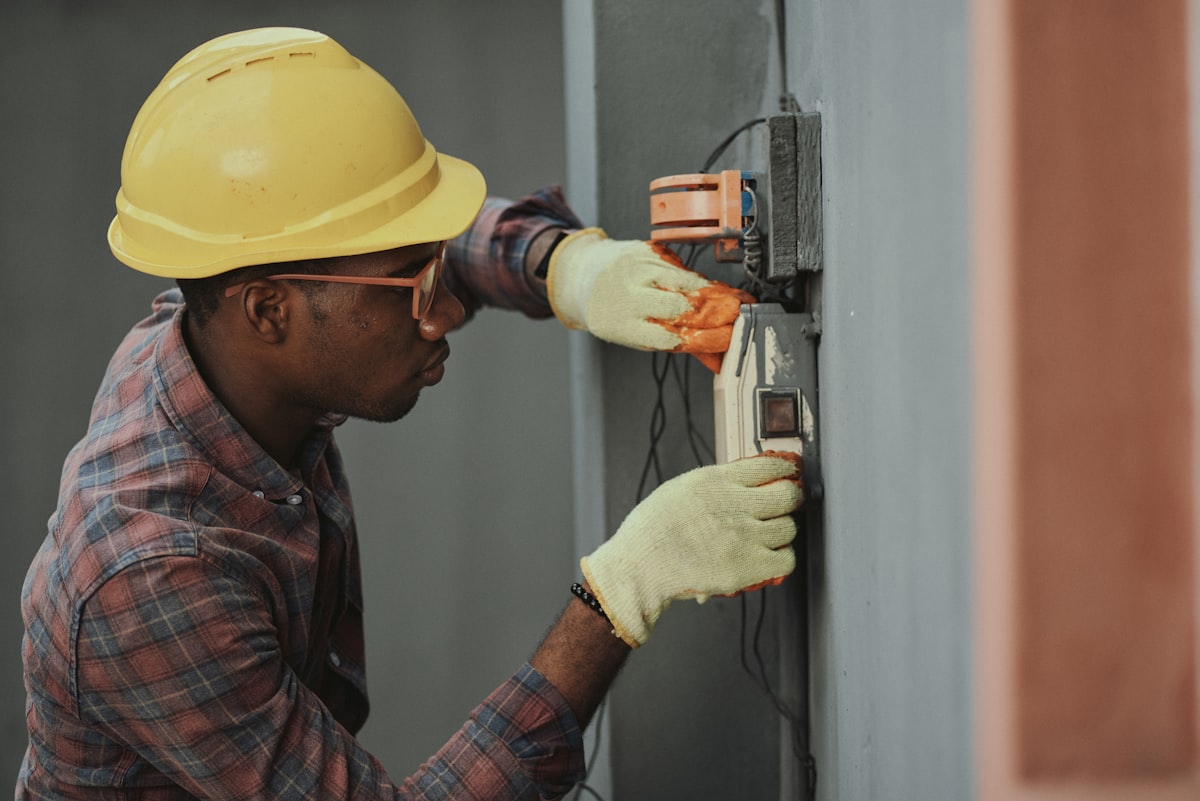
If an RCD trips in an El Coll home, it does not automatically need replacing. Leakage from an appliance, moisture at a connection or a circuit fault may be responsible. Note which appliances were running, whether the event followed rain or cleaning, and which rooms lost power. Do not remove consumer-unit covers or touch wiring. If there is a burning smell, sparking or unusual heat, stop using the affected equipment and seek competent help. A record of symptoms is more useful than repeatedly resetting a safety device without understanding why it operates.
Assessment and options
Distinguish a supply interruption from a circuit breaker protecting one circuit and an RCD detecting leakage. Risky checks belong to competent personnel; householders should follow only safe manufacturer instructions. For a failed socket, explain whether other outlets are affected and whether the plug has visible marks or deformation. For flickering lights, record whether one fitting or several are involved. Do not assume a loose connection without measurements. Proper inspection may involve checking protective continuity, insulation and disconnection devices, according to the installation and applicable rules.
Safety and decisions
If you notice smoke, sparks, burning plastic or an overheating consumer unit, stop using the circuit and request competent assessment. Keep away from electrical installations affected by water. Report faults involving common building areas to the property manager. Tenants should document the issue before authorising permanent alterations. Extension blocks are not a substitute for correctly designed circuits serving substantial loads. In El Coll, as elsewhere, the safe approach is to distinguish what was observed from what has actually been tested.
Materials and specification
Before adding sockets, air conditioning or high-load appliances, assess circuit loading, cable size, protective devices and routes. In an El Coll apartment building, establish which equipment belongs to the flat and which is shared. Existing conduits should not be reused without considering capacity and condition. Spain's Low Voltage Electrotechnical Regulation, approved by Royal Decree 842/2002, sets technical requirements. The documentation needed depends on the work being carried out. Ask what tests will be completed and what assumptions remain unverified before accepting a proposal.
Clear quotation
Request a written quote separating attendance, fault finding, replacement fittings, circuit alterations, materials and final verification. An intermittent fault can take longer to diagnose than a visibly damaged component. If walls need chasing, ask who will restore finishes and protect furniture. Clarify whether any formal electrical documentation is required for the particular intervention; do not assume every repair needs the same paperwork. The Catalan Consumer Agency provides guidance on domestic repair estimates. A postcode alone cannot establish a responsible fixed price, especially when the underlying fault is unknown.
When requesting an electrical assessment in El Coll, provide external photographs of the consumer unit and fittings without removing covers. List connected appliances and say whether the fault is constant or intermittent. Avoid sharing private details. Ask for a record of tests, proposed materials and final verification. This guide cannot inspect your installation or promise an electrician's arrival time.
