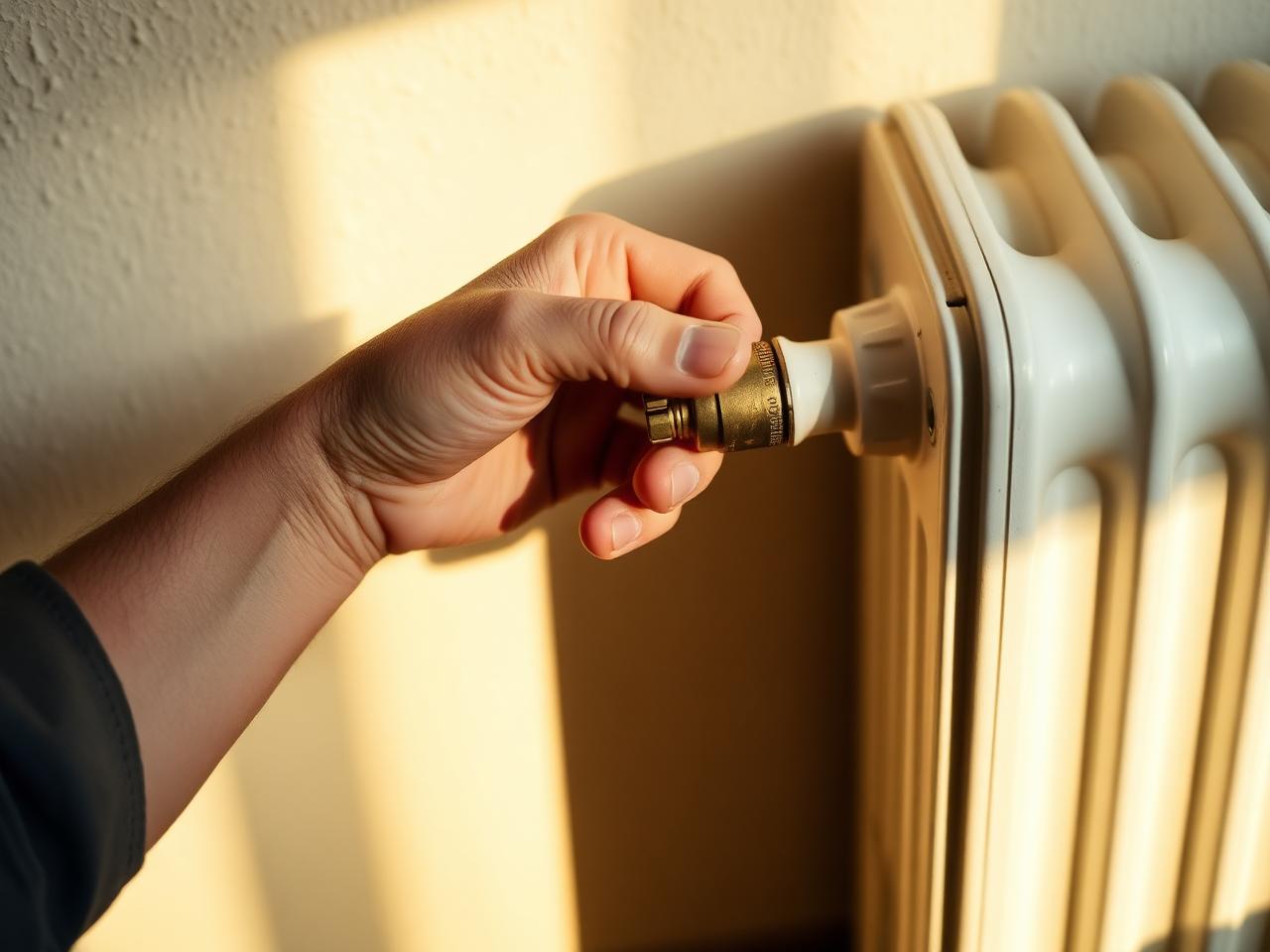
When some radiators heat normally but others remain lukewarm in a Ciutat Meridiana home, replacing the boiler before checking heat distribution may be the wrong expense. Hydraulic imbalance, air in the circuit, a faulty valve and a control problem can produce similar symptoms. Ciutat Meridiana is an official neighbourhood in Barcelona's Nou Barris district, but that does not establish which heating system any individual property uses. For a meaningful quotation, record which rooms stay cold, when the fault appears and what the thermostat displays. Do not open the appliance or interfere with internal components.
Map the symptoms before changing any component
Saying that one radiator is cold is less useful than describing the pattern across the installation. Note whether radiators close to the heat source warm first, whether one end of an emitter stays cold, whether the thermostat calls for heat and whether the problem occurs only at start-up. Flow rate, valve settings, supply temperature and emitter type all influence performance. A cold section does not automatically prove that bleeding is needed, and repeatedly falling system pressure should not be treated as normal. Do not open the boiler or adjust combustion, gas or electrical components. A competent assessment should distinguish problems in the radiator, controls, circulation pump, pipework and heat generator. Spain's RITE sets technical and maintenance requirements for thermal installations within its scope, but does not diagnose a particular fault from a photograph. Ask what measurements or observations support the proposed repair. A recorded baseline also helps determine whether the work has improved the situation.
Know when to stop and what handover should include
If there is a smell of gas, suspected leakage, smoke, a safety alarm or symptoms consistent with exposure to combustion gases, stop attempting repairs and follow the appropriate emergency guidance. Do not repeatedly reset a locked-out appliance or bypass protective devices. If water is leaking near electrical equipment, avoid contact and alert the responsible party. In a communal system, consult the building manager before modifying valves or connections that could affect neighbours. After work, request checks that radiators respond to the controls, that no visible leaks remain and that the relevant documentation is provided. Observing a full heating cycle is more informative than a momentary touch test, although it cannot guarantee future performance. Ask how to use thermostats and valves and what warning signs require further attention. Keep the diagnosis, replaced-part details and maintenance advice. Safety and compatibility matter more than an apparently quick fix.
Balancing, valves or replacement are different scopes
Where several emitters work but heat is unevenly distributed, hydraulic balancing and valve condition may deserve attention. A sticking thermostatic valve calls for a different intervention from a defective pump or contamination in the circuit. A larger radiator may not solve a cold room where the underlying issue is the building's heat demand or unsuitable control settings. The Technical Building Code's DB HE connects energy performance with building fabric and thermal systems within its defined scope. Ask the assessor to distinguish cleaning, adjustment, repair and complete replacement, with a clear method for checking the expected outcome. Do not accept boiler replacement solely because one radiator is cool. Work subject to regulated competence requirements must be carried out by appropriately authorised personnel. Before selecting parts, compatibility with output, connections, controls and manufacturer instructions must be assessed. A familiar brand name is not evidence that a component fits the installation.
Compare itemised heating assessments and repair quotations
Request a diagnosis item specifying how many radiators will be checked and which controls, valves, temperatures and circulation conditions will be assessed. A repair quotation should identify components, labour and subsequent testing. If cleaning or balancing is proposed, define the included sections and how improvement will be measured; it is not a universal cure. Replacing a radiator can involve supply, connection adaptations, draining, refilling and leak checks, which should be separate items. A proposal to replace the heat generator needs a technical explanation independent of one cold room and any required documentation. Explain whether the system is individual or communal and who authorises changes to shared equipment. The neighbourhood name cannot establish a standard price or confirm staff availability. Compare exclusions, materials, testing and the process for approving extra work. The cheapest single figure is difficult to assess without a written scope.
Explain which radiators remain cool in Ciutat Meridiana and request a separate assessment of controls, circulation, emitters and generator.
