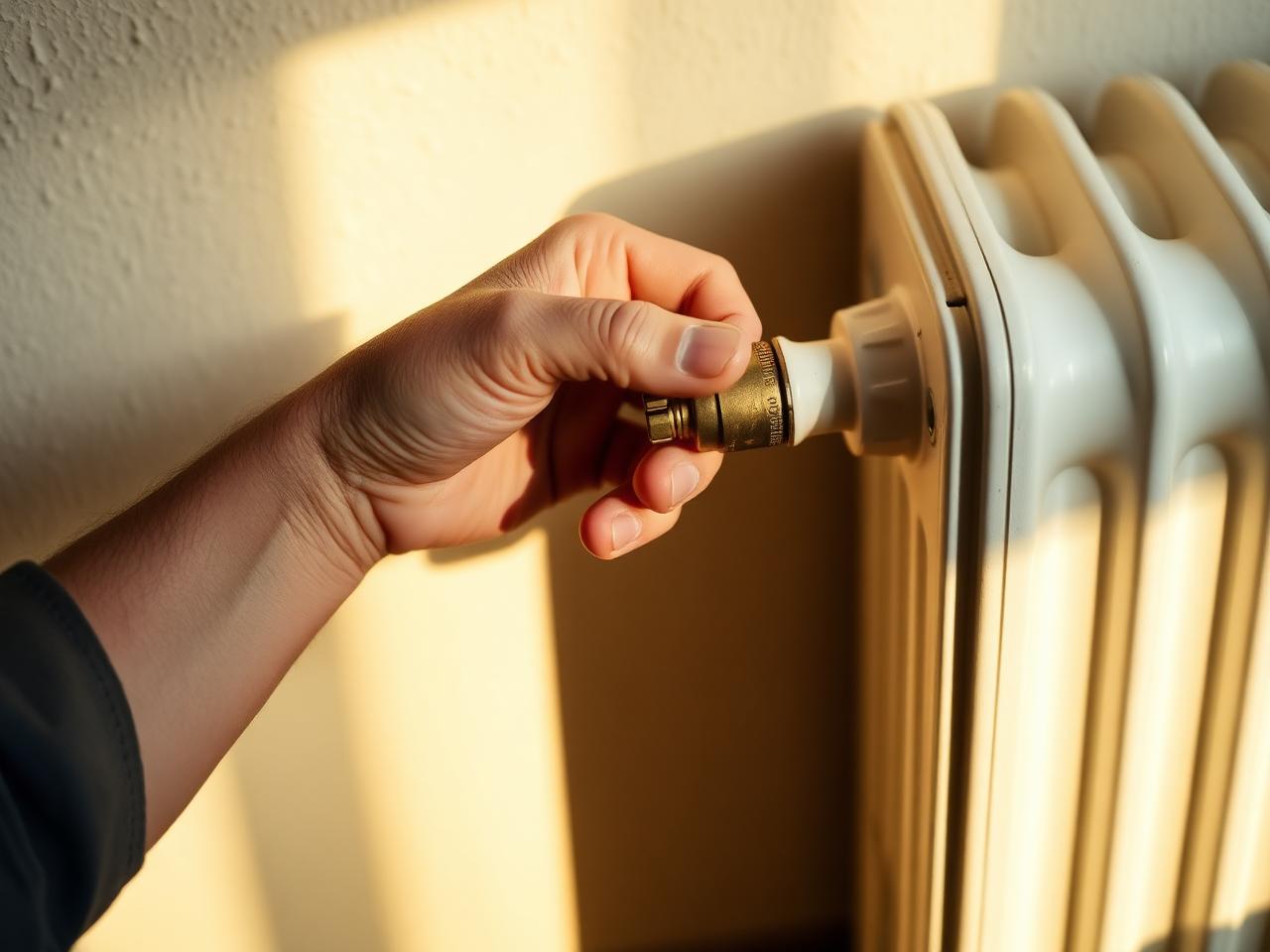
When one radiator in a Can Baró home stays cold while others heat normally, the first question is whether the fault lies with that emitter, water circulation or the heating controls. A radiator that is warm at the top but cold lower down calls for a different investigation from one that rattles or leaks at a joint. Before requesting work, note which rooms are affected, when the symptom appears, whether the boiler shows an error and whether heating is private or shared. Barcelona City Council places Can Baró within Horta-Guinardó, but a neighbourhood name cannot establish the boiler type, pipework or maintenance arrangements in any particular property.
Useful checks without opening pressurised equipment
Start by confirming that the room thermostat is requesting heat and that its programme is not preventing the system from running. Compare several radiators without dismantling valves or touching hot pipework. Record uneven temperatures, gurgling noises and whether domestic hot water is affected as well. A cold room with a hot radiator may reflect heat loss or control settings rather than a faulty boiler. If only one emitter remains cold, trapped air, a closed valve, poor hydraulic balancing and a blockage are different possibilities that require different tests. IDAE's individual heating guidance treats controls, distribution and emitters as parts of one system. Do not remove boiler covers, bridge electrical terminals or interfere with gas and combustion components. If you smell gas, move away and follow the gas distributor's and emergency service's safety instructions rather than attempting a repair.
When a qualified heating assessment is appropriate
Arrange an assessment if boiler pressure falls repeatedly, moisture appears around a radiator joint, an error message persists or a room remains cold while the rest of the installation works. Note the make, model and displayed fault code without opening the appliance. Mention whether the problem followed building work, draining of the circuit or a thermostat replacement, while remembering that timing alone does not prove the cause. In a building with communal heating, speak to the property manager before arranging work on shared pipes or plant. A private radiator connection and a communal boiler room involve different permissions and responsibilities. Spain's RITE sets requirements for safety, energy performance and maintenance of thermal installations. Regulated inspections and alterations should be undertaken by appropriately authorised personnel, rather than by a householder experimenting with a pressurised circuit.
Repairing a valve versus replacing a radiator
A new radiator will not necessarily fix an incorrectly controlled pump or a poorly balanced distribution system. The diagnosis should distinguish thermostat behaviour, valve operation, trapped air, restricted water flow and deterioration of the emitter itself. A leak from an accessible union may be repairable without replacing the whole radiator, whereas corrosion through the radiator body calls for a different decision. Check connection sizes, valve compatibility, dimensions, heat output and the existing control arrangement before ordering parts. Two similar-looking thermostatic valves may use different fittings. On communal systems, draining a branch can affect other flats and requires coordination. Ask the assessor to explain the evidence behind repair or replacement and to specify which connected parts will be reused. Avoid accepting a component swap as proof that the original fault has been identified.
What an itemised heating quotation should include
Request separate lines for the inspection, diagnostic work, identified replacement parts, labour, any draining and refilling, leak testing and final heating checks. Clarify whether travel, removal of old components, access to communal areas and a return visit for unavailable parts are included. If a radiator replacement is proposed, ask whether brackets, the lockshield valve, bleed valve, connections and circuit adjustment form part of the scope. Where the cause remains uncertain, a diagnostic stage is more informative than a fixed replacement proposal based solely on a cold room. Compare exclusions and the responsibility for obtaining building-management consent. Published universal prices would be misleading without knowing the circuit or the work required. A clear quotation distinguishes essential safety work from optional comfort or efficiency improvements, and explains what evidence would change the recommendation.
Describe the affected radiators in Can Baró, whether the system is individual or communal and any leaks or fault messages. Request a scoped assessment and an itemised quotation.
