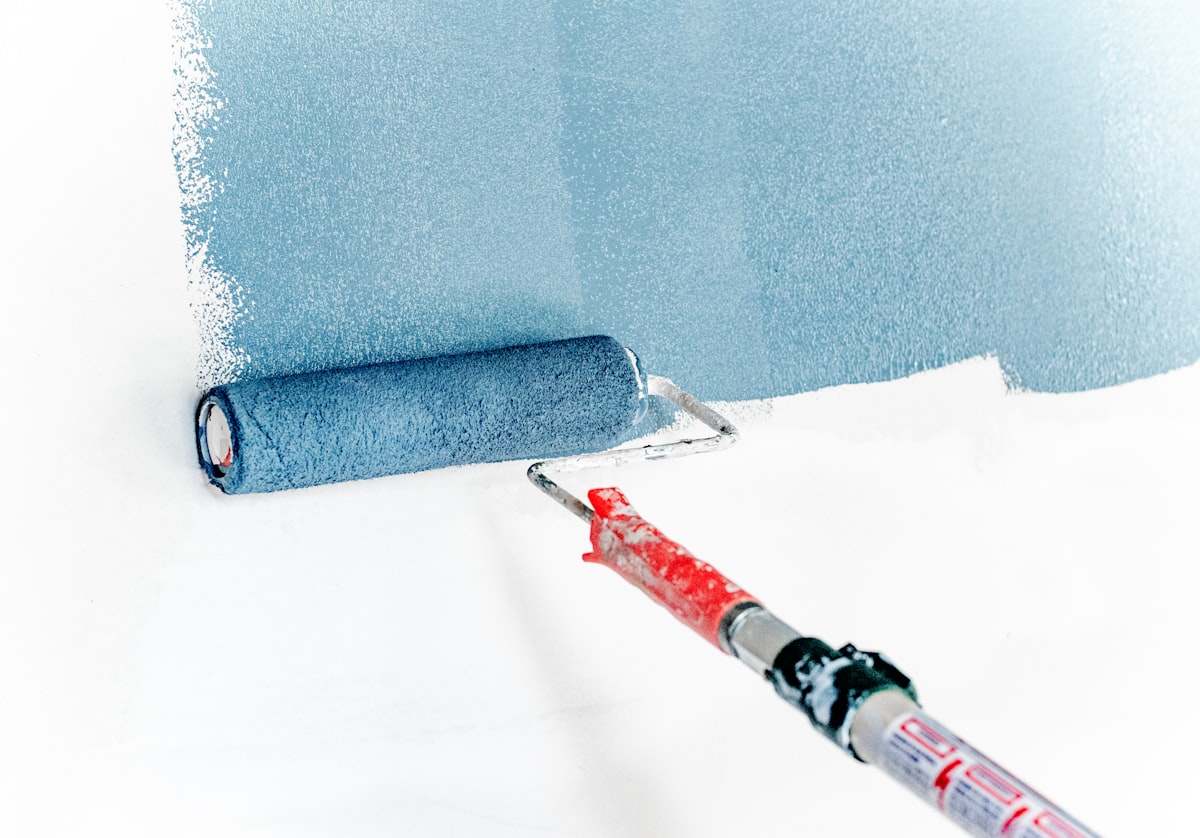
Painting a home in Can Baró may mean refreshing walls and ceilings, preparing flaking surfaces, filling minor defects, repainting doors or covering a stain only after its cause has been addressed. These are different jobs and should not be priced as if they were identical. Barcelona City Council identifies Can Baró as a neighbourhood within Horta-Guinardó, but that does not establish the age of the coating, the presence of damp or the condition of any particular home. For a useful quotation, list the rooms, approximate surface measurements, ceiling height, preferred finish and areas with peeling paint, cracks or stains. Wide photographs in natural light and close-up images help distinguish straightforward decoration from a problem requiring diagnosis first.
Assessing the surface before choosing a finish
Preparation is central to a durable result. A dusty wall needs cleaning and an adhesion check; flaking paint requires loose material to be removed and the extent of failure identified. A fine surface crack is not the same as a fissure that returns or runs through several layers. Look for movement, active moisture or signs that another trade should investigate before applying filler. Yellow stains, salts and mould cannot reliably be solved by an opaque topcoat alone. First establish whether condensation, water ingress, poor ventilation or a leak is responsible and address the cause where present. Once the substrate is stable, the scope may include cleaning, filling, controlled sanding, compatible primer and the chosen finish. High ceilings and restricted spaces require a separate access plan. A complete decoration request might cover walls, ceilings, skirting boards, frames and doors, but each surface needs its own description to prevent unanticipated omissions. Check the condition of edges and junctions where old paint meets different materials.
Damp, ventilation and responsible paint disposal
If a wall is still damp, mould keeps returning or the coating blisters, painting over it may conceal the symptom temporarily without repairing the cause. Distinguish condensation, water penetration, leaks and damaged substrate, and obtain a specialist assessment where appropriate. Follow product labels and safety information, provide suitable ventilation and avoid improvised mixtures of solvents or cleaners. During sanding, protect occupied rooms and control dust; do not assume the composition of an unknown old coating. The Catalan Waste Agency identifies paints, varnishes and solvents among materials requiring selective collection under the applicable collection-centre conditions. Do not pour leftovers down a drain or mix incompatible containers. Work at height or near electrical fittings requires appropriate methods and clear responsibility before starting. When a wall has been repeatedly repainted without identifying the cause of failure, further coating is unlikely to be a sound substitute for investigation. A quote should therefore distinguish decoration from remedial building work.
Paint finishes, primers and product compatibility
Matt, satin and more washable finishes suit different uses, lighting conditions and surface qualities. A glossier finish can emphasise imperfections; matt paint may disguise them but cannot repair cracks or poor adhesion. Before coating old paint, check compatibility and whether a primer is needed. Lacquered doors, timber, metal and radiators should not be treated as plaster walls. Where patches have been filled, a suitable primer can help even out absorption, provided the manufacturer's instructions and drying times are followed. Protect sockets, fittings, floors and furniture before sanding or applying paint. A major colour change may require additional coats to achieve consistent coverage; this should be addressed in the quotation rather than assumed. Keep the exact agreed colour reference and product name, since descriptions such as warm white are not sufficiently precise. Discuss how a small test area will be assessed under the room's actual light before proceeding with the full surface.
An itemised quotation for preparation and painting
Ask for separate descriptions of furniture and floor protection, cleaning, removal of loose coatings, filling minor defects, stain treatment where suitable, primer, number of coats, product and finish, ceilings, woodwork, waste handling and taxes. Surfaces should be identified as measured or estimated, with exclusions such as structural repair, active damp treatment or furniture dismantling clearly stated. Two rooms with the same floor area can require very different work if one has numerous repairs, corners and difficult cutting-in. Confirm who supplies materials, which product range and colour reference will be used, and how the colour will be checked before painting every wall. The Catalan Consumer Agency provides guidance on written quotations and communicating scope changes. If removing old paint reveals a hidden defect, request an explanation and an agreed variation before proceeding. A final inspection should cover even coverage, clean edges, missed patches, removal of protection and when the room can safely return to normal use.
To request painting in Can Baró, send overview and close-up photographs, approximate measurements, ceiling heights, the number of rooms, the desired finish and any cracks, stains or peeling areas. Explain whether the property is occupied and what needs protecting. Request a written breakdown of preparation, materials, coats, protection, cleaning and exclusions, without assuming that an unexplained damp problem is already resolved.
