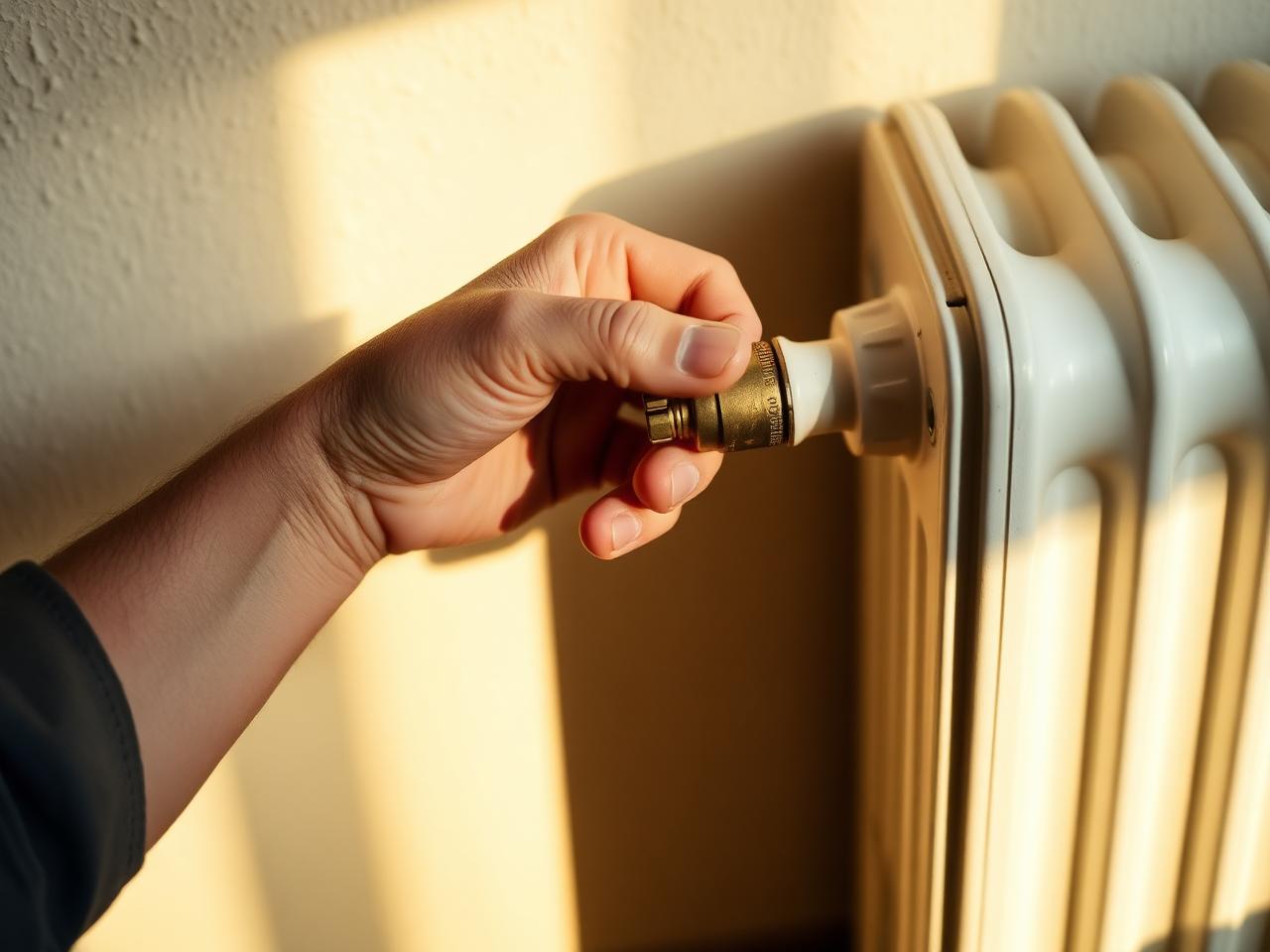
A radiator that stays cold at the top, a boiler that repeatedly loses pressure and a heating system that never reaches the set temperature are not necessarily the same fault. Baró de Viver is an official neighbourhood in Barcelona's Sant Andreu district, but the location cannot tell us which heating arrangement an individual home uses. It might have water-filled radiators, communal heating, a heat pump or electric heaters. For a useful heating quotation, identify the system, manufacturer and model if known, which rooms are affected, what the display shows and whether there is visible water. A photograph of an error code may help without revealing full serial numbers or private details. Do not open a boiler casing, touch gas components or bypass safety controls. The initial task is to distinguish heat distribution and control problems from a fault in the heat generator. A quotation should follow that diagnosis rather than assume that a new boiler is always necessary.
Cold radiator, falling pressure or unresponsive thermostat
A radiator cold near its top may contain air, but the behaviour of other radiators and the balance of the circuit also matter. If heat reaches only one end, restricted circulation, a valve position or contamination may be relevant; no single symptom proves the cause. Repeated pressure loss can require examination of leaks, the expansion vessel, valves and connections, depending on the system. Continuously topping up without finding the reason may disguise a fault. Where a thermostat requests heat but the boiler does not start, programming, power, communication and safety lockouts should be considered separately. Note when the problem occurs, any displayed code and whether domestic hot water still works. Never dismantle pressurised or electrical components. With communal heating, ask the building manager whether other flats have the same problem before commissioning work on shared equipment. A proper diagnostic visit should record which checks were performed, what remains uncertain and whether repair is technically sensible. It should not confuse a cold room caused by a control setting with a failed boiler component.
Gas safety, electrical hazards and shared systems
If you smell gas, do not operate switches or use flames. Move away from the danger and follow the instructions of the relevant emergency service and network operator. Smoke, burning smells or water near electrical components are reasons to stop using the equipment and seek suitable assistance. Never attempt repairs to burners, flues or protective devices. For a radiator that is not heating without an immediate hazard, note which rooms are affected and whether the issue followed a change in thermostat settings. Tenants should inform their landlord; with central heating, consult the building manager before anyone alters shared equipment. RITE and the Generalitat's guidance help explain regulated maintenance and documentation, but the exact case needs checking. Barcelona City Council lists the Baró de Viver civic centre in the neighbourhood, confirming its geographical context, not any completed heating jobs. Explain whether you need maintenance, fault diagnosis or a replacement assessment. Those are distinct services and should not be combined into an unsupported fixed-price promise.
Compatible radiator valves, controls and replacement parts
A replacement thermostatic radiator valve must suit the emitter and the control arrangement. Similar appearance is not enough: connection type, working pressure and circuit balancing can matter. Boiler parts need to match the model and manufacturer's requirements. Changing a thermostat may require checking voltage, wiring, communication protocol and sensor location. A control positioned close to a heat source may give an unrepresentative reading. If replacement of the heat generator is suggested, ask for a justification based on its condition, actual heat demand and the existing installation rather than a generic energy-saving promise. Spain's RITE regulations address design, safety, efficiency and maintenance of building thermal systems. The Generalitat's Canal Empresa explains the duties and documentation of installation owners. Neither official source certifies any particular business. Where the work is regulated, ask for the appropriate professional identification and documentation. A replacement proposal should also state how the system will be commissioned and what will happen to the old equipment.
Comparing heating estimates without hidden exclusions
An itemised quotation should distinguish call-out charges where applicable, diagnosis, tests, labour, replacement parts, draining and refilling the circuit if needed, adjustments, commissioning, taxes and disposal. Replacing a radiator valve is not comparable with fitting a pump or a complete boiler. If a new generator is proposed, request its model, justified output, necessary connection changes, controls, any flue work and required installation records. There is no verified fixed heating price for every home in Baró de Viver. The system type, access, parts availability and whether the equipment is communal all affect the scope. If testing reveals another defect, ask for evidence and a revised quotation before approving extra work. Retain invoices, component references, user instructions and relevant maintenance records. Compare what final tests are included, such as control response, radiator operation and absence of leaks, as appropriate to the equipment. A low headline amount may exclude essential checks or paperwork. Do not accept claims of guaranteed savings without an assessment of the actual building and its heating demand.
For a heating enquiry in Baró de Viver, describe the equipment, affected radiators, error code and pressure changes. Send safe photographs and request an itemised, diagnosis-led quotation before authorising replacements.
