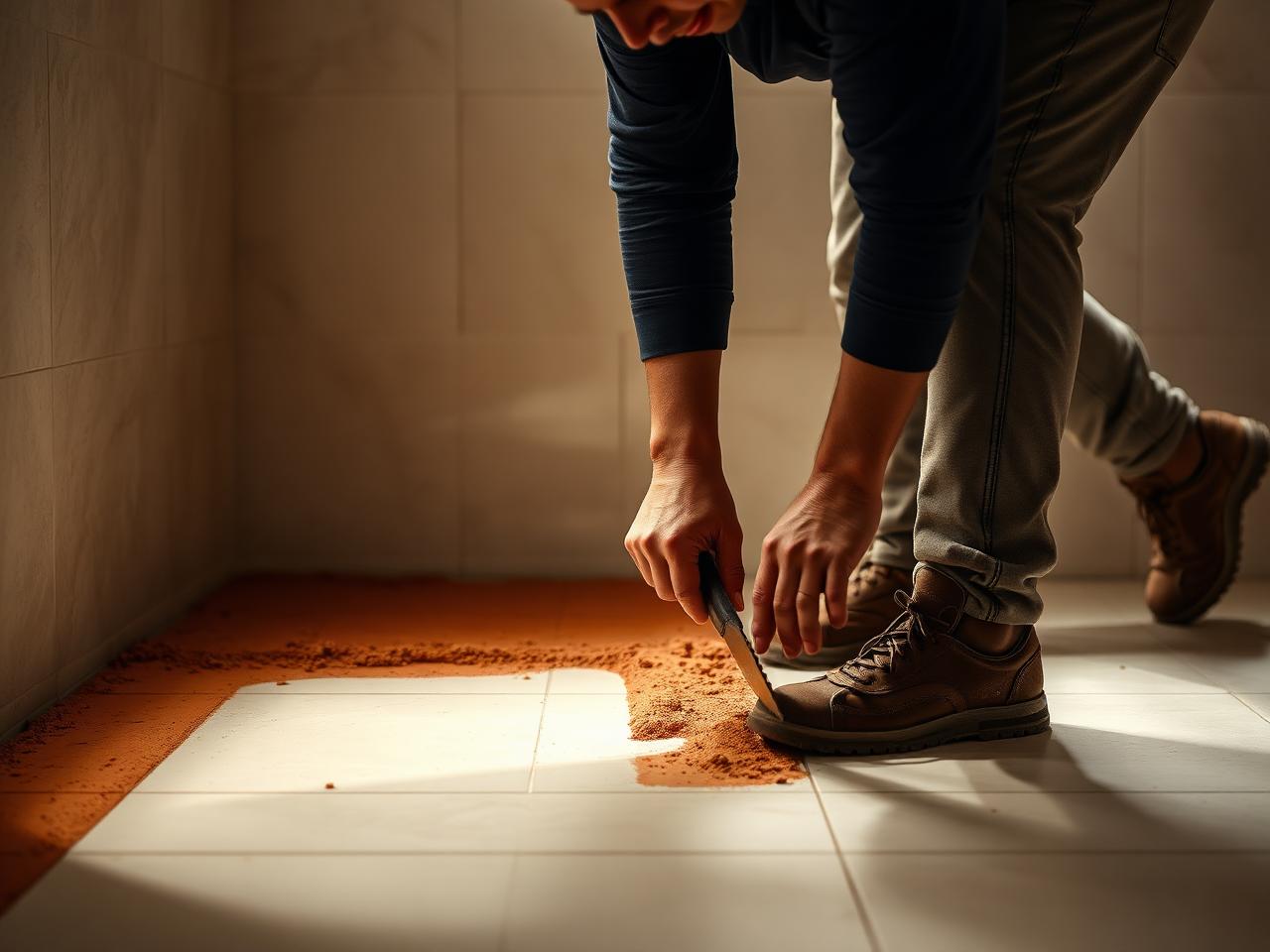
A loose floor tile, a crack in render and a damp partition should not all receive the same masonry repair. For a building-repair enquiry in La Font d'en Fargues, a neighbourhood in Barcelona's Horta-Guinardó district, describe the substrate, symptom and whether the damage is changing. The neighbourhood does not reveal the construction of an individual property. The work might be repointing, patching render, rebuilding a junction, replacing tiles or investigating a more extensive defect. The choice between a local repair and wider work should follow observed evidence, with preparation, materials and finishing clearly distinguished in the quotation.
Cracks, loose tiles and the supporting base
Explain where the crack appears, its direction and approximate length, and whether it affects paint alone or continues through the render. Photograph it with a scale reference without striking the wall. A fine line at the junction of different materials may have a different cause from a stepped crack through masonry. If it is growing, accompanied by distortion or repeated across several elements, covering it with filler before competent assessment could hide a significant problem. For floor tiles, note whether a piece sounds hollow, moves underfoot or sits beside several raised tiles. The supporting base, moisture and movement joints should be checked before a replacement is bonded. In kitchens and bathrooms, failed grout may contribute to water ingress, but it is not automatically the only cause. A sound diagnosis distinguishes the visible finish from the structure or screed beneath it.
Moisture, demolition dust and safe boundaries
Where render is flaking or salt deposits appear, investigate whether moisture comes from rainwater, plumbing, rising damp or condensation. The Building Technical Code's DB HS addresses moisture protection but cannot identify the cause in a specific property without inspection. Fresh mortar applied to a persistently damp base may fail again. Loose material above a walkway should prompt precautions to keep people away until the risk is assessed. Chipping off tiles or render creates dust, fragments and waste; protecting occupants and adjacent surfaces must be part of the plan. Do not cut channels into an element whose function is unknown or assume that a potentially load-bearing wall is merely decorative. If work affects structural elements, electrical services or safe use, obtain the relevant competent assessment before proceeding with a cosmetic repair.
Compatible mortar, adhesives and finishes
A durable render patch starts with checking substrate cohesion, removing loose material and selecting a compatible repair mortar. The strongest or hardest mix is not automatically appropriate for older or more flexible substrates. For tiling, specify the tile material, size, location, adhesive, joint treatment and moisture conditions. Replacing only a few pieces may leave a visible difference in colour or thickness; agree this before fitting. At steps, thresholds and corners, the finished geometry should avoid sharp edges and trip hazards. DB SUA provides relevant principles on safe use and accessibility where applicable. If a contractor proposes replacing an entire wall finish, ask what observed defect prevents a local repair. The selected material should match the actual cause and function of the element rather than merely creating a fresh-looking surface.
A quotation for preparation and finishing
Request separate items for inspection, protecting furniture and floors, removing damaged tiles or mortar, waste handling, making the substrate sound, primer where needed, adhesive or mortar, replacement pieces, joints, edges and final cleaning. For cracks, distinguish cosmetic filling from work that needs a technical investigation first. If an area must be opened to assess hidden damage, agree how extra work will be priced and authorised before it proceeds. Clarify quantities, measured area, thickness, matching tile availability and potential differences in appearance. The Catalan Consumer Agency explains rights and documentation for repair services at home; keep the written scope and invoice. On completion, inspect flatness, visible bond, edges, joints and whether the original moisture cause has been addressed. No price or completion time has been verified for a specific La Font d'en Fargues address.
For a masonry-repair quotation in La Font d'en Fargues, send safe photographs, approximate measurements, the history of cracks or damp and your preferred finish. Ask for diagnosis, preparation, materials and finishing as separate items.
