Reply within 24 h
Skilled handymen across Barcelona
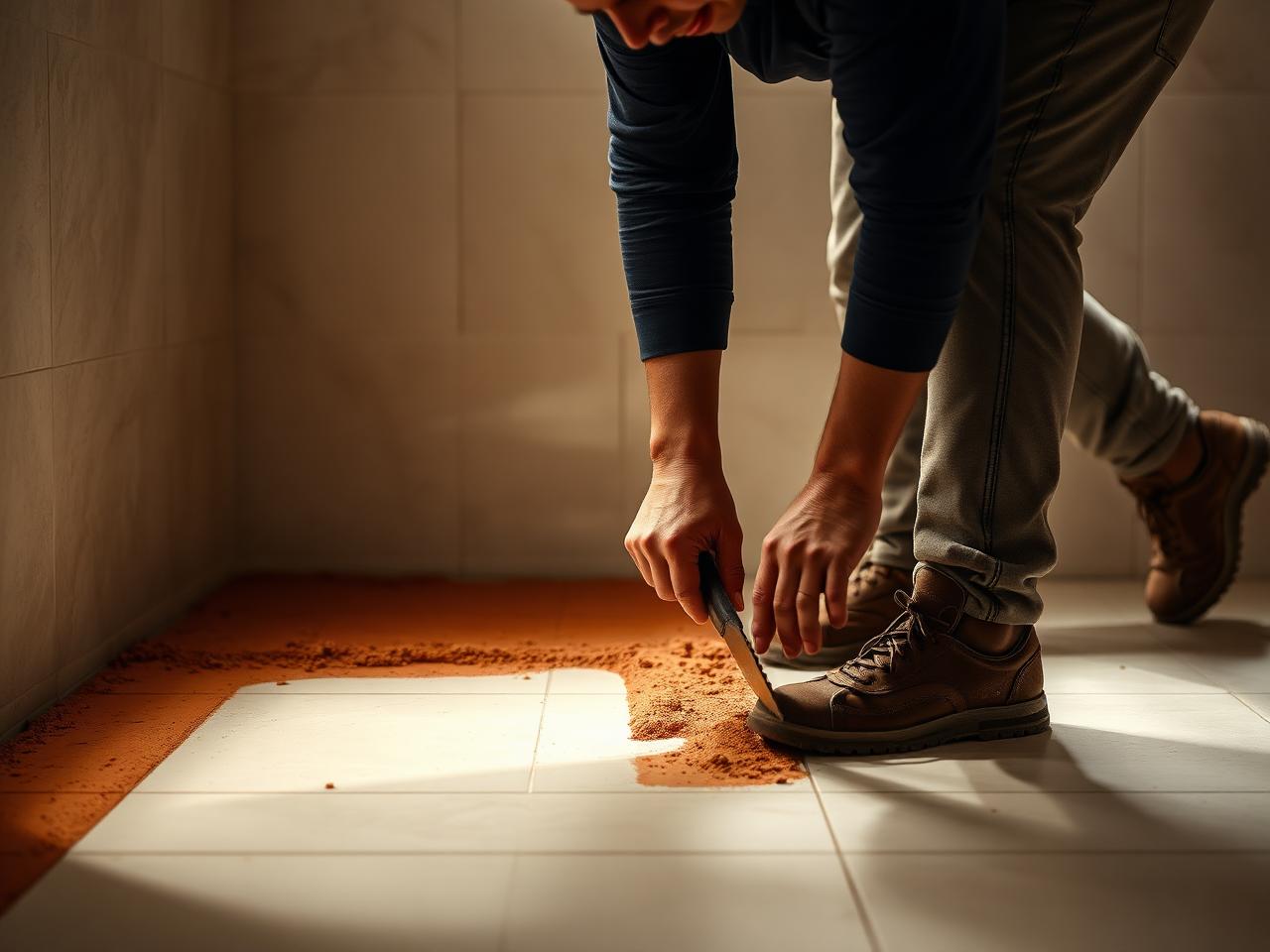
Masonry · Barcelonès
Tiling in El Raval
Bathrooms and kitchens. Coverage in El Raval (Barcelonès). Barrio céntrico de fincas estrechas anteriores a 1936, escaleras sin ascensor y pisos compartimentados que requieren obras adaptadas.
Local self-employed professionals who invoice their own work. We give you a fixed written quote before we start — no surprises, no hidden fees.
- Fixed quote
- No obligation
- Reply < 24 h
- Skilled professionals
- Indicative price El Raval
- 140–3550 €
- Duration
- 3.7 h+
- Response
- < 24 h
- Area
- Barcelonès
Indicative price. We give the fixed price after reviewing your photos or —if you prefer— a visit, no commitment.
Tiling in El Raval: what's included
- tabique con grieta
- junta deteriorada
- azulejo roto
Frequently asked questions
- How much does tiling cost in El Raval?
- Indicative range in El Raval (Barcelonès): €140–3550, depending on scope and materials. It's a reference — not a fixed price. We confirm the final quote within 24 h after reviewing your photos or, if you prefer, a visit with no commitment.
- Do you work in El Raval with no extra travel charge?
- Yes. El Raval is within our Greater Barcelona coverage (Barcelonès). No extra travel charge.
- Are your pros insured?
- Every pro we send to El Raval has verified experience and knows the area. A single point of contact supports you from quote to completion.
- How long does it take in El Raval?
- We schedule a visit or intervention within 24–72 h in El Raval. For emergencies we offer same-day availability subject to schedule.
- How is invoicing handled?
- You pay on completion, only if you're satisfied. We accept transfer, Bizum and card, and issue a formal invoice.