Tiling · Barcelona
Before you retile a bathroom, check what is underneath
A cracked tile may be a straightforward repair. Moisture behind the wall is a different job. Here is how to tell what needs checking before you approve a quote.
Practical guide · Manitas Barcelona 24
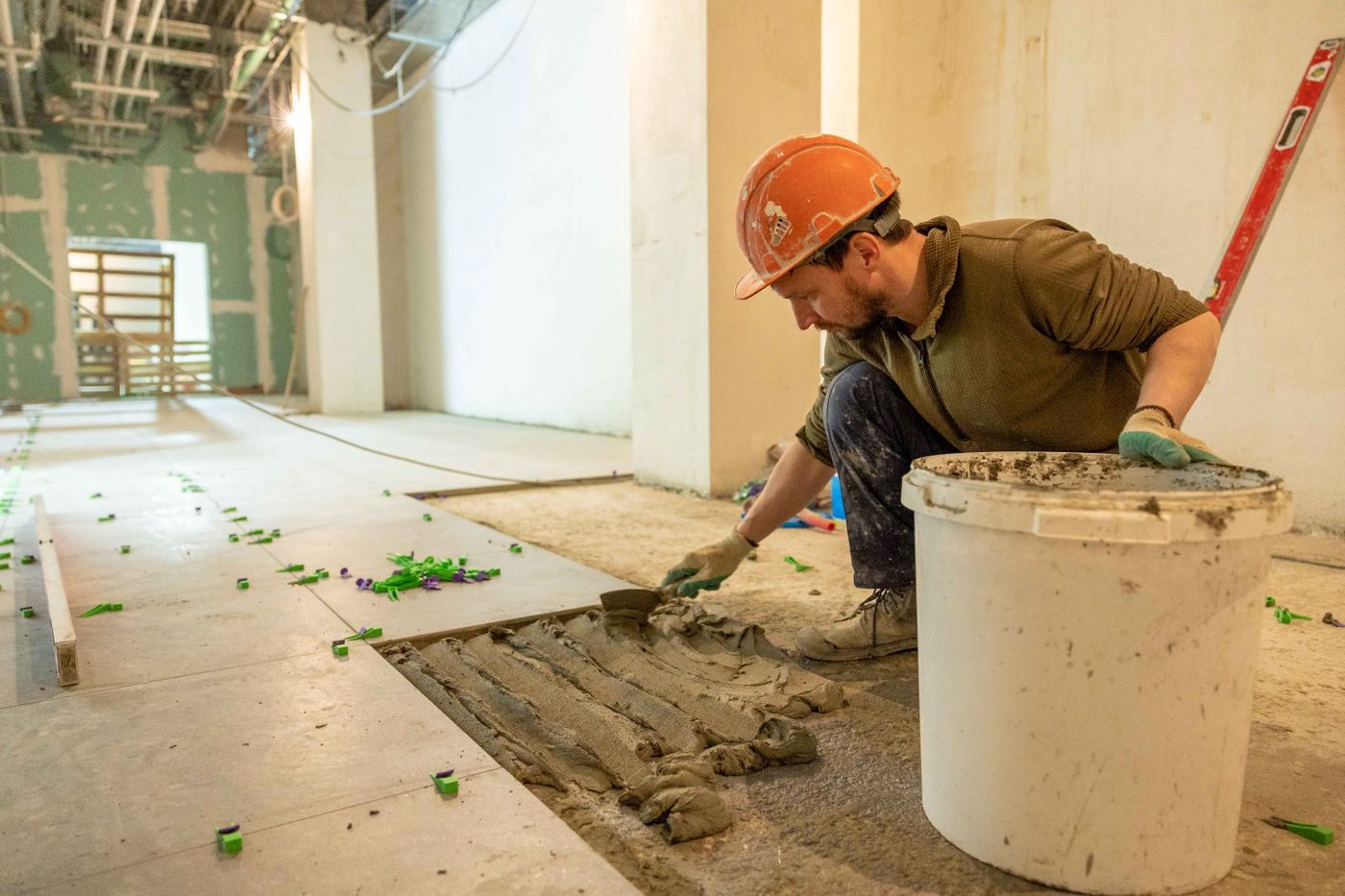
Surface problem or failed substrate?
Most tiling complaints fall into one of two groups. A surface problem is limited to the finish itself: a tile chipped by a dropped bottle, grout that has discoloured, a single crack across one piece. The wall or floor behind it is still sound, and the repair can usually stay small.
A failed substrate is different. The plaster, render or screed behind the tiles has lost its grip, or water has been getting into it. Replacing the visible tiles without dealing with that layer means the new finish sits on the same weak base, and the problem tends to return.
How to check before anyone starts
You do not need tools for a first look. Spend ten minutes on these three checks:
- Hollow tiles. Tap gently with a knuckle or the handle of a wooden spoon. A dull, hollow sound over several neighbouring tiles suggests the adhesive has let go. One hollow tile is common; a whole patch is worth mentioning.
- Cracks. Note whether a crack stays inside one tile or runs across several tiles and grout lines. A line that continues across the joints often follows movement in the wall behind.
- Moisture. Look for darkened grout that never dries, loose silicone around the tray or bath, flaking paint on the other side of the wall, or a musty smell. These point to water getting behind the finish.
Tiles are a finish, not the waterproofing
It is easy to assume tiles keep water out. In practice, tiles and grout are a hard-wearing finish, and grout in particular is not watertight. In showers and other wet areas, what protects the wall is a waterproofing system underneath, which has to be compatible with the adhesive and tiles placed on top of it.
So if a shower has been leaking, new tiles alone will not fix it. The quote should say how the wet zone will be waterproofed. For larger jobs where the shower, plumbing and layout change together, it may make more sense to look at a full bathroom renovation rather than a tiling repair. And if the damp patch is on a top-floor ceiling rather than a wall, the source may be above you; in that case read about roof leaks first.
Three steps to a quote you can compare
- Send a wide photo, a close-up and the dimensions. The wide shot shows the whole wall or floor, the close-up shows the damage, and rough measurements (height × width) let the tradesperson estimate materials without guessing.
- Ask what is included. A good quote states whether it covers demolition of the old tiles, disposal of the rubble, substrate preparation and waterproofing, and finishing such as grout, silicone and trims. Two quotes that look far apart often differ only in these lines.
- Agree on hidden faults in writing. Nobody can see behind a wall before opening it. Ask for a clear rule: if a hidden fault turns up, work stops and you approve any extra job in writing before it goes ahead.
Tiling is one of several masonry services where the preparation matters as much as the visible result. A few photos and a clear scope at the start save most of the surprises later.
Frequently asked questions
Can new tiles go over the old ones?
Sometimes, if the old tiles are firmly bonded, flat and dry, and the extra thickness does not cause problems with doors, fittings or the shower tray. If tiles sound hollow or there is any moisture, they should come off first.
My shower is leaking. Is retiling enough?
Usually not. A leak means water is passing the finish, so the waterproofing beneath, the seals and the plumbing need checking. Retiling only helps once the cause is fixed.
Ceramic or porcelain: which should I choose?
Porcelain is denser and absorbs less water, so it suits floors and heavy use. Ceramic is lighter and easier to cut, and works well on most walls. Both depend on correct preparation and adhesive underneath.
Why are two tiling quotes so different?
Check whether both include demolition, disposal, substrate preparation, waterproofing and finishing. Ask each one to list these items separately so you are comparing the same job.
Send your photos and measurements and describe what you have noticed. We will tell you what needs checking in your home in Barcelona.
Request a quote