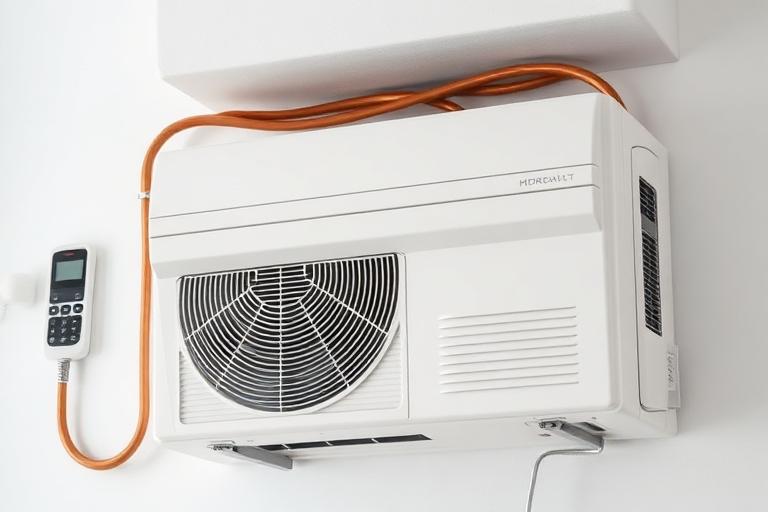
In El Fort Pienc, an air-conditioning unit that drips, cools poorly or shuts down intermittently does not automatically need replacing. The symptom may involve filters, airflow, drainage, controls, sensors or the refrigeration circuit. Before requesting repair, distinguish observations available through ordinary user controls from tests that require competent personnel. The address cannot establish the equipment type or permission to position an outdoor unit. This guide helps residents prepare a diagnostic enquiry, compare repair and replacement and request a written scope without assuming prices, attendance or energy savings.
Safe checks without opening the equipment
Record the selected mode, target temperature, whether the fan runs and whether the problem begins immediately or after operating for a while. Check only the normal user controls and accessible cleaning described by the manufacturer, disconnecting the appliance where instructed. Do not remove electrical covers or operate refrigeration service valves. If water accumulates indoors, stop using the unit where sockets or vulnerable finishes may be affected. A blocked drain may cause dripping, but poor pipe fall or condensation on inadequately insulated surfaces may also contribute. Ice on a heat exchanger is not conclusive evidence of low refrigerant. A displayed error code and model number can help frame an enquiry, but they do not replace operating measurements.
Prepare the enquiry and verify the result
Provide the make, model, location of indoor and outdoor units, approximate onset of symptoms and photographs taken safely. Never lean out of a window or climb onto a roof to photograph an outdoor machine. Smoke, sparks, unusual smells or water reaching electrical components are reasons to stop using the equipment and seek competent help. After intervention, ask whether relevant operating modes, drainage, controls and safety conditions were checked. Request an explanation of what was cleaned or replaced and any remaining limitations. A unit starting again does not prove that an intermittent fault has disappeared. If it returns, note when it occurs and retain the report to avoid repeating tests without context. Repair-versus-replacement decisions should be reasoned and documented.
Airflow, refrigerant and outdoor placement
Reduced performance may result from restricted airflow, controls, dirt, inadequate heat exchange or a refrigeration-system fault. Suspected leaks require investigation and appropriate procedures rather than an automatic refrigerant top-up. Replacement planning should consider capacity, noise, maintenance access, condensate disposal and pipe routes. Do not assume a façade, roof, courtyard or balcony can accommodate any outdoor unit; building conditions and permissions need checking. Spain's Regulation on Thermal Installations in Buildings sets requirements for work within its scope. If replacing the entire appliance is recommended, ask why a repair would be unsuitable and which limitations were identified. A matching external appearance is not proof that a new unit is technically compatible with the existing arrangement.
Separate investigation from installation costs
Ask for an itemised quotation distinguishing inspection, cleaning, tests, parts, refrigeration work, access arrangements and final checks. A photograph of a remote control cannot establish the cost of a concealed fault. If work requires roof access or affects shared property, clarify who can authorise it, what safety arrangements are needed and how finishes will be protected. A replacement proposal should identify equipment, relevant performance characteristics, mounting arrangements, removal of the old unit and any required documentation. Do not mistake an estimated energy saving for a guaranteed bill reduction. The Catalan Consumer Agency explains written quotations and agreement to price changes. Keep the invoice, operating instructions and record of tests.
For air-conditioning enquiries in El Fort Pienc, provide symptoms, model and access conditions. Request a written diagnostic scope; price, timing and availability require individual assessment.
