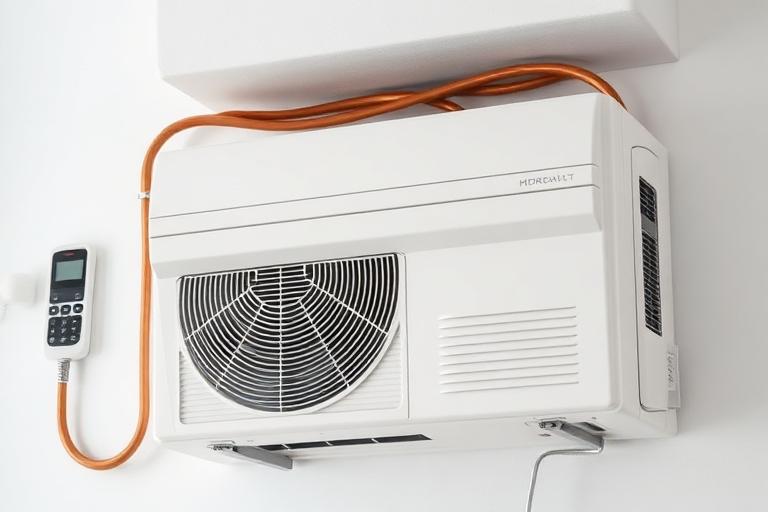
When an air-conditioning unit in a Can Baró home or business cools poorly, drips or stops unexpectedly, describing the symptom is more useful than guessing the replacement part. Weak airflow is different from normal airflow at an insufficient temperature. Dripping water does not automatically indicate a refrigerant leak: condensate drainage and the sealed refrigerant circuit are separate systems. This page helps prepare a precise commercial enquiry without claiming that every property in the neighbourhood has the same installation or that work has previously been completed there. The equipment, access conditions and required permissions must be checked individually.
Record the symptoms without opening the equipment
Note the make, model, approximate age if known, number of indoor units and any displayed error code. Explain whether the issue occurs in cooling, heating or both, and whether it appears immediately or after sustained operation. Check only user settings and accessible filters in accordance with the manufacturer's instructions. A blocked air inlet may reduce performance but is not a reason to open electrical covers. Stop using the unit if water threatens a socket or if there is smoke, sparking or a burning smell. Do not climb onto roofs or lean outside to photograph an outdoor unit. Safe photographs of the label and general installation are often more useful than an unsupported diagnosis.
Distinguish drainage, airflow and refrigeration
A partially blocked drain, unsuitable pipe fall or failed insulation may each cause water to appear in different places. Poor cooling can arise from airflow, controls, sensors, dirt or refrigerant-system faults. Simply adding refrigerant without investigating a suspected leak is not a sound diagnosis. Ask the contractor to separate visual observations from technical measurements. Refrigerant work requires the relevant procedures and competent personnel, not home experimentation. A unit restarting after cleaning does not prove the underlying fault has been resolved. Agree which operating conditions will be tested at handover, what observations will be recorded and what symptoms would warrant further investigation.
Access, communal areas and safe installation
Can Baró is a Barcelona neighbourhood, not a specification for the building's outdoor-unit location or ownership arrangements. Before replacing equipment or altering pipe routes, establish who can authorise work on façades, roofs, courtyards and communal services. Spain's RITE is a relevant technical reference where the work falls within its scope; it does not grant permission for a particular installation. Ask about condensate discharge, future maintenance access, noise, protection of finishes and removal of the old appliance. Keep passageways clear and ensure the intervention does not leave loose cables, water or parts where residents may pass.
A written scope and a meaningful handover
Request a written distinction between diagnostic attendance, testing, labour, parts, tax, special access and disposal where applicable. User-filter cleaning, drain repairs, electrical faults and opening a refrigerant circuit are different tasks and should not be hidden inside an unexplained service charge. The Catalan Consumer Agency advises obtaining a quotation and communicating additional costs for acceptance. If another fault is found, ask for a revised explanation and scope before authorising extra work. At completion, request the results of agreed checks, instructions, invoice and any remaining limitations. Neither a final price nor an appointment is confirmed merely by submitting an enquiry.
Describe the air-conditioning fault in Can Baró and request a written assessment. Sending an enquiry does not guarantee a visit, price or availability.
