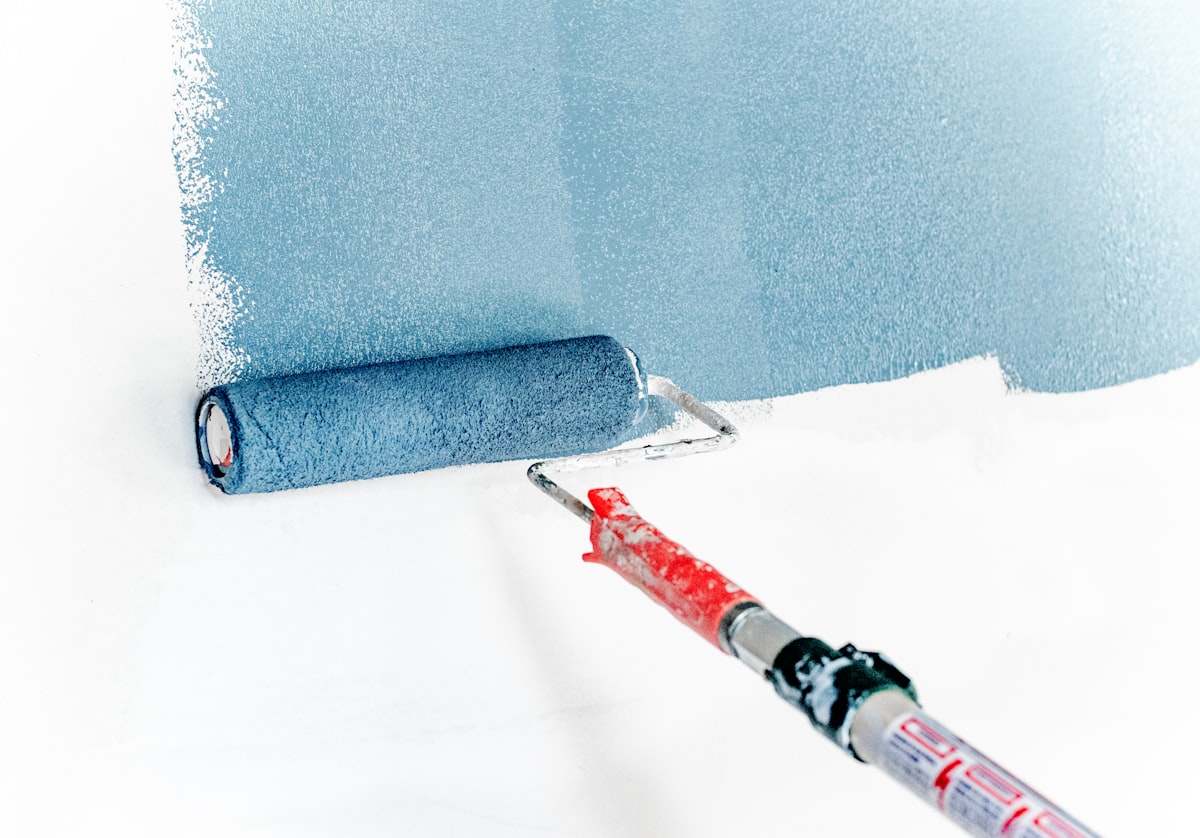
In La Vila de Gràcia, assess loose paint, stains and cracks before choosing a colour. Dusty or flaking surfaces will not support a lasting finish. State the rooms, heights, ceilings and furniture to protect. Side-lit photographs reveal uneven areas. If a stain returns after rain or bathroom use, investigate leaks or condensation before painting over it.
Preparation and cracks
A superficial paint crack is not necessarily a structural defect. Note its width, route and whether it is growing; progressive cracks need appropriate assessment. Preparation may include cleaning, removing loose layers, filling, sanding and compatible primer. Not every filler suits a moving junction between materials. Painting over active damp can make deterioration worse. Agree which repairs are included. Before decorating in La Vila de Gràcia, separate unexplained stains from ordinary wear. A mark that changes after rainfall may call for an investigation of water ingress; recurring mould in a corner may require assessment of ventilation, thermal bridges and indoor humidity. Decorative paint cannot replace fixing the cause. Photograph affected areas on different days and note loose or hollow-sounding coatings. A crack that is widening or displaced should be assessed before filling. Substrate preparation matters as much as the finish: cleaning, drying, compatible repairs, priming and intervals between coats should follow the product's technical instructions rather than guesswork.
Paint and ventilation
Specify matt, satin or washable finishes according to use. Follow the manufacturer's guidance on preparation, dilution and drying. Moisture-resistant paint cannot repair a leak. Do not mix incompatible products and ventilate properly. Mention children, pets or sensitivities. Doors, frames, radiators and skirtings may need different primers or coatings and should be listed separately. To compare quotations, provide approximate wall areas, ceiling heights, the condition of the surfaces, the number of rooms, existing colours and the required finish. Ask the painter to specify substrate repairs, protection, anticipated coats and whether fittings will be removed or worked around. Strong colours and substantial colour changes can need different preparation, but a universal coat count cannot be promised. In an occupied home, agree ventilation and when rooms can safely be used again according to the product guidance. At handover, inspect in daylight and artificial light, check corners, skirting and splashes, and list any remaining touch-ups before treating the job as complete.
Protecting the home
Agree who moves furniture and how floors and fittings will be covered. Work room by room without blocking shared routes. Keep liquids away from electrical accessories. High ceilings need safe access rather than improvised furniture. Inspect edges, roller marks, sheen differences and splashes under suitable light. Late touch-ups can remain visible.
Quote and handover
Request rooms or area, preparation, repairs, primer, paint, expected coats, protection, cleanup and taxes. The Catalan Consumer Agency explains quotation and invoice obligations. No local rate or availability is verified. Keep the colour reference and check that coverings are removed without damage. Investigate recurring stains before repainting.
Describe the job and request written terms.
