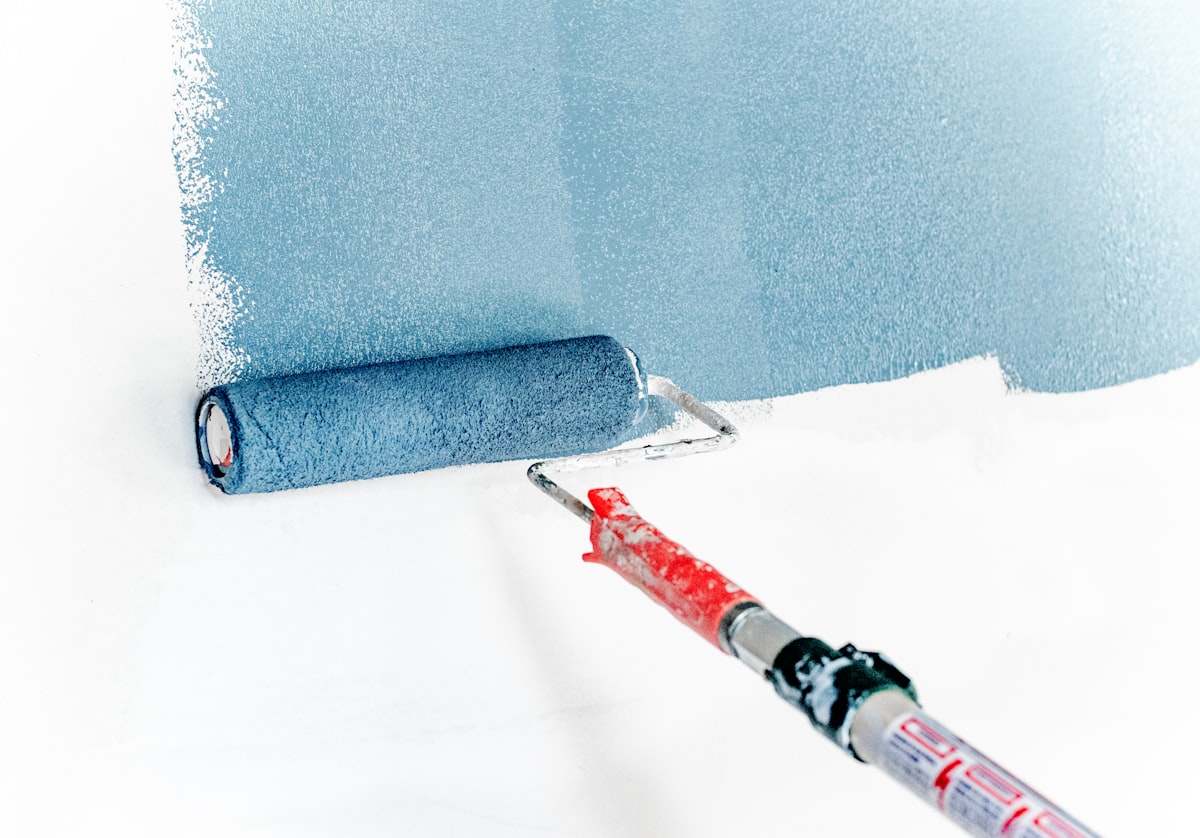
Painting a home or commercial space in la Guineueta involves more than selecting a colour. A stained ceiling, a varnished door that rejects another coat and a greasy kitchen wall need different preparation. Before pricing paint by area, establish the substrate, existing finish and any underlying defect. A neighbourhood label cannot tell us the condition of an individual building; every surface needs its own assessment. The aim is a maintainable finish that does not conceal moisture problems or interfere with working doors and fittings.
Diagnose walls, ceilings and woodwork before decorating
The initial inspection separates surface dirt, unexplained stains, poor adhesion and deterioration of the underlying material. A wall may look flat but release powder when rubbed, leaving an unreliable base for another coat. Blistering and peeling can result from moisture, inadequate preparation or incompatible layers. Note whether the problem returns after ventilation, follows rain or appeared after earlier repairs. Such observations help direct an investigation but do not prove a cause by themselves. On ceilings, check cracks, water marks and junctions around services. A dry stain may need cleaning and an appropriate blocking treatment before finishing. If water is still entering, locating and fixing the source comes first. Spain's CTE DB-HS covers building health and moisture requirements where applicable, but it cannot diagnose a particular leak from a photograph. Progressive cracking or loose substrate may require another trade before any painting work. Kitchens deserve particular attention to grease and cleaning residues. A barely visible film can prevent adhesion. Trial cleaning and an adhesion check on a controlled area can be more useful than immediately coating every wall. In bathrooms, consider ventilation, condensation and the condition of joints. A paint marketed for humid rooms cannot fix a plumbing leak or compensate for inadequate ventilation. For doors, skirting boards and railings, identify both the material and previous coating. Varnished timber, painted metal and laminate surfaces cannot automatically share one system. Protect hinges, locks, seals and moving parts. Before sanding, assess dust and the nature of the old finish. A coating designed for plaster may fail on a glossy enamel if the surface is not prepared and the products are incompatible. Preparation includes covering floors, furniture, sockets and joinery; removing loose layers without unnecessary damage; cleaning; repairing stable cracks with suitable materials; allowing drying; applying primer where appropriate; and following the product's technical instructions. Primer cannot make a crumbling substrate sound. The number of coats and drying intervals depend on absorption, colour contrast and the chosen product, not on a universal promise of two coats. During application, check ventilation, cutting-in, consistent sheen and accidental splashes. Spain's INSST describes the risks associated with certain solvents and relevant precautions. Water-based products also require their safety information to be read. Paint and solvent residues should not be poured down drains. At completion, inspect surfaces in adequate light, test doors and windows, and confirm cleaning and waste arrangements.
When repainting is enough and when repairs come first
If the old coating is sound, the substrate is dry and the problem is ordinary cosmetic wear, light preparation and a compatible finish may be enough. Localised peeling calls for removing loose material and checking the remaining edge. Where plaster crumbles, a lining is hollow or water is still present, repainting would conceal the defect. The correct sequence may begin with substrate repairs, leak detection or partial replacement. A battered door might need its edges and fittings repaired before it is enamelled. Where laminate is lifting or timber is seriously damaged, compare repair with replacement instead of paying for a finish unlikely to last. Repeated stains call for a reasoned explanation of the cause and any uncertainties that remain until inspection.
Choose primers and enamels for the actual substrate
For walls, consider absorbency, porosity, alkalinity, cleaning needs and whether a matt or satin finish is appropriate. Fillers differ in permitted depth, flexibility and substrate compatibility. Timber may require a different system from metal. On a metal railing, corrosion and primer compatibility need checking before the topcoat. Previously varnished surfaces should be tested for adhesion before deciding whether the old coating can remain. No brand can be recommended responsibly without knowing the conditions. Ask for technical sheets, precise colour references, drying requirements and maintenance advice. A sample helps judge colour and sheen in the room's light, but a new finish may not match an aged surface exactly. The quotation should explain how alternatives will be approved if the substrate differs from expectations.
Itemise preparation as well as the painted area
A useful quote separates ceilings, walls, doors, skirting, metalwork and other joinery. For each item, describe protection, cleaning, removal of loose coatings, crack repairs, primer, finish and final making-good. Materials, waste handling, taxes and exclusions should be stated. An occupied furnished room needs different protection from an empty one; height and access also affect the scope. There is no defensible fixed price simply because a property is in la Guineueta. Two quotations for the same area may include very different preparation. The Catalan Consumer Agency provides guidance on domestic services and contractual documentation. Compare the actual tasks and ask how hidden repairs would be authorised before accepting. A final price depends on the condition found.
