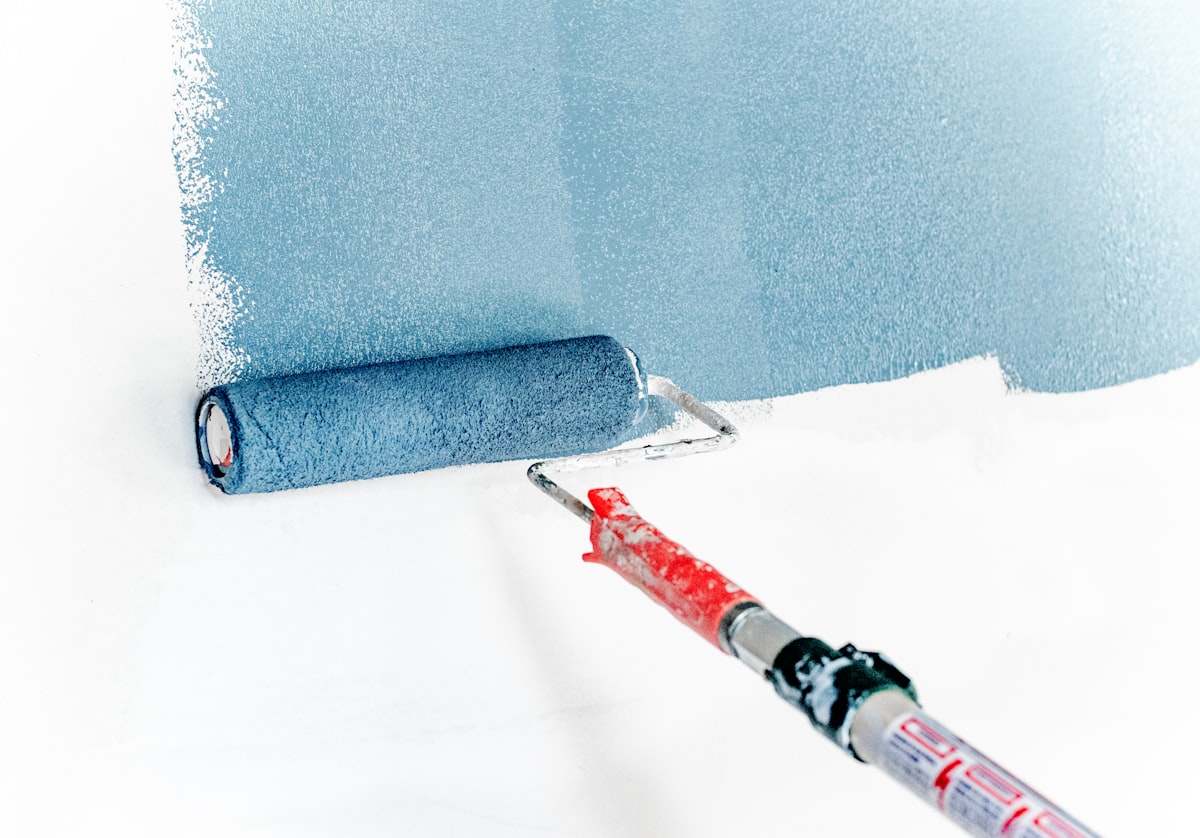
Painting a home or commercial interior in Diagonal Mar i el Front Marítim del Poblenou involves more than choosing a colour. Substrate condition, moisture, preparation, protection and the desired finish determine the work. Barcelona City Council places the neighbourhood in Sant Martí, but that does not establish the materials or condition of any particular building. For a useful quote, describe approximate areas, existing paint, cracks, stains, occupied rooms and whether you need straightforward redecorating, a colour change or finishing after building work.
Inspect the surface before opening paint tins
A clean, sound painted wall needs different preparation from flaking paint, greasy surfaces or loose filler. Check the existing sheen, dust, adhesion, uneven absorption and texture. A yellow stain may be the residue of an old leak or evidence of an ongoing problem; establish the source before hiding it. On ceilings, distinguish superficial marks from joint cracking and movement. A widening crack or softened plasterboard calls for investigation rather than immediate decoration. The sequence may include cleaning, removal of loose material, controlled sanding, filling, priming where appropriate and the number of coats needed for the chosen system. Protect floors, joinery, switches, furnishings and equipment before preparation begins. In occupied premises, agree ventilation, access routes and safe storage of materials. Exterior work or areas requiring elevated access need separately planned equipment and safety measures. A realistic scope should specify which defects are repaired and which remain outside the decorating contract.
Deal with the cause before covering a stain
If paint blisters near a window, investigate joints, water ingress, condensation and ventilation before sanding and repainting. Dark spots on a cold wall may need moisture assessment rather than another coat. Avoid aggressive sanding of old, unidentified coatings until the risks of dust are considered. Building guidance covers health-related requirements including moisture and ventilation, although it cannot diagnose an individual room. After preparation and decoration, inspect adhesion, colour consistency under different lighting, edges, roller marks and removal of protective materials. Record stains that return instead of automatically attributing them to poor paint application. Decide whether a local patch is sufficient or whether the substrate needs wider repair. Painting can improve appearance and cleanability, but it cannot replace waterproofing repairs, structural work or necessary ventilation changes. A responsible quotation should explain these boundaries before the finish is selected.
Select paint for the actual substrate and use
Interior emulsion, woodwork enamel and coatings intended for damp-prone areas serve different purposes. Compare technical data, substrate compatibility, cleanability, sheen and expected maintenance rather than relying on a colour chart alone. Primer can help even out absorption or adhesion but cannot make a failing base sound by itself. Filled patches may show through the finish if their porosity differs from the surrounding wall. Changing a dark colour to a pale one can require a different coverage strategy; view samples under the room's actual lighting before approving the shade. Some solvents and cleaning agents present inhalation or skin-contact risks. The Spanish workplace safety institute INSST explains ventilation and prevention, and the safety data for each chosen product should be checked. Do not assume all domestic water-based paints carry the same risks as industrial coatings. If mould is present, diagnose moisture and ventilation before selecting a treatment. A durable finish depends on addressing the reason the old coating failed.
Compare preparation and finish, not just total price
Ask for measured areas of walls, ceilings, doors and other surfaces, with exclusions clearly marked. An itemised quotation should distinguish masking and protection, cleaning, crack repairs, filling, sanding, primer, paint specification, coat count, waste removal and final cleaning. Record the agreed colour reference, sheen, sample area and inspection criteria. A low headline price that omits substrate preparation may not be comparable with a proposal that includes repairs. Clarify who moves furniture, removes fittings and protects electronics. For occupied rooms, agree the work sequence, ventilation and conditions for returning the space to use without assuming a universal drying time. The Catalan Consumer Agency publishes guidance on written quotations and agreed changes. If scraping reveals hidden defects, request a revised diagnosis and price before extending the work. The neighbourhood name cannot determine a reliable price: measured area, height, access, existing condition and product choice matter. Keep the agreed scope and any later changes in writing.
For painting in Diagonal Mar i el Front Marítim del Poblenou, provide photos, approximate measurements and visible defects. Request separate line items for preparation, repairs and final finishes.
