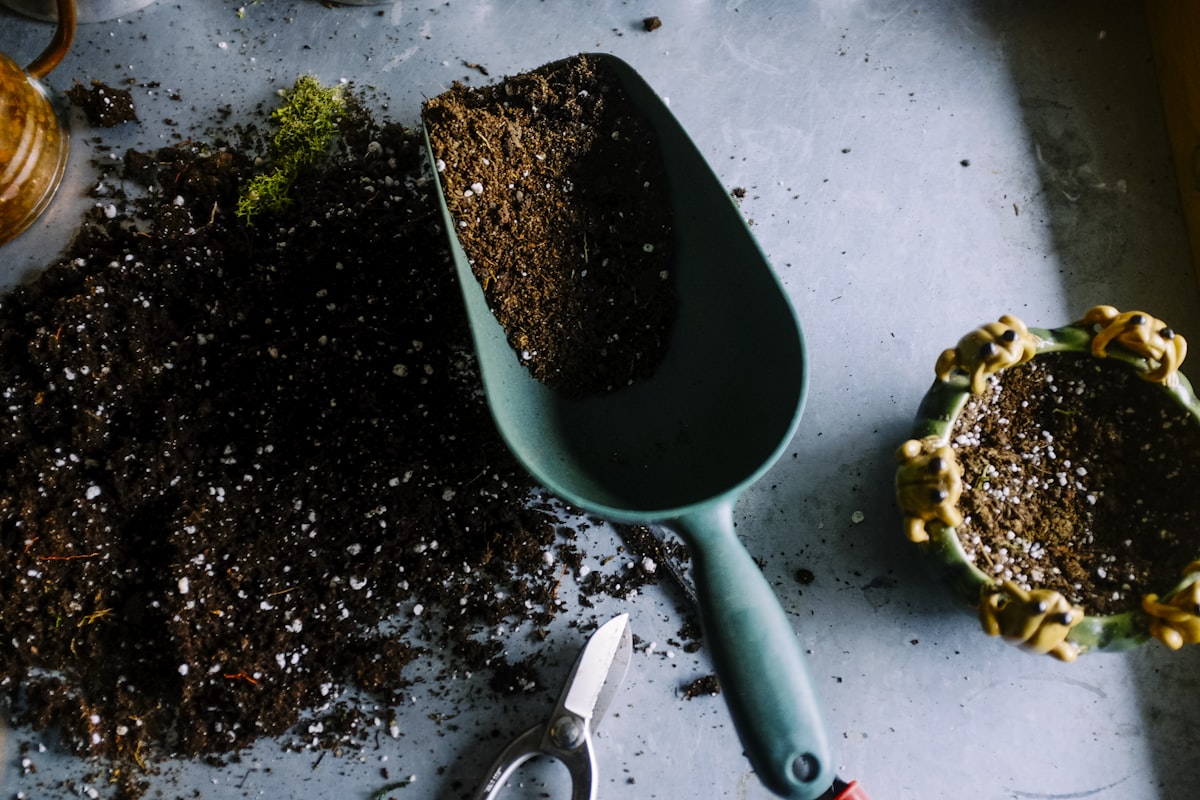
In el Carmel, a balcony planter with permanently wet compost or water marks beneath its base calls for distinguishing a gardening problem from a possible building leak. Excess watering, blocked drainage holes, a tray that is never emptied or compacted growing medium can retain water; failed waterproofing is a separate matter. Before requesting help, explain whether water escapes from the planter, pools on the balcony floor or appears on the façade. The neighbourhood identifies the enquiry area, not the construction of any particular balcony.
Separate planter drainage from balcony waterproofing
Observe what happens after ordinary watering or rain without deliberately flooding the balcony as a test. Does water remain on the surface of the compost, emerge from drainage holes or travel towards a joint in the paving? Is there a saucer, sealed tray or self-watering reservoir? Record watering frequency, approximate volume, plant type, container size and any stains on the façade or the ceiling below. A gardening professional can assess the structure of the growing medium, root congestion, container volume, drainage openings and how to retain enough moisture without keeping roots submerged. Roots can obstruct holes, while a permanently full tray reduces aeration. Yellow leaves alone do not prove overwatering; nutrient issues and heat stress can look similar. The balcony's fall and outlet are building elements distinct from the drainage of the planter. If water reaches the flat below, changing compost may not fix a defective waterproof layer. The Spanish Technical Building Code's DB-HS covers protection from moisture, but applying it to an individual repair requires a technical assessment. Broader gardening work can include pruning, repotting, irrigation and plant care; the quotation should distinguish those tasks from building waterproofing. An appropriate diagnosis avoids blaming a single plant for an uninspected structural problem.
Protect neighbours, avoid falls and check water restrictions
If new staining appears on a façade, water drips into another home or persistent damp develops beside a balcony door, stop watering that may worsen the problem and notify building management where appropriate. Do not blindly seal a drain or cover it with stones and compost. A heavy planter on a railing or ledge needs a secure support; previous use is not proof that the fixing remains safe. Avoid lifting large waterlogged containers without help. Do not use harsh drain-clearing chemicals in a planter where they could harm plants, finishes or people. The Catalan Water Agency publishes watering restrictions that vary with the current drought stage. Check the rules actually in force before setting an automatic irrigation programme, rather than treating an old restriction as permanent. If water reaches electrical fittings or a planter could fall, seek the relevant specialist assessment promptly. The aim is to protect people, plants and the building together. A gardener should not claim to certify the structural safety of a railing or the integrity of a roof membrane without the relevant competence.
Choose a suitable medium, outlet and stable container
A planter needs adequate root space, an aerated growing medium and a water outlet suitable for its location. Adding gravel at the bottom does not guarantee drainage when the outlet remains blocked. A self-watering reservoir should follow the manufacturer's instructions and be assessed for filled weight and the plant's actual needs. Saucers can protect paving from splashes, but they require emptying and cleaning rather than storing standing water indefinitely. Sometimes a smaller container, plants with compatible water requirements or relocation to a safer drainage area is preferable. For drip irrigation, ask about emitter flow, programming, a shut-off valve and leak checks. A new pot cannot be promised to repair a damaged waterproof membrane. Choose materials that avoid sharp edges, tipping and discharge onto the public footway or a neighbour's balcony. Document which components can be reused and which require replacement. A sensible maintenance plan includes checking outlets after repotting and adjusting irrigation to weather and restrictions.
Keep gardening and building repairs as separate quotation items
Request a written estimate separating attendance, diagnosis, removal of old compost, root inspection, clearing drainage holes, new growing medium, container or tray, irrigation installation, transport, waste disposal, taxes and any agreed follow-up. If a building leak is suspected, ask for a separate waterproofing and paving assessment by a competent professional, with community authorisation where required. The Catalan Consumer Agency recommends clear prior estimates and consent before additional costs. There is no universal planter repair price in el Carmel: volume, access, weight, plant selection, materials and surface protection affect the work. Compare quotations that explain how both waterlogging and uncontrolled runoff will be avoided. Simply adding compost to a container without drainage may leave the fault unchanged. Avoid promises about plant survival or response times without knowing the conditions. Request an invoice and watering guidance that reflects the water restrictions in force. The municipal Barcelona guide confirms el Carmel's location, not a previous job or the presence of a local crew.
For gardening in el Carmel, describe the planter's size and position, whether it has drainage holes or a saucer, when water appears and whether stains extend beyond the container. Provide safe photographs and ask to separate plant drainage from any waterproofing work.
