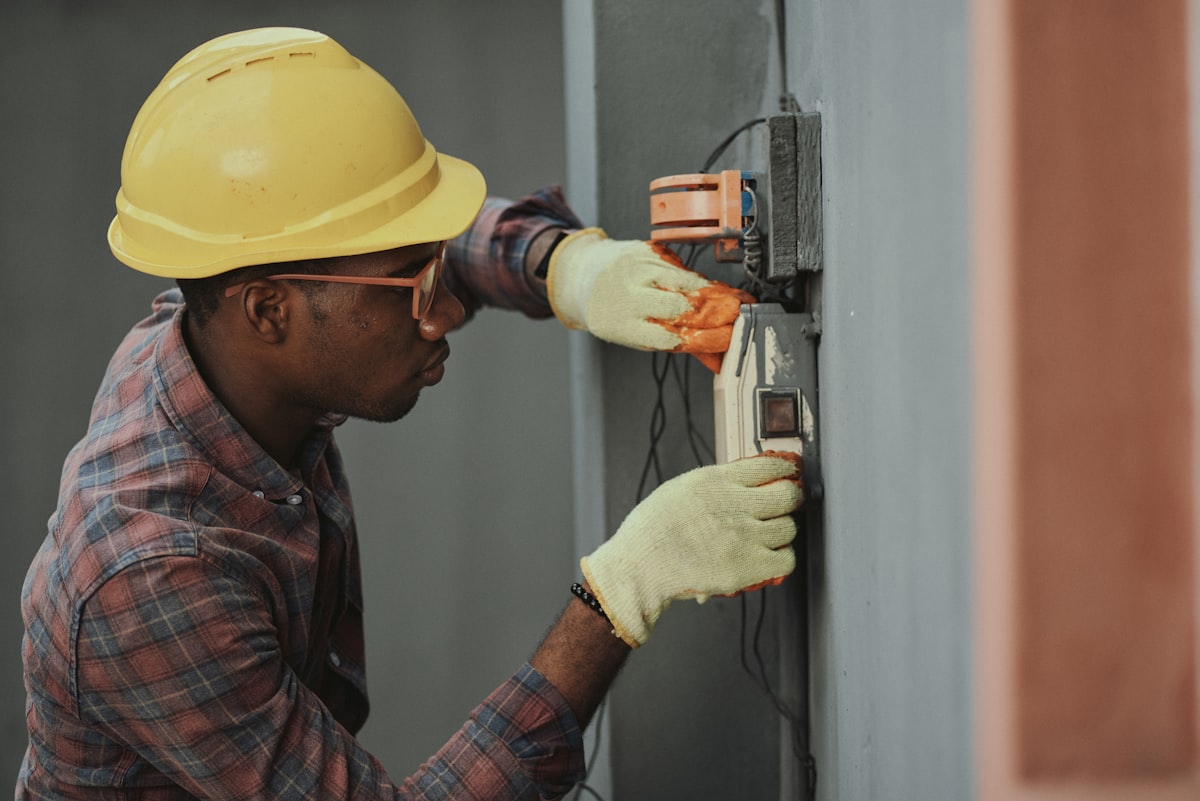
When requesting an electrician in La Marina del Prat Vermell, describe the fault before asking for a new consumer unit or extra socket. A breaker that trips when the oven starts, a warm socket and a flickering light may have different causes. State whether the whole property or just one circuit is affected, when it began and which appliances were running. Photograph the closed consumer unit and the affected area without removing covers or touching wiring. A neighbourhood name identifies the service location but does not establish the age or condition of an individual installation. The aim is to obtain a properly scoped inspection and a written estimate rather than an assumed replacement.
Separate an appliance fault from a circuit problem
Explain which protective device operates and which rooms lose power. A residual-current device and a circuit breaker serve different protective purposes, so they are not interchangeable fixes. Faulty appliance insulation, a loose connection and excessive load require different investigations. For a proposed new supply to an oven, air-conditioning system or vehicle charger, the design needs to consider load, cable route, conductor sizing, protective devices and any required documentation. Spain's Low Voltage Electrical Regulation sets technical requirements and rules for electrical installation businesses. An additional socket cannot simply be attached to any convenient circuit without checking its suitability. Ask what measurements justify the proposed remedy.
When to stop using a circuit
If you notice burning smells, smoke, sparks or unusual heat, stop using the affected point and keep people away. Do not repeatedly reset a protective device that continues to trip. Where there is immediate danger, prioritise safety and the appropriate emergency services. Do not open the consumer unit or remove socket fronts: parts may remain live even when a circuit appears switched off. Tell the electrician about water or dampness near electrical fittings. Note whether the issue occurs during rain, when one appliance runs or when several loads operate together, but do not deliberately recreate a hazardous fault. Testing and proving circuits safe are tasks for a competent electrician.
Correct ratings and retained safety protection
A breaker, residual-current device, socket or cable must be selected for the actual circuit and regulatory requirements, not merely for appearance or brand. Incorrect ratings may undermine protection. Before authorising a replacement, ask what has been measured and why the component is unsuitable. Dampness, corrosion, damaged insulation or heat marks may mean nearby connections also need examination. Do not accept bypassed protective devices or improvised links to restore power. For alterations, clarify whether verification, a certificate or an authorised installation business is required; that depends on the scope. Keep the component references and test information for future maintenance. Electrical work should not be bundled into a general handyman task without checking competence and legal requirements.
Compare the written scope and inspect the handover
Request a quotation separating attendance, fault finding, repair labour, components, testing and any making good of walls. Replacing a socket is not the same as rewiring a circuit, and a major upgrade should have a stated technical basis. Ask whether chasing, plaster repairs, waste removal and any required certificates are included. The Catalan Consumer Agency advises that additional charges must be explained so customers can accept or reject them before work continues. At handover, request an explanation of the protective devices and circuits involved, the checks completed and any remaining limitations. Keep the invoice and relevant documents. If an appliance caused the problem, establish whether the appliance itself still needs separate repair.
Describe the affected circuit and symptoms, attach safe photographs and request a scoped electrical quotation.
