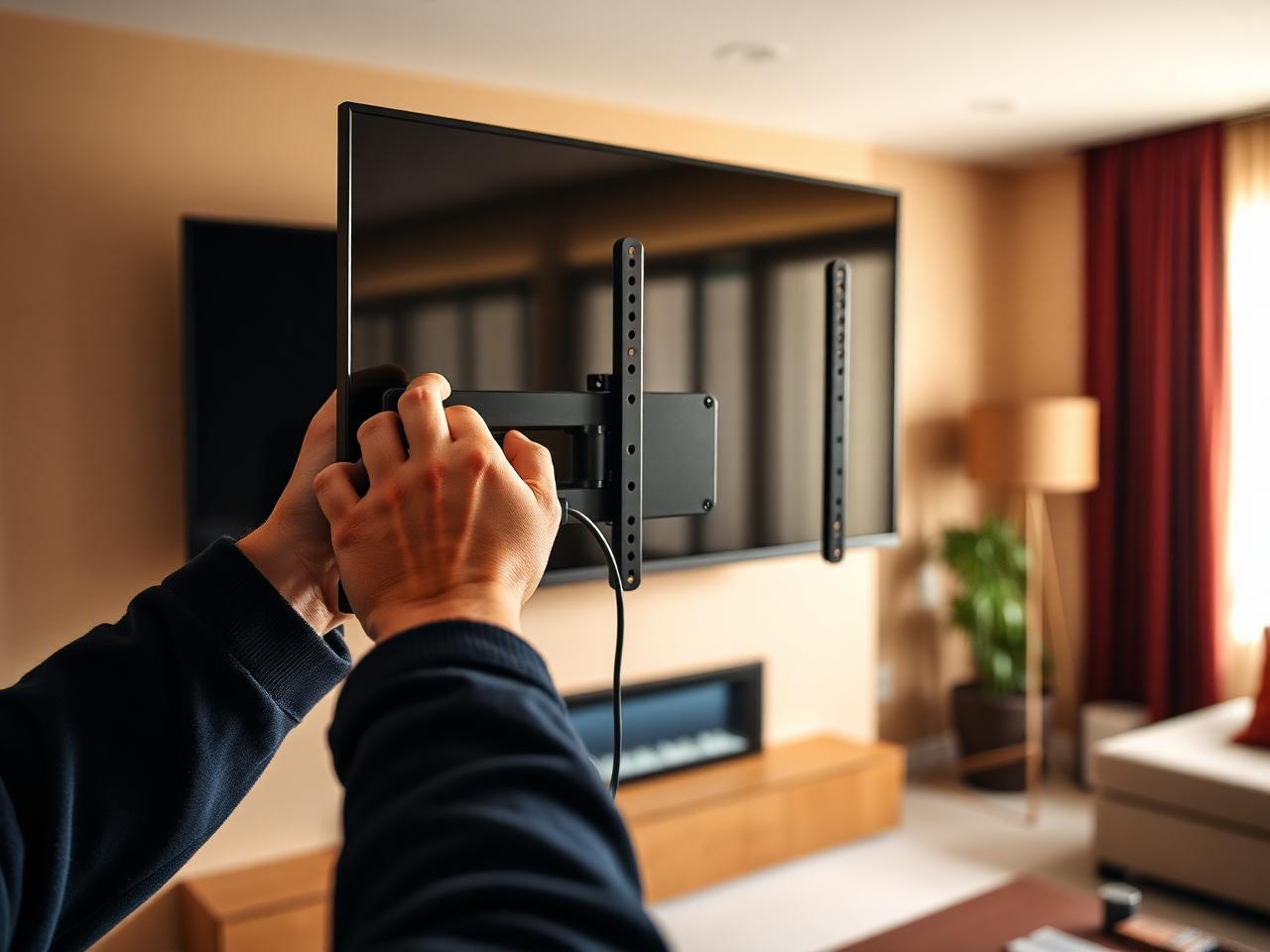
A television that loses its picture when the input changes, a remote that disconnects and a smart sensor that stops responding may have three separate causes. For a smart-home or TV enquiry in El Carmel, identify the device, power supply, signal path and intended outcome before selecting replacement parts. The neighbourhood does not tell us what a wall is made of, how an electrical circuit is installed or whether a wireless signal will reach a room. A useful enquiry describes observable symptoms rather than assuming the first suspected component is faulty.
Diagnosing the display, signal and control path
Begin by separating the symptoms. If a television plays streaming applications but cannot show aerial channels, check the selected input, aerial connection and any receiver in between. If a games console works with another display, that comparison helps narrow the fault to a port, cable or setting. Picture problems that occur only at a particular resolution call for compatibility checks across the source, connection, receiver and television. A cable's marketing description is not proof that it will correct the fault. For connected devices, record which component sends the instruction, which one should respond and what happens when the instruction fails. A wall switch that works while its mobile application does not points to a different test from a relay that also fails locally. Power, wireless coverage, hub, supported protocol and user permissions should be checked separately. Passwords do not belong in an initial enquiry. It helps to say whether the issue began after a router change, an application update or the replacement of another device. For television mounting, check the actual weight, mounting pattern, movement of the bracket and space for ventilation and connections. Identify the wall substrate and possible concealed services before drilling. A decorative surface does not establish the strength of what lies behind it. Where the fixing capacity is uncertain, request an assessment before making holes. Cables must be protected from strain, heat and sharp edges. Work on fixed electrical wiring is a different scope from mounting and connecting consumer equipment.
Deciding between repair, settings and replacement
An incorrect input, a lost pairing or a changed setting may be resolved without replacing a device. Physical damage to connectors, bent brackets, crushed leads or power faults requires a comparison of repair and replacement based on safety, parts availability and scope. Replacing a television before checking the signal source risks leaving the original problem unresolved. If a connected product controls a lock, alarm or camera, establish what happens during an internet outage and who holds administrator access. A camera that could capture people outside a private area raises data-protection questions; fitting it does not authorise every recording angle. If a device produces sparks, smells burnt or becomes abnormally hot, stop using it and arrange appropriate inspection rather than opening live equipment. For an initial assessment, provide the model number, photographs of the proposed position, relevant measurements, a short symptom history and any tests already carried out. Access constraints matter, but network passwords and personal account details should not be submitted with the first request.
Fixings, connections and compatibility
Choose a mounting bracket according to its rated load, fixing pattern, required movement and the wall's actual construction. Screen size is only a guide. Anchors suited to solid masonry may be unsuitable for a hollow partition. An articulated arm also needs room to move without striking furniture or pulling on plugs. Visible trunking, an existing cable route and alterations to the wall are distinct items of work and should not be bundled without explanation. With HDMI, identify the feature needed: picture format, audio return, resolution or refresh rate, and check support at both ends. Terrestrial television reception is separate from internet streaming. Wireless signal strength, wired network access and a smart-device protocol are not interchangeable. A connected light or sensor may need a particular hub or software version; shared branding does not establish universal compatibility. Any work on fixed electrical circuits must meet the applicable requirements and be assigned to a suitably competent person. Spain's low-voltage electrical rules provide a framework for fixed installations, not a reason to improvise connections. The quotation should distinguish diagnosis, physical installation, device configuration and repair of the product.
What an itemised quotation should explain
Ask for separate lines covering diagnosis or attendance, bracket and fixings, physical mounting, cable protection, network setup, device integration and final checks. The proposal should state who supplies components, which details remain subject to inspection, how waste is handled and what is excluded. If photographs cannot establish the wall construction, the quotation should make that uncertainty explicit rather than treating the fixing method as settled. Where both options are sensible, compare a limited repair with replacing the faulty component. Explain the technical reason and difference in scope without inventing a local price. Any newly discovered work should be costed and agreed before it is undertaken. At completion, check the picture, sound, bracket stability, remote controls and the connected products actually included in the order; the entire home's technology is not automatically part of the job.
To request a smart-home or television assessment in El Carmel, describe the model, main symptom, connections used and whether you need fault finding, mounting, setup or replacement. Photographs of the device and wall can help define the scope. Ask for a written breakdown of labour, materials and testing; availability and timing must be confirmed separately.
