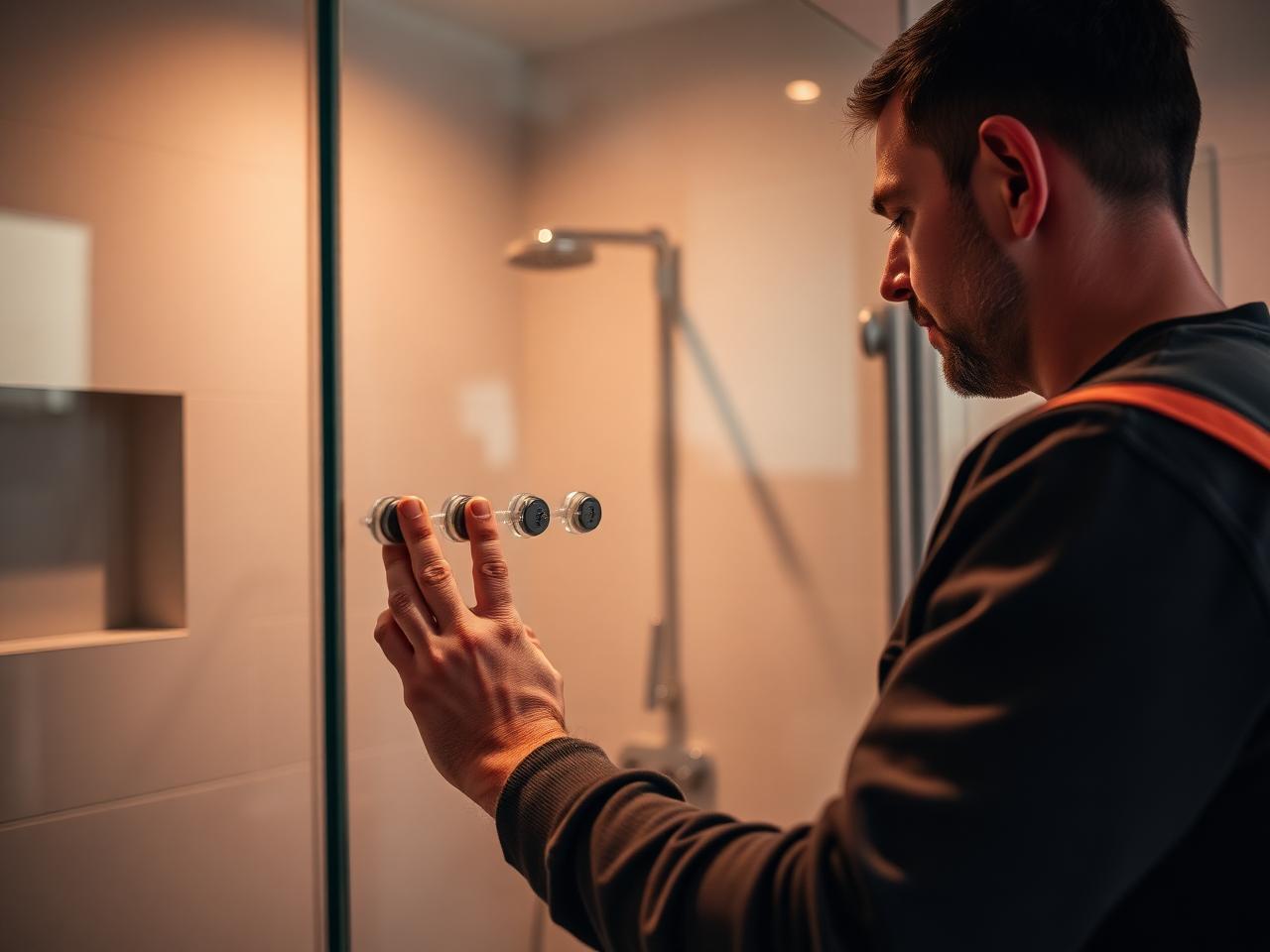
A mirror that vibrates when a door closes in La Marina de Port calls for a different assessment from a cracked windowpane. The first problem may concern fixings, wall substrate and edges; the second involves glazing position, impact safety and the window assembly. Glazing work may also cover shower screens, glass shelves, internal doors and sealed units. A neighbourhood name tells us nothing reliable about the materials or condition of a particular home.
Assessing mirrors, glass fittings and window assemblies
Start by identifying the item, its function and who could come into contact with it. Ordering a pane from an approximate measurement is not a safe diagnosis. A front-facing photograph may hide a chipped edge or loose fixing. Provide overview and detail images without touching cracked glass, and leave final measurements to a competent inspection where necessary. The appropriate glazing depends on position and use as well as dimensions. A mirror that moves or shows dark patches near its edges can have several distinct faults. Mechanical fixings may be loose, an adhesive may be unsuitable, moisture may have affected the backing or the wall may not provide reliable support. For mechanical mounts, examine anchors, load distribution and the wall material. For bonded mirrors, the adhesive and preparation of the surface matter. Do not pull a large mirror away from the wall to investigate. Damaged edges or a risk of falling may justify controlled removal and replacement; an accessible fixing may be repairable if the assembly can be made safe. Glass shelves require assessment of the unsupported span, support points, intended load and edge condition. A small chip beside a bracket may concentrate stress, and polishing it does not necessarily restore strength. Thickness cannot be specified reliably from a photograph alone. An internal glazed door raises different questions: hinges, clearance, closing mechanism and likelihood of impact. If a pane is cracked, keep people away rather than pressing on it to see whether it still holds. The replacement must suit the location and applicable safety requirements. A shower screen combines glass, rollers or hinges, profiles and seals. A leaf that catches may have an alignment fault, worn hardware or debris in a track. Water escaping at the bottom may involve a seal or the junction with the tray rather than the glass itself. Replacing the pane will not automatically correct a leaking joint. Check movement, stops, stability and seal condition separately. Toughened glass must not be cut or drilled after manufacture; a damaged or incorrectly sized panel may need to be made again to verified dimensions. At a window, establish exactly where moisture appears. Drops on the room-facing surface may relate to indoor humidity, temperature and ventilation. Mist trapped between the panes of a sealed double-glazed unit suggests a different failure. Water around the frame may come from seals, drainage or the junction with the surrounding wall. Replacing the glazing is not the answer to every damp patch. Inspect the frame, sash, drainage and gaskets before deciding what needs attention. The Spanish Building Technical Code provides guidance on health and moisture, but the actual opening must still be assessed. If the aim is better thermal or acoustic performance, consider the entire window. Frame, spacer, gaskets, installation and possible thermal bridges all influence results. A higher-performing sealed unit may disappoint if the sash leaks air. Glass composition, thickness, coatings and impact protection must be selected for the specific application. Do not promise a fixed energy saving or noise reduction without reliable information about the assembly and building. Surface condensation should not be confused with a failed sealed cavity. Safe handling and removal need their own plan. Consider how people and floors will be protected, how the glass can be carried out and whether access requires specialist equipment. Keep broken fragments away from children and animals; tape is not a permanent repair for unsafe glazing. Doors and other impact-prone positions need appropriate safety assessment. The Building Technical Code's safety-of-use guidance is a relevant official reference, not a substitute for inspecting the particular installation. At completion, check accessible edges, fixings, opening and closing, seals and remaining fragments. Record what was replaced, which hardware was adjusted and which problems with the frame, wall or surrounding moisture remain unresolved. A new mirror cannot strengthen an unsuitable wall, and a new sealed unit cannot repair a leak through the facade. Keeping these scopes separate makes the quotation and handover more useful.
Adjust, repair or replace?
A loose profile, an accessible seal or compatible hardware may permit a local repair. Cracked glazing, serious edge damage or a failed sealed unit may require replacement. The decision depends on use, possible impact, load, safety and compatibility with the existing frame. Damaged timber, metalwork or wall substrate should be assessed and quoted separately rather than hidden within a glass-only price.
Glazing types, edges and safe fixings
Laminated glass, toughened glass and insulated units serve different purposes. Specify verified dimensions, composition, thickness, edge finish, seals and hardware following the relevant assessment. Do not drill toughened glass after production or reuse doubtful anchors for convenience. The Spanish Building Technical Code provides safety and energy requirements; no product performance rating should be invented without its documentation.
An itemised glazing quotation
Ask for separate lines covering survey and measurement, safe removal and disposal, fabrication, glass specification, fittings, seals, transport, access equipment, installation, testing and tax. State whether the item is a mirror, shelf, shower screen, door or window. Supply photographs without handling unstable glass. Ask how damaged supports or frames will be treated if discovered. La Marina de Port is a location, not a basis for inventing a fixed price.
