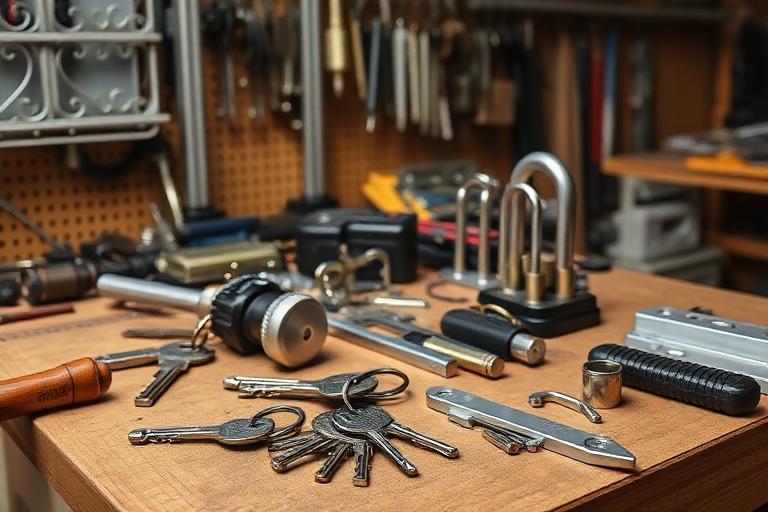
When something in a property stops working, replacement should not be the automatic first step. Describe the fault, what still works and its real effects. The enquiry concerns locks and cylinders. A key turning without opening, damaged cylinder and misaligned door may require different parts; check latch and strike plate. Sant Martí de Provençals belongs to Barcelona's Sant Martí district in the city's municipal boundaries. This identifies the area, but says nothing about the materials, services or access conditions of a particular property. For an occupied home, agree how furniture, services and normal access will be protected without assuming all tasks can be done while residents remain present.
Fault scenario to assess: Who can authorise a change to a communal entrance lock?
Before changing a shared entrance lock, establish whether it belongs to a building-wide system using common keys, electronic access or links to other entrances. Do not commission a unilateral alteration. Ask the managing agent or authorised representative who may approve the work and which keys, fobs or access arrangements could be affected.
Deciding on the appropriate repair
If the entrance fails to latch, the lock jams or access control is unreliable, report it to the building representative rather than dismantling shared equipment. Request a proposal covering compatibility, distribution of keys or credentials and final access testing. Authorisation and scope should be recorded in writing before any change.
Safety, responsibilities and permissions
Verify access rights; shared locks and escape doors must not be altered without authorisation. Keep access routes safe and protect others from loose pieces, cables, water or hazardous materials. A façade, roof, courtyard or communal installation may require permission from the party responsible for it. Knowing the address alone is not sufficient. If the work overlaps a renovation, coordinate trades and distinguish the original fault from changes arising during other tasks. Record the previous condition.
Arranging access in the neighbourhood: Sant Martí de Provençals
Sant Martí de Provençals belongs to Barcelona's Sant Martí district in the city's municipal boundaries. This identifies the area, but says nothing about the materials, services or access conditions of a particular property. Where residents, owners and managers all have a role, agree who supplies keys, receives the contractor and checks the premises afterwards. Confirm the actual access arrangements rather than assuming every building has identical rules. For a targeted repair, define a clear completion test: which symptom should cease and how it will be checked without creating further damage. Written scope, records and handover Ask for written diagnostic work, labour, materials, tax and any reinstatement of finishes. The Catalan Consumer Agency advises written quotations and notice of additional charges before acceptance. Retain an invoice and explanation of completed checks. For an occupied home, agree how furniture, services and normal access will be protected without assuming all tasks can be done while residents remain present. The document should explain how the particular repair will be verified, not merely list materials to be consumed. Verified neighbourhood context Sant Martí de Provençals has 27,035 residents in the 2026 municipal register and a neighbourhood-wide density of 368 residents per hectare, according to municipal figures compiled by BCN.DADES. When arranging a technical visit, provide the full address, building-access arrangements and the person authorised to approve changes to affected components. Neighbourhood density does not establish the actual installation type in this property. These figures describe the wider neighbourhood, not the individual premises.
Describe the problem in Sant Martí de Provençals, attach safe photographs and request a written assessment. Submitting an enquiry does not confirm a price or appointment.
