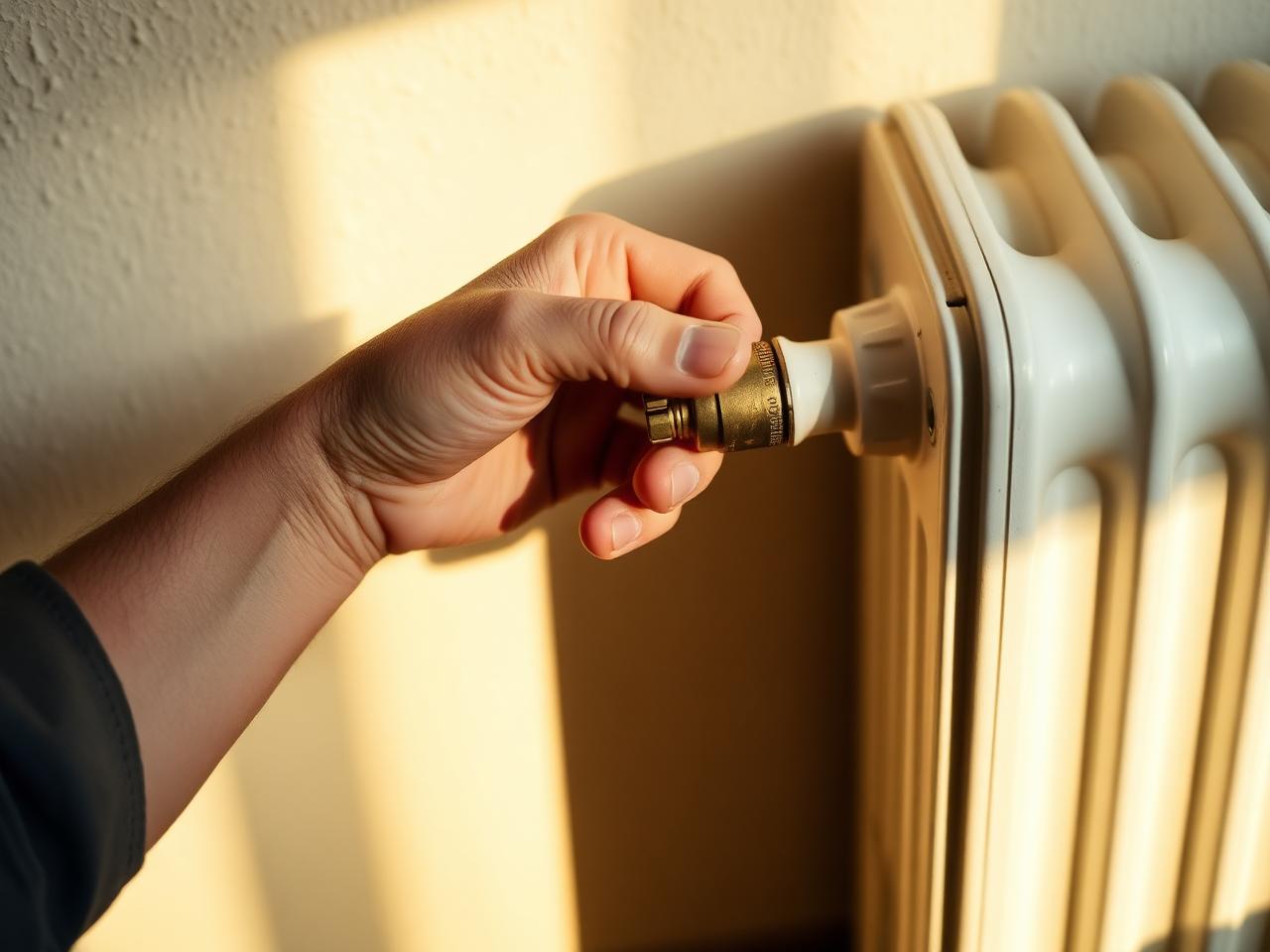
Before arranging a visit, establish whether the aim is to fix a fault, restore a function or change an installation. Each objective changes the assessment. The enquiry concerns radiators and faults. A radiator cold at the top, jammed valve and several cold circuits need separate tests; note system pressure and warnings. Porta belongs to Barcelona's Nou Barris district in the city's municipal boundaries. This identifies the area, but says nothing about the materials, services or access conditions of a particular property. For a shared element, distinguish permission to enter an area from permission to modify communal equipment; they are separate approvals.
Fault scenario to assess: What should I do if I smell gas?
Do not use switches or flames. Ventilate and shut off the gas only if safe, leave the affected area and call 112 from outside. Do not rely on a website enquiry during an emergency. If a gas leak is suspected, do not try to locate it by opening the appliance. Avoid flames, switches and equipment; leave the area and contact emergency services from a safe place. Follow the supplier's instructions. A website form is not an emergency channel.
Deciding on the appropriate repair
If you smell gas, do not submit a routine repair request: leave the property, avoid operating switches and call 112 from a safe place. Once the relevant emergency services confirm it is safe to return, arrange an inspection by a suitably qualified professional before using the installation again. Do not return or restart the installation until competent responders say it is safe. Afterwards, seek an assessment by an authorised professional and a record of the checks.
Safety, responsibilities and permissions
If you smell gas, do not operate switches or equipment; follow supplier and emergency guidance. Keep access routes safe and protect others from loose pieces, cables, water or hazardous materials. A façade, roof, courtyard or communal installation may require permission from the party responsible for it. Knowing the address alone is not sufficient. For an occupied home, agree how furniture, services and normal access will be protected without assuming all tasks can be done while residents remain present.
Arranging access in the neighbourhood: Porta
Porta belongs to Barcelona's Nou Barris district in the city's municipal boundaries. This identifies the area, but says nothing about the materials, services or access conditions of a particular property. Where residents, owners and managers all have a role, agree who supplies keys, receives the contractor and checks the premises afterwards. Confirm the actual access arrangements rather than assuming every building has identical rules. For commercial premises, confirm operating hours, responsible contacts and systems that must remain available. Repairs should not obstruct safe customer access. Written scope, records and handover Ask for written diagnostic work, labour, materials, tax and any reinstatement of finishes. The Catalan Consumer Agency advises written quotations and notice of additional charges before acceptance. Retain an invoice and explanation of completed checks. For a shared element, distinguish permission to enter an area from permission to modify communal equipment; they are separate approvals. The document should explain how the particular repair will be verified, not merely list materials to be consumed. Verified neighbourhood context Porta has 31,199 residents in the 2026 municipal register and a neighbourhood-wide density of 373 residents per hectare, according to municipal figures compiled by BCN.DADES. When arranging a technical visit, provide the full address, building-access arrangements and the person authorised to approve changes to affected components. Neighbourhood density does not establish the actual installation type in this property. These figures describe the wider neighbourhood, not the individual premises.
Describe the problem in Porta, attach safe photographs and request a written assessment. Submitting an enquiry does not confirm a price or appointment.
