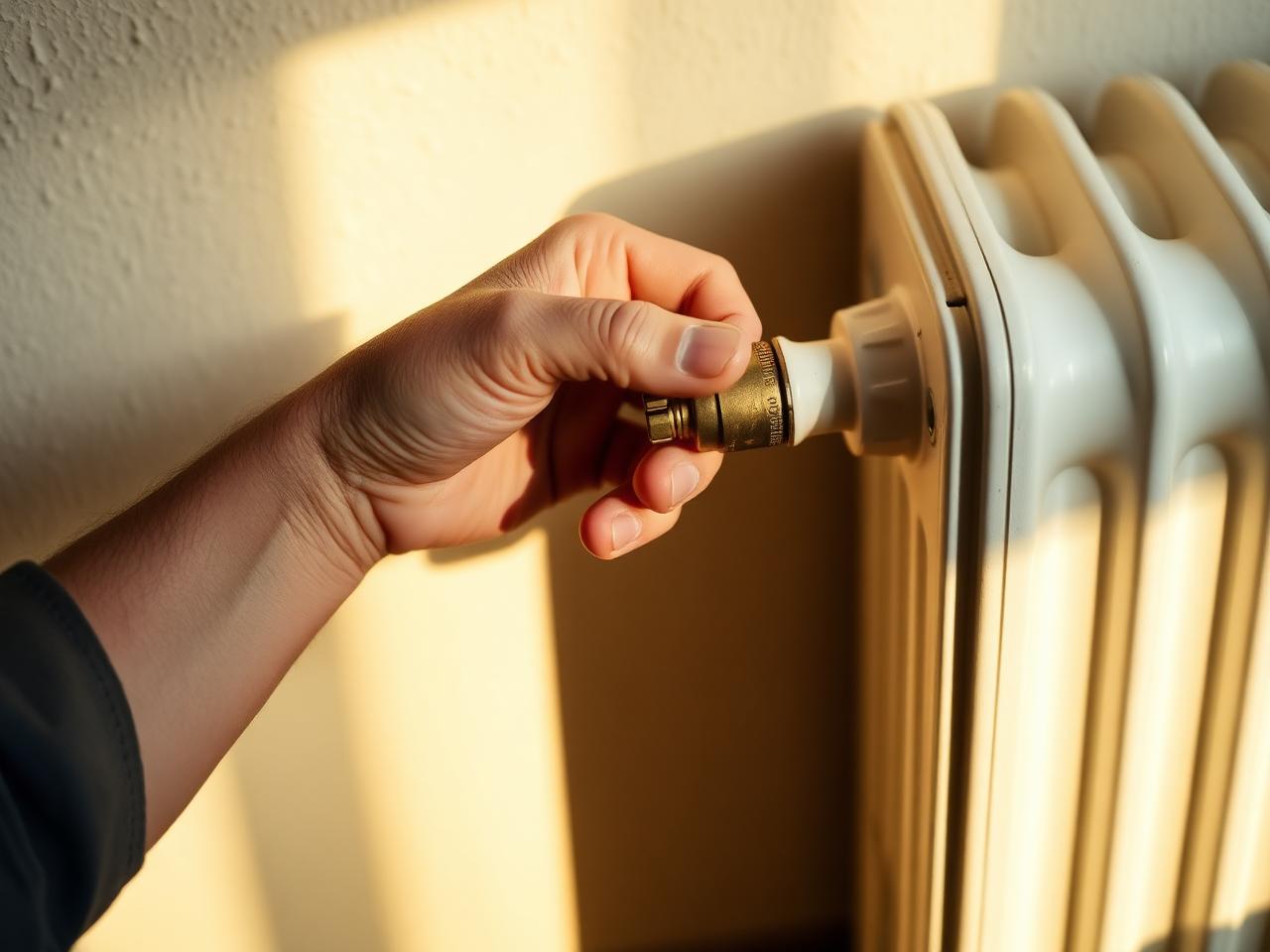
If a radiator gurgles and heating pressure repeatedly drops in La Marina de Port, bleeding it is not automatically the right answer. Noise can be linked to air, circulation, valves or thermal expansion, while pressure loss also calls for checks for leaks. A useful heating assessment separates symptoms from confirmed faults before deciding whether to adjust, repair or replace equipment.
Separating radiator noise from circulation and pressure problems
Start by describing the sound. Gurgling inside an emitter is different from a whistle beside a valve, clicking as metal warms or a knock when flow stops. Note the affected room, the timing and whether it follows a change in the heating schedule. Vibration can travel along pipework, so the loudest location is not necessarily where the problem begins. For a wet heating system, a professional inspection may compare pressure when cold and running, look at accessible joints for moisture, and assess air vents, lockshield valves, thermostatic controls and radiator brackets. A gauge reading needs to be interpreted against the manufacturer's instructions and the actual installation. A single number does not confirm a fault. If pressure keeps falling, repeated topping up is not a substitute for finding the cause. Bleeding radiators without following the appropriate procedure may also disrupt circulation and leave other emitters cold. Hydraulic balancing matters when some radiators warm quickly and others remain lukewarm. A poorly adjusted valve or insufficient flow can resemble an air problem. IDAE technical guides explain the importance of controls and heat distribution, but cannot diagnose an individual property remotely. If all radiators stop working together, the investigation may also involve the heat source and central controls. If only one is affected, the inspection can start with that emitter and its connections. Not every property has water-filled radiators. Heat pumps, electric emitters and communal systems require different checks. Never apply water-circuit venting instructions to another technology. Where heating is shared, work on communal components must be coordinated with the building manager or maintenance contractor. La Marina de Port identifies the area of the enquiry; it does not establish the building's layout, condition or equipment.
When to seek assistance and what to avoid
Request an assessment if pressure falls repeatedly, a valve drips, the noise becomes worse or a room no longer warms properly. A growing damp patch beside a connection may indicate a leak even if the heating still operates. Note any fault code and consult the user manual before resetting equipment. Do not loosen hot connections, disable safety devices or work on gas or electrical components. In communal heating, do not drain water or alter shared settings without permission. A fault that seems local can affect other homes connected to the same riser. If you smell gas, avoid operating switches, move away and follow the supplier's emergency instructions. Spain's RITE framework regulates thermal installations, and the required professional competence depends on the work being proposed.
Repairing a valve or bracket instead of replacing the system
A leaking valve may need a seal or compatible replacement part, while a badly damaged body may justify changing the assembly. A radiator clicking because of expansion may call for bracket or clearance checks rather than a new emitter. A flow-related whistle needs a review of regulation; changing the radiator without addressing circulation could leave the noise unchanged. Ask for the model, connection dimensions, materials and compatibility with working pressure and temperature. Serious corrosion, cracking or a damaged safety component can make a temporary repair inappropriate. A pump, expansion vessel or boiler should be proposed for replacement only when the diagnostic findings support it. Also clarify whether the work involves isolating, draining, refilling, venting and balancing the circuit. Request a record of the removed and fitted parts and an explanation of the final checks. An accessible adjustment is a different job from repairing a pressurised circuit. The quotation should reflect that distinction rather than hiding it in a single general description.
Comparing itemised heating quotations
Ask for separate entries covering attendance and diagnosis, tests, leak tracing, adjustments, labour, parts, consumables, draining, refilling, commissioning and final verification. If an access panel or finish must be removed, that should be identified as conditional work requiring permission. A reliable figure cannot be inferred solely from a neighbourhood name or the phrase 'the radiator makes noise'. Compare proposals by the fault each aims to resolve. If a pump is to be replaced, ask which test supports that choice. If balancing is recommended, ask what adjustments and checks will follow. Clarify what happens if the initial hypothesis is wrong, how extra work is authorised and how taxes are presented. The Catalan consumer agency gives guidance on home repair contracts; it does not certify that a particular contractor is available. Provide the exact address and access conditions when requesting work in La Marina de Port. Do not assume there is a lift, parking or convenient access from the area alone. For shared heating, establish who has authority to approve work on communal components.
To request a heating assessment in La Marina de Port, describe the noise, when it occurs, whether pressure falls and which rooms are affected. Include safe photographs of controls and visible connections without removing covers. Ask for a proposal separating diagnosis, repairs, materials and final tests rather than replacing equipment on an unconfirmed assumption.
