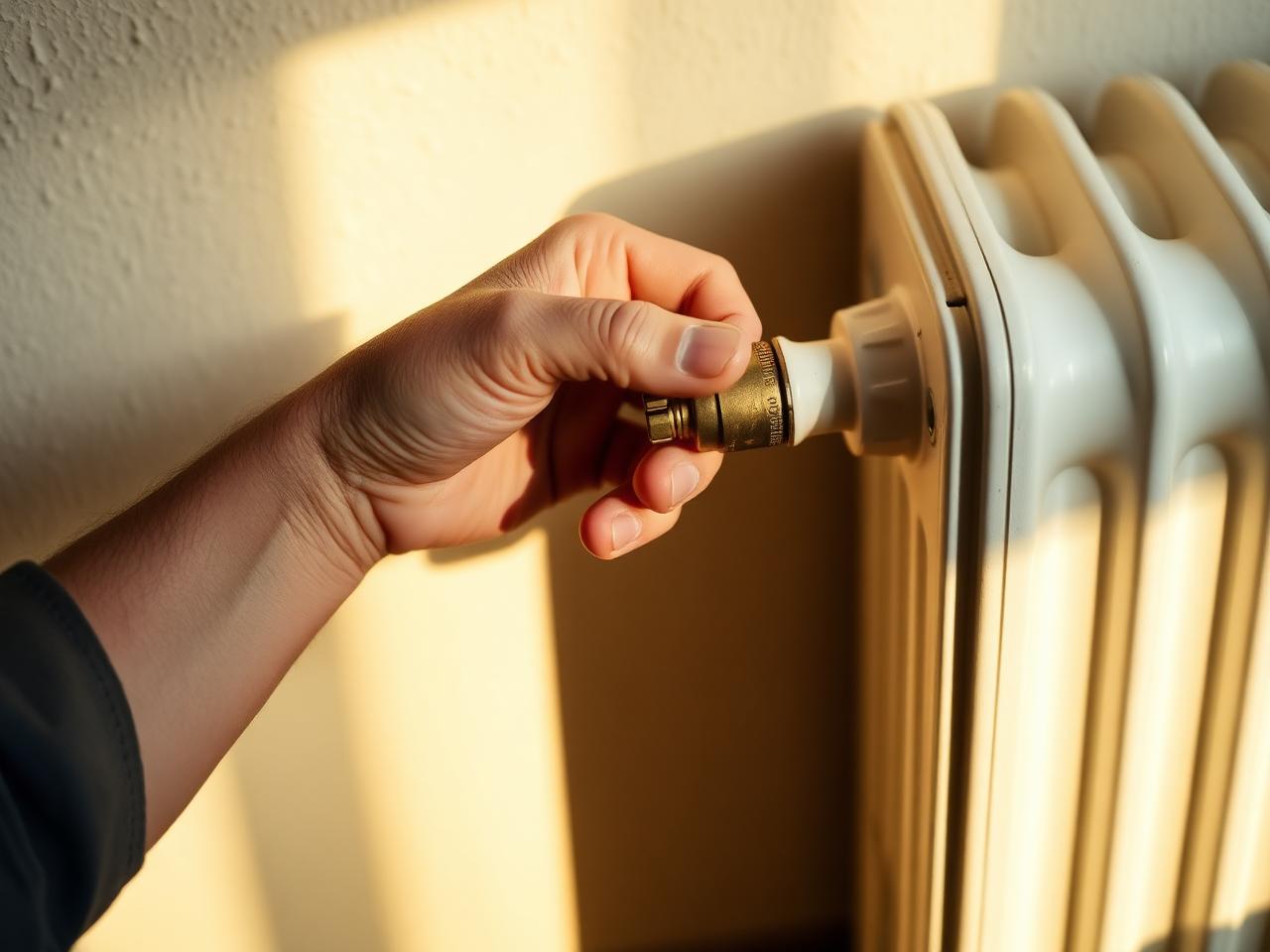
Low pressure on a boiler in La Font de la Guatlla does not, on its own, prove that a component needs replacing. To request a useful inspection, identify the appliance and record its cold-pressure reading and any error message without touching gas components.
Record symptoms without dismantling
Only carry out user checks permitted by the appliance manual. Note when pressure falls, whether there is visible dampness around the circuit and whether heating or hot water stops working. Do not repeatedly top up the system or remove its casing to keep it running. Request a diagnosis before agreeing to replacement parts. For a pressure-loss diagnosis, note the date, visible gauge reading when cold and any display warnings without removing the casing. Explain whether the reading changes after heating or hot-water use. Do not repeatedly top up the circuit to mask the symptom; ask for the cause to be established before parts are replaced.
When to stop using the system
If you smell gas, notice signs of abnormal combustion or encounter a significant leak, move away, follow the supplier's emergency guidance and seek authorised help. For gradual pressure loss alone, request a professional inspection explaining the cause and scope of any repair. One low reading does not justify a replacement. Ask the quote to explain tests, alternatives and the final check.
Safety, responsibilities and permissions
If you smell gas, do not operate switches or equipment; follow supplier and emergency guidance. Building services, structural elements and fire-safety features require appropriate competence and safeguards. Do not force jammed components or attempt high-level access with household equipment. Safety requirements depend on the actual intervention. If the work overlaps a renovation, coordinate trades and distinguish the original fault from changes arising during other tasks. Record the previous condition.
Arranging access in the neighbourhood: La Font de la Guatlla
La Font de la Guatlla belongs to Barcelona's Sants-Montjuïc district in the city's municipal boundaries. This identifies the area, but says nothing about the materials, services or access conditions of a particular property. Check how people and materials will enter and which surfaces need protection. Access can vary even between nearby buildings. Do not assume narrow streets, old housing or parking problems from a neighbourhood name. For a targeted repair, define a clear completion test: which symptom should cease and how it will be checked without creating further damage. Written scope, records and handover Clarify included parts, who handles waste and how the finished result will be tested. Do not assume warranties that are not documented in the actual offer. Keep photographs and payment records. For an occupied home, agree how furniture, services and normal access will be protected without assuming all tasks can be done while residents remain present. The document should explain how the particular repair will be verified, not merely list materials to be consumed. Verified neighbourhood context La Font de la Guatlla recorded 10,869 residents in the 2026 municipal register, averaging 366 people per hectare, according to municipal data compiled by BCN.DADES. Before arranging a technical visit, ask for the precise address, building entry arrangements and who may authorise changes to shared installations or components. Neighbourhood density does not describe the actual property. These are area-wide figures, not evidence of the condition of any building.
Describe the problem in La Font de la Guatlla, attach safe photographs and request a written assessment. Submitting an enquiry does not confirm a price or appointment.
