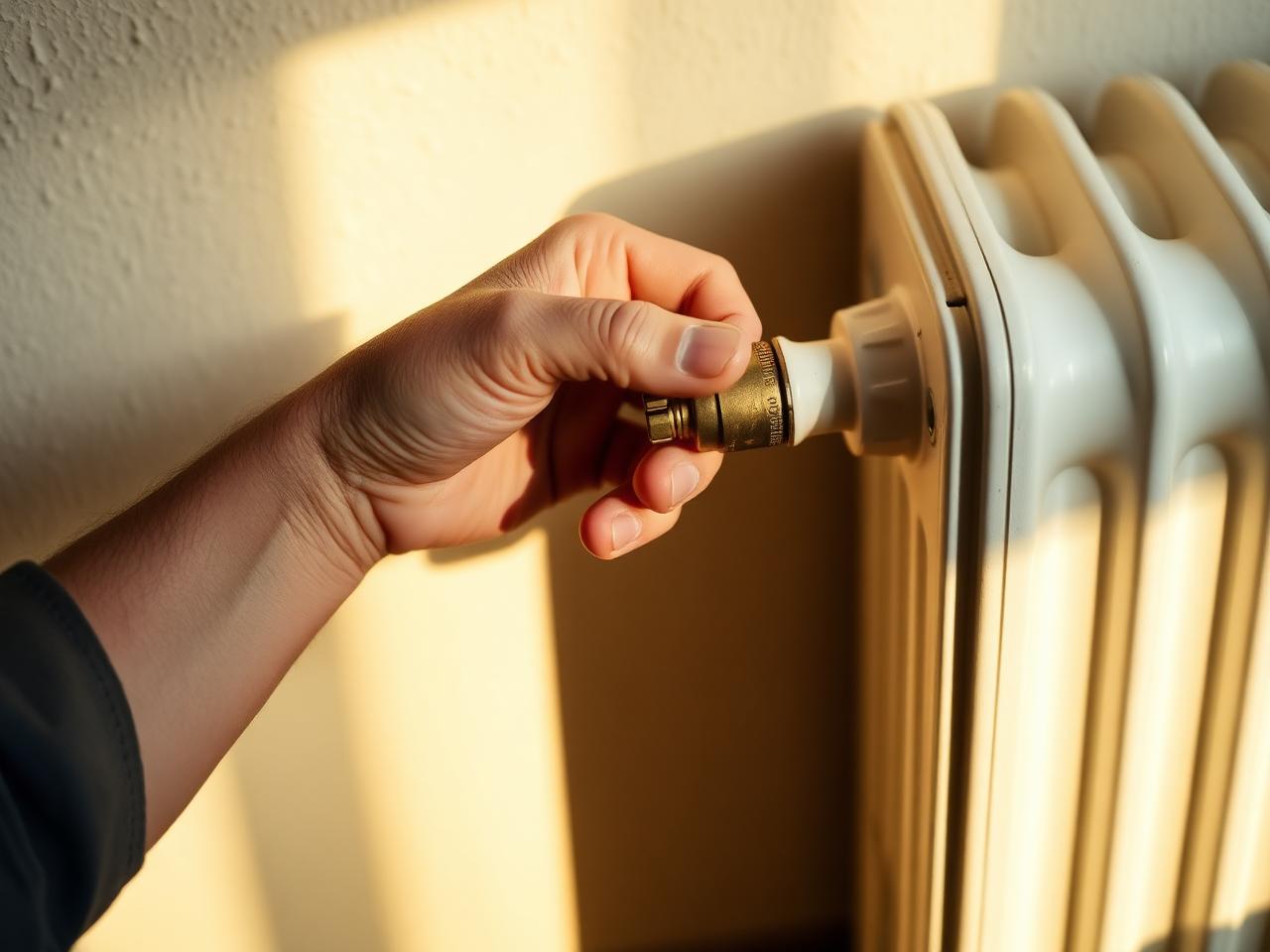
One radiator staying lukewarm while others heat normally, a thermostat apparently calling for warmth without a response, and higher bills despite unchanged habits are different heating problems. For a heating enquiry in La Bordeta, identify the actual system, its controls and the precise symptom before discussing replacement. A cold room does not automatically mean a new boiler is needed. This guide separates settings, servicing, fault diagnosis, repair and equipment renewal so that a quotation can be based on evidence rather than assumptions about any particular building in the neighbourhood.
Diagnose the symptom before replacing equipment
A cold room does not prove the heat source has failed. Note whether the problem affects every emitter, whether the thermostat is requesting heat and whether it occurs at particular times. In a wet radiator system, a closed valve, trapped air, poor circulation or hydraulic imbalance may produce similar symptoms. An air-source heat pump requires a different assessment of filters, indoor units, operating mode and controls. Describe the system that is actually installed before requesting parts or a replacement. Record whether a radiator is cold throughout or only in one area, whether there are circulation noises and whether any leaks are visible. Do not dismantle pressurised valves, bleed fittings or pipework to investigate. Repeated pressure loss, wet joints or staining near a pipe need professional attention. Replacing a thermostat cannot resolve a leaking circuit. The cause and the condition of affected connections must be established first. A thermostat may have unsuitable schedules, a poor sensor location or a communication fault. It may also be working correctly while the room struggles to reach its set point because of heat loss, undersized emitters or insufficient distribution. Distinguish a faulty reading from an inability to deliver heat. Ask which checks support a proposed change of controls, circuit boards or the heat source. Replacing parts by guesswork can increase costs without solving the problem. With communal heating, distinguish components serving one dwelling from shared plant and distribution. Changes to risers, balancing or central equipment may require authorisation and coordination. Explain whether the fault affects one room, the whole dwelling or several users if that is known. Do not assume any particular building in La Bordeta uses communal heating. Responsibility for access and modifications should be established before work is commissioned. Servicing is not the same as fault repair. Cleaning, safety checks and control adjustments depend on the equipment and applicable requirements. Spain's Regulation on Thermal Installations in Buildings addresses safety, energy efficiency and maintenance within its scope. Work requiring an appropriately authorised installer should not be described as a do-it-yourself task. Never tamper with gas equipment, flues or electrical connections to restore heat. Before replacing the whole system, compare repairing a valve, changing an emitter, improving control or renewing the generator. Sizing, operating temperatures, available energy supply and compatibility with the existing distribution matter more than a headline capacity. A heat pump may be suitable in some cases, but feasibility cannot be decided from the neighbourhood name. Ask what can remain, what must be removed and which tests justify the recommended option.
Warning signs and safe boundaries
If you smell gas, suspect combustion fumes, notice a significant leak or identify an electrical hazard, do not attempt to open or repair the appliance. Follow the advice of the appropriate emergency or competent services for the risk involved. Do not obstruct ventilation openings or flue outlets to keep heat inside. Repeated pressure loss, a leaking radiator or equipment that continually locks out needs targeted investigation. If a room remains cold despite the system running, the building fabric and heat losses may also need assessment. Do not mistake an unresolved diagnosis for proof that the entire installation must be replaced.
Controls, emitters and energy use
Thermostatic radiator valves and programmable room thermostats can improve control where they are compatible and correctly configured. Spain's IDAE publishes official household energy-saving guidance, including advice about maintenance and keeping radiators unobstructed. This does not guarantee a fixed saving from a particular device: user behaviour, heat loss and system condition affect the outcome. When replacing a radiator, ask about dimensions, connections, supports, material and balancing. For a boiler or heat pump, request the relevant technical information and an explanation of how the proposed equipment matches the system. The official building-code energy guidance provides a framework, not automatic certification of an individual quotation. Brand recognition does not replace sizing, commissioning or appropriate documentation.
Request an itemised heating quotation
Say whether you need a diagnosis, routine service, leak repair, valve replacement, better controls, radiator changes or complete system renewal. Provide the equipment type if known, symptoms, visible fault codes, photographs of accessible components and whether the installation is shared. Do not remove covers or interfere with live equipment to obtain a photograph. Ask for separate lines covering attendance and tests, parts, labour, draining and refilling if necessary, adjustment, final checks, disposal and documentation. Compare justified alternatives before agreeing to a complete replacement. Establish who handles permissions, communal components and any electrical or building work. The Catalan Consumer Agency publishes guidance on contracting home services and payment records. Reliable prices and completion dates require inspection of the actual scope.
