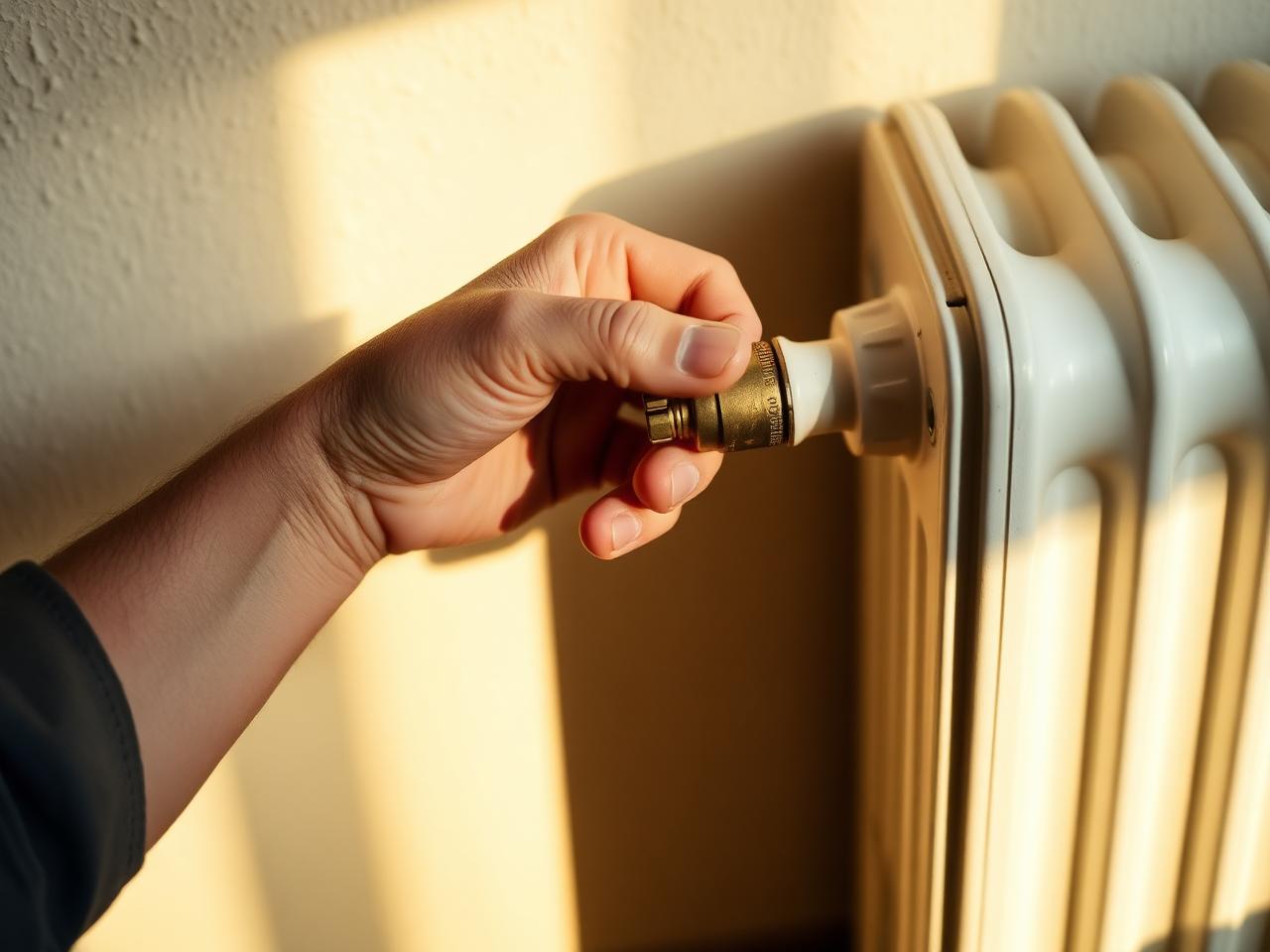
Heating in L'Antiga Esquerra de l'Eixample may present as radiators warming unevenly, a thermostat stopping the system too soon, knocking noises when heat comes on, or a boiler displaying a fault code. None of these symptoms automatically means the boiler should be replaced. The first task is to distinguish control, circulation, emitter, pressure and safety issues, and establish whether the affected equipment belongs to an individual home or a shared system. The neighbourhood alone does not tell us whether a particular building has communal heating, an individual boiler or any specific pipework.
Tracing uneven heat, controls and circulation faults
If only some radiators warm up, note which ones, whether the problem changes during the day and how their valves respond. Air, insufficient flow, hydraulic imbalance, deposits or a control setting can produce similar symptoms. Do not open connections or drain water without understanding the circuit and the manufacturer's instructions. In a communal system, adjusting one part of the circuit can affect other homes, so the building's maintenance arrangements must be established before intervention. A thermostat can stop heat prematurely if it is exposed to direct sunlight, located beside another heat source or programmed for the wrong occupancy pattern. Record its displayed temperature, operating schedule and whether emitters continue to warm after it calls for a stop. A closed thermostatic radiator valve does not prove the boiler is faulty. Before suggesting a replacement controller, check electrical, hydraulic and communication compatibility. Spain's RITE thermal installations regulation provides a technical framework for efficiency and maintenance, but cannot replace measurements on the actual equipment. Describe noises rather than simply calling them a boiler fault. A knock during a temperature change, a continuous hum and a whistle near a valve may point towards different components. Expansion, supports, flow rates and pumps are possibilities to investigate. Note where the sound is heard and whether it coincides with heating demand or hot-water use. Do not dismantle pumps or defeat protective devices to silence them. Where water is leaking, protect the affected area and obtain competent assistance before patching damaged finishes. For an individual boiler, photograph the display and record the exact model and fault code without removing safety covers. Error codes vary by manufacturer. Combustion, flues and fuel connections are not household adjustment tasks. Spain's gas installation regulation sets technical requirements for appropriate professional work. Repeated resets or bypassing a safety interlock is not a diagnosis. Where heating is centralised, contact the person responsible for plant maintenance before assuming that a cold private radiator calls for alterations to communal equipment. Comfort and energy use also depend on the building envelope. The Building Technical Code's DB-HE documents address energy efficiency, but cannot support a promised percentage saving from a new thermostat or radiator in an unknown property. Draughts, heat loss and unsuitable settings may leave a room uncomfortable even when the emitter is functioning. The proposal should distinguish measured findings from assumptions and avoid selling an expensive replacement as the first step. Prepare wide and detailed photographs of the boiler display, thermostat, valves and affected radiators without opening equipment. Explain when the fault began, how many rooms are involved, whether the installation is shared and what maintenance records are available. A competent assessment may recommend regulation, hydraulic checks, a compatible replacement component or referral to a suitably authorised installer. Diagnosis should come before, not after, a decision to replace equipment.
Gas, combustion and water hazards
If you smell gas, suspect combustion fumes, hear a carbon monoxide alarm, see smoke or have a major leak, leave the affected area and contact emergency services or the relevant fault service from a safe place. Do not operate electrical switches where a gas leak may be present and never test for escaping gas with a flame. Fuel connections, combustion equipment, flues and safety controls require competent professionals. Do not bridge an interlock or remove a protective cover to make heating run. If a fault involves a communal plant room or shared flue, notify the responsible party. Water escaping near electrical installations and persistent safety alarms take priority over efficiency improvements or cosmetic repairs.
Matching valves, thermostats and replacement parts
A thermostatic head must match its existing valve body, a controller must suit the system interface, and a boiler part must meet the manufacturer's specification for that model. Similar appearance or a familiar brand is not enough. Pressure, operating temperature, connection materials and seal compatibility matter when defining the work. Ask for the proposed part references and the technical reason for replacement. The official sources describe regulatory and efficiency requirements; they are not proof that any particular repair has already been carried out or approved.
Itemised quotations for diagnosis and repair
Ask for separate lines covering attendance and diagnosis, testing, control adjustments, labour, replacement components, any necessary circuit draining and refilling, final checks and documentation. Balancing radiators is not the same job as replacing a boiler. Changing a valve does not include repairing concealed pipework. The scope depends on the actual system, access, parts and findings, not a supposed neighbourhood price list. Be wary of a quote that specifies a new boiler without explaining why repair is unsuitable. For shared systems, clarify authorisation and any planned interruption of service. Compare quotations on the same scope, including exclusions and the procedure for approving unexpected additional work.
