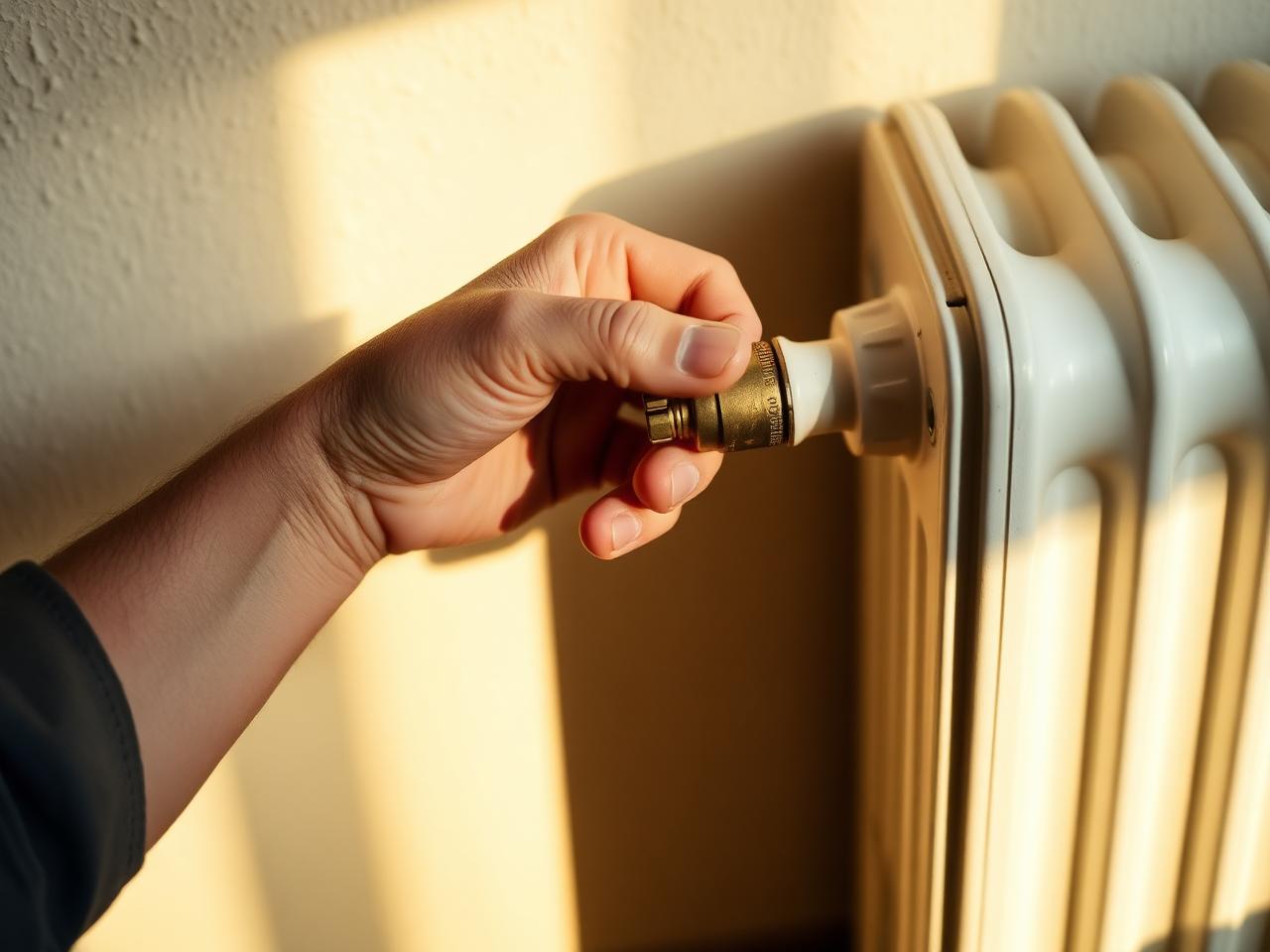
If a radiator valve is leaking in Horta, replacing the entire radiator is not automatically the right answer. Water may be escaping from a joint, seal, valve body or adjacent pipe, and each fault calls for a different repair. Heating enquiries also include cold radiators, thermostats that do not control temperature and rooms that warm unevenly. Before requesting a quotation, describe exactly where moisture appears, whether the problem happens with heating on or off, what type of system you have and whether other rooms are affected. Horta identifies the service area; it does not establish that a particular building has an individual boiler, communal heating or any specific valve model.
Find the leak before changing heating components
A useful assessment starts by identifying the heating system and the location of the symptom. A drip near a valve might come from the spindle, threaded joint, connection to the radiator or pipework. Visual observation can help locate it, but pressurised or hot connections should not be dismantled without suitable competence and preparation. The professional needs to assess component condition, compatibility, pressure and how the affected section can be isolated. A radiator cold at the top may contain trapped air; one that is cold throughout may have a control, flow or heat-supply issue. These patterns are clues, not final diagnoses. The IDAE technical guide covers heat generation, distribution, emitters and controls for individual systems, but does not imply every installation can be treated in the same way. A repair may involve a suitable seal or valve, a pipe connection, or investigation of hydraulic imbalance. Communal heating requires coordination with whoever is responsible for its maintenance. Following work, leak tightness, safe operation and relevant records should be checked before returning the system to service. Do not assume a whole radiator is defective simply because one fitting has failed.
Leaks, pressure changes and unsafe interventions
If water loss increases, reaches electrical fittings, affects another property or accompanies a significant pressure drop, avoid improvised repairs and seek appropriate professional assistance. Tightening a hot, pressurised joint with random tools may make a leak worse. Do not drain a communal heating circuit without authorisation and coordination. Spain's RITE establishes safety and maintenance requirements for thermal installations within its scope, including work that must be undertaken by appropriately authorised businesses. A defective radiator valve does not establish that a boiler is faulty. If you smell gas or suspect unsafe combustion, stop handling equipment, follow the supplier's emergency guidance and contact the relevant emergency service. A minor repair is not a substitute for statutory inspection or maintenance. If the issue is uneven comfort rather than a leak, review room controls, schedules, balancing and furniture obstructing radiators before specifying replacement equipment. Different symptoms require different investigations.
Compatible valves, seals and temperature controls
Radiator valves vary in thread, diameter, flow direction and compatibility with thermostatic heads. Identify the existing connection, dimensions and circuit conditions before ordering parts. A head that does not regulate correctly may need a different intervention from a leaking hydraulic valve body. Seals must suit the fluid and working conditions; unknown sealants should not be used as a shortcut. When upgrading controls, consider how room thermostats and radiator valves interact so one device does not undermine the other. IDAE provides energy-efficiency guidance, but it would be misleading to promise a specific percentage saving without knowing the building, use and system. The CTE DB-HE covers building energy requirements where applicable. Ask the contractor to identify proposed replacement components and explain whether the existing radiator can remain. Technical product information and maintenance documentation matter more than a brand name without a model or specification. Avoid substituting parts solely because they appear similar in a photograph.
Itemise diagnosis, repair and recommissioning
A written estimate should separate initial checks, access, isolation or partial draining where required, the valve or seal, ancillary materials, labour, refilling or bleeding where appropriate, leak testing, operational checks, waste removal and taxes. For communal systems, clarify who coordinates with the building's authorised maintenance provider. An estimate to replace an entire radiator is not directly comparable with one to repair a connection; each should identify the fault it is intended to resolve. Incompatible fittings or concealed damage may require extra work, but variations should be explained and agreed in writing before proceeding. The Catalan Consumer Agency advises customers to request clear written estimates and notice of extra charges. There is no universal price for repairing a radiator valve in Horta without identifying the system and access conditions. Ask for a record of parts fitted, tests performed and relevant usage or follow-up advice. A comfort assessment and a leak repair are separate services, and a quotation should not silently combine or substitute them.
For a leaking radiator valve, cold radiator or heating control problem in Horta, explain whether the installation is individual or communal and when the symptom appears. Send safe photographs of the whole radiator and affected connection without touching hot pipework or electrical fittings. That information can support an inspection and a quotation distinguishing adjustment, component replacement and any additional work.
