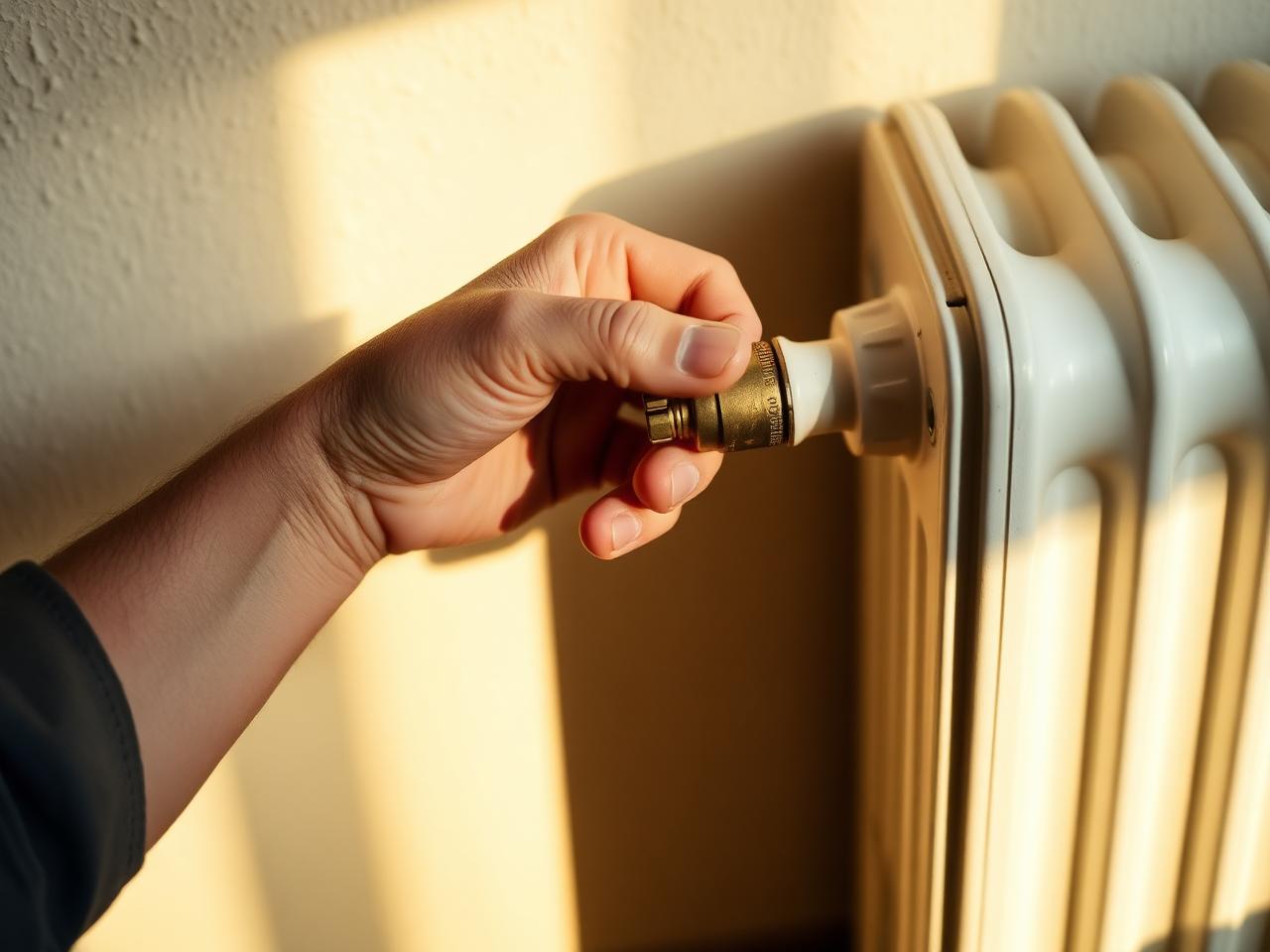
A radiator that remains cold at the top in a home in el Turó de la Peira does not, by itself, justify replacing the boiler or the radiator. Air in a water circuit, poor circulation, a control setting, a faulty valve or a problem with heat generation can produce different but overlapping symptoms. The neighbourhood tells us where the enquiry relates to, not the age, layout or condition of the building. A useful heating request distinguishes what can be observed from what needs testing. It should say which rooms are affected, when the problem occurs, which equipment is present and whether there are any safety concerns. This helps frame a repair or replacement decision without promising a diagnosis from a photograph.
A staged assessment before repair or renewal
A sensible investigation separates the heat source, distribution pipework, emitters and controls. Depending on the system, a competent technician may check manufacturer-specified operating conditions, circulation, valves, thermostat settings, pressure readings and whether balancing is relevant. Electrical heating requires appropriate testing and isolation procedures. Gas and combustion equipment may only be worked on by appropriately authorised personnel where regulations require it; general advice is not a substitute for statutory checks. Once a cause is supported by evidence, compare adjustment, repair with a compatible part and replacement of the affected equipment. Consider safety, condition, spare-part availability, efficiency and ongoing maintenance duties. Ask what was tested at completion and what documents or certificates apply. A radiator warming up briefly after a reset does not demonstrate that the original fault has been eliminated.
Record symptoms without interfering with safety devices
Note whether one radiator is affected or the entire heating system, whether there are unusual circulation noises, visible leaks, pressure changes, error codes or controls that no longer respond. Use only user-accessible indicators and instructions provided by the manufacturer. Do not open gas appliances, bypass safety devices or work on electrical connections. If you smell gas, suspect carbon monoxide or notice abnormal combustion, leave the danger area and use the relevant official emergency or utility channels. Water near electrical equipment also calls for caution. For a repeated fault, record when it first appeared, what the display showed, whether a reset was attempted and how long any improvement lasted. A noise does not prove that the pump has failed, and a cold room does not establish that the boiler is undersized. Avoid ordering parts before the underlying fault has been assessed.
Check component compatibility and system constraints
A replacement radiator, thermostatic valve or smart thermostat needs more than a matching appearance. The existing heating technology, connections, operating range, dimensions, control wiring and manufacturer guidance all matter. Replacing an emitter without investigating flow may leave the same cold spots. Adding a connected controller will not cure a mechanical defect or unsafe appliance. Request the precise references and specifications of proposed parts, and an explanation if equivalents are offered. Replacing a boiler or considering a heat pump requires an assessment of the actual demand and installation, not an assumed capacity based only on floor area. Spain's RITE and relevant Technical Building Code documents provide regulatory context; the exact obligations depend on the work proposed. Do not drill into unknown walls or open concealed services to gather information for a quotation.
Ask for an itemised heating quotation
A clear quotation separates attendance and diagnosis, authorised testing, removal, parts, labour, connection changes, controls, commissioning checks, disposal and any required paperwork. It should distinguish a local repair from partial replacement and a wider system upgrade. If the scope depends on a fault that cannot yet be confirmed, request a stated assumption and a written approval step before extra work begins. Compare offers on compatibility, exclusions, applicable consumer rights and evidence of final checks, rather than the headline figure alone. Clarify any need to protect finishes, interrupt heating or arrange access to shared equipment, without assuming these conditions apply to every home. A reliable price cannot be inferred from the neighbourhood name or a generic radiator photograph. Keep invoices, manuals and any documents required for the work actually carried out.
