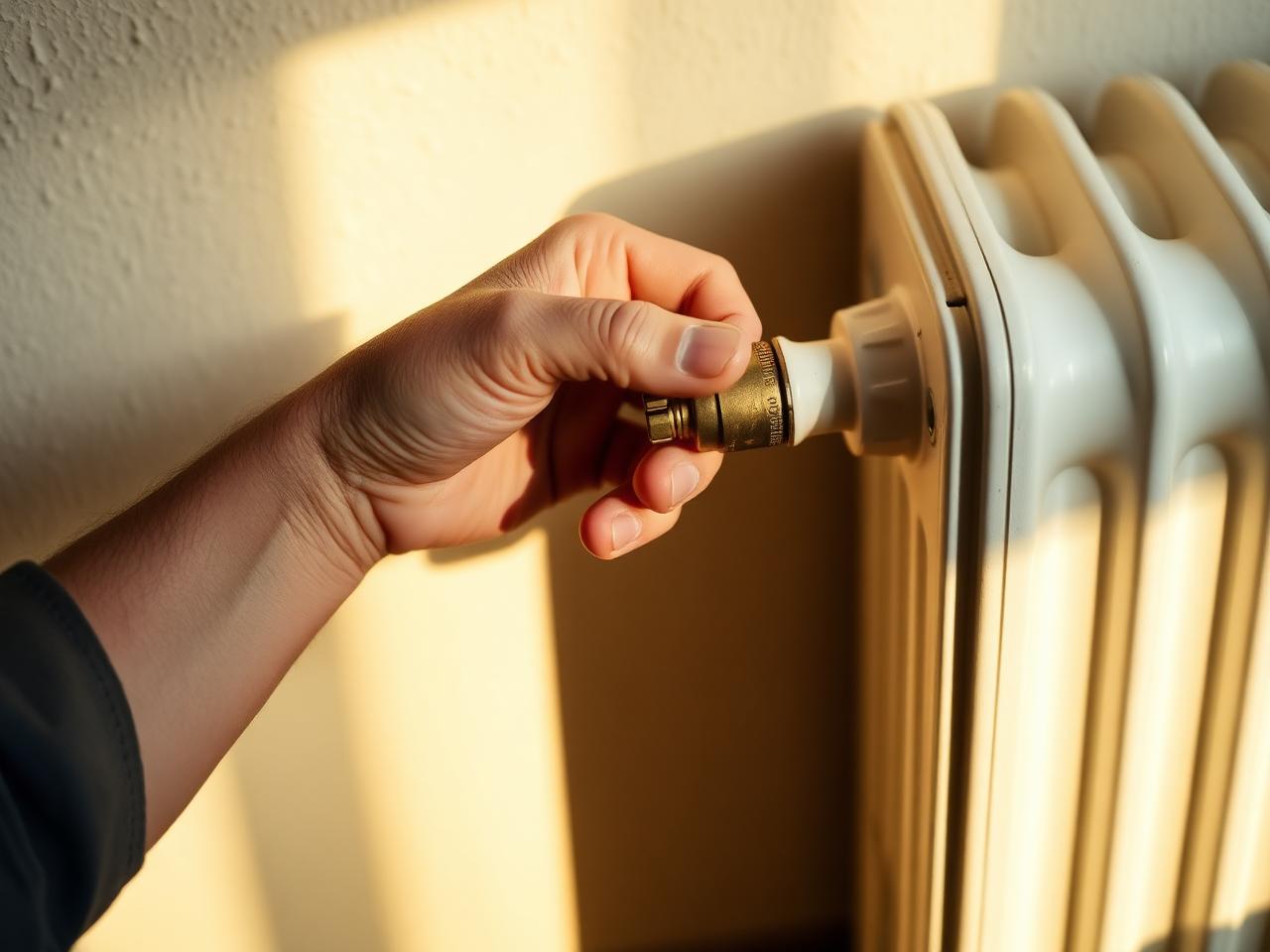
In el Congrés i els Indians, a heating enquiry may begin when a sealed system's pressure gauge rises as the water warms and falls after the boiler stops. Some movement is expected as water expands, so the gauge alone cannot establish a fault. The useful distinction is between an ordinary variation and persistent pressure loss, safety-valve discharge or repeated shutdowns. Before requesting an assessment, record the readings when cold and warm, the system type and any visible water. The neighbourhood identifies the enquiry area; it says nothing about the equipment installed in a particular building.
Record the pressure pattern without opening equipment
Read the visible gauge when the heating is cold and again during normal operation, without removing a cover or touching internal controls. Note when the change happens, whether an error code appears, whether radiators stop heating and whether pressure falls even when the system is idle. A photograph of the gauge and model label helps a competent professional consult the correct manufacturer guidance. Repeatedly topping up a system to conceal a pressure drop is not a repair: it may introduce air and hide a leak. Never obstruct a safety discharge pipe. A proper diagnosis distinguishes several possibilities, including leaking pipe joints, a radiator leak, an expansion vessel that no longer responds correctly, a faulty sensor, a safety valve passing water or a recent filling or venting event. The assessment may compare readings at rest and while heating, inspect accessible connections and check whether a discharge line shows evidence of water. A single pressure figure does not determine the cause. The appliance instructions, circuit height, arrangement and ownership matter. With communal heating, residents should report the issue to the building manager and maintenance provider rather than adjust shared components. IDAE provides useful advice on heating controls and maintenance, not a remote diagnosis of any specific boiler. A broader heating service can also assess radiator performance, thermostat settings, circulation and balancing where the symptoms justify it.
When to stop checks and request competent help
Visible leakage, water escaping from a discharge, repeated low-pressure warnings or a boiler lockout merit professional assessment. A heating circuit may contain pressurised, very hot water. Do not loosen fittings, vents or valves unless you are trained and can safely isolate and restore the installation. If you smell gas, avoid flames and electrical switches, leave the affected area and follow the supplier's and emergency services' instructions. Work on combustion, flues and safety devices must not be treated as household troubleshooting. When several flats report the same symptom, contact the building management so the shared network is assessed coherently. A change following recent maintenance may have a different explanation from a slow weekly loss. Useful observations are dates, visible readings, affected rooms, noises and photographs taken without dismantling. The Spanish Technical Building Code links to the RITE framework for thermal installations; its relevance to the particular equipment requires qualified assessment. Do not infer that a higher pressure automatically means a failed expansion vessel or that a cold radiator necessarily proves a leak.
Repair the verified fault rather than replacing parts at random
A pressure problem does not automatically require a new boiler. An accessible leaking union may allow a local repair; a failed expansion vessel needs different checks; a misleading gauge may suggest a hydraulic issue that is not present. Before authorising parts, ask what evidence identifies the defective component and what alternatives have been ruled out. Replacement vessels, sensors and safety valves must match the appliance, connections and working specifications. Similar appearance does not prove compatibility. A concealed pipe leak may require separate allowances for locating the fault, opening a surface, carrying out the repair and making good the finish. Cold radiators may instead involve flow or control faults unrelated to gauge movement. Avoid speculative replacement of several components. After an agreed intervention, request appropriate leak-tightness and operational checks, with the results explained and any monitoring advice documented. In a shared system, establish who owns each component and who may authorise the work. A sensible scope addresses the cause rather than merely restoring the pointer temporarily.
Compare itemised heating quotations on the same basis
Ask for a written estimate separating attendance, diagnosis, pressure and expansion checks, leak detection, parts, labour, final testing, taxes and any necessary opening or making good of finishes. The document should distinguish confirmed faults from hypotheses awaiting inspection. Ask whether the diagnostic charge is included in a subsequent repair and how changes in scope will be agreed if a hidden leak is found. The Catalan Consumer Agency explains the importance of written estimates and consent to additional charges for home services. There is no universal price for pressure-related heating work in el Congrés i els Indians: circuit design, access, the correct component and communal responsibilities all affect the scope. Compare quotations that include the same checks and outcomes, not merely the lowest headline figure. Request an invoice, a description of the fitted parts and clear exclusions. A proposal that only promises to restore pressure without finding the reason may leave the problem unresolved. The municipal Barcelona guide verifies the neighbourhood and district, but does not evidence a local job, technician base or response time.
For heating help in el Congrés i els Indians, describe whether the system is individual or communal, provide visible cold and warm gauge readings and explain any leaks, noises or shutdowns. Ask for separate diagnostic and replacement-part lines, and do not open the circuit to prepare the enquiry.
