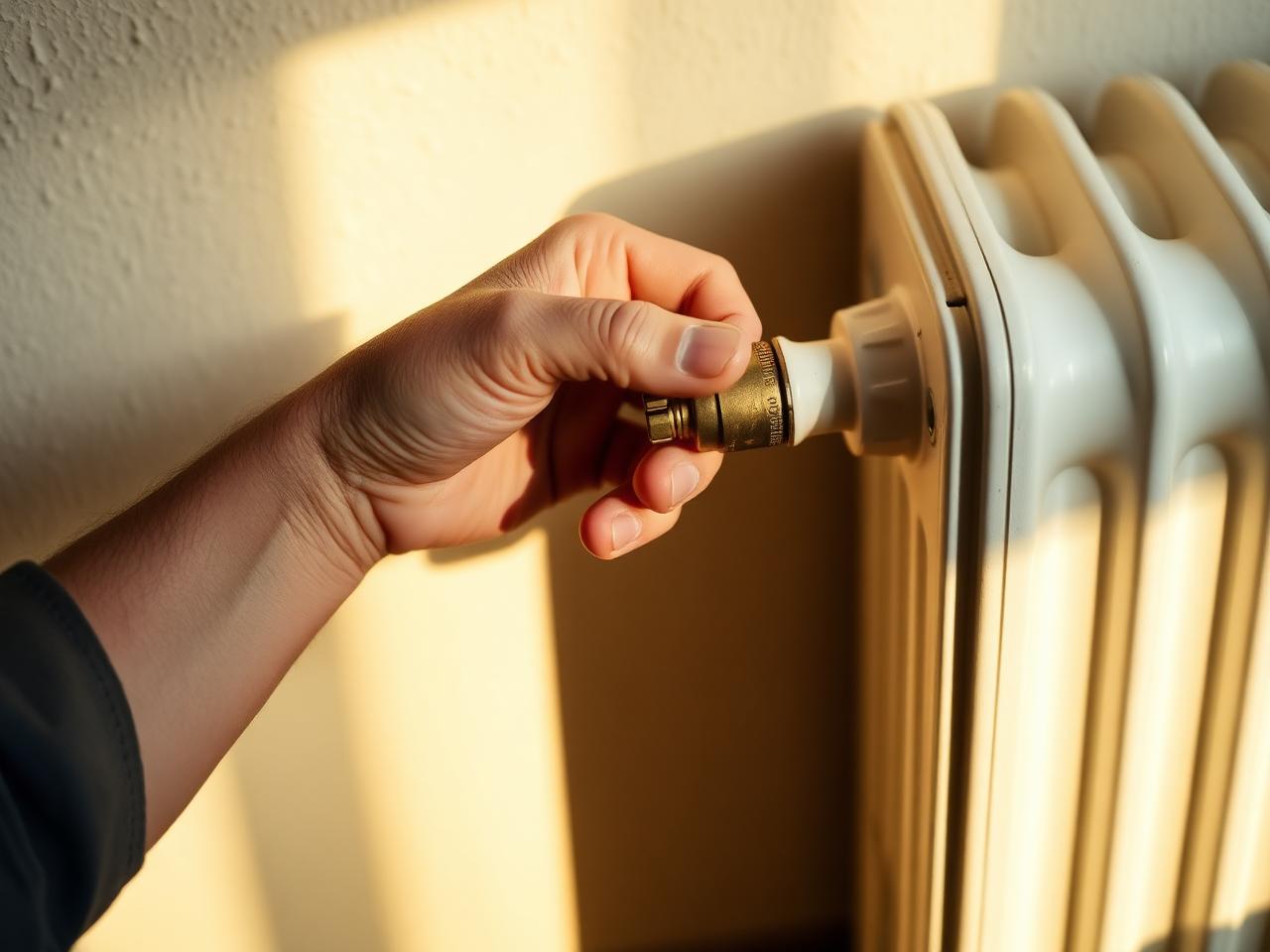
For a heating enquiry in El Carmel, describe what the system actually does rather than naming a part you think needs replacing. Record whether every radiator stays cold, only one room is affected, the programmed temperature is reached, and hot water is also failing. Check only visible controls, operating mode and any error message on the display. Do not open a boiler or interfere with gas, electrical connections, flues or pressurised components. El Carmel is a Barcelona neighbourhood, but its name tells us nothing about the heating equipment in an individual property. Explain whether the system serves one flat or the whole building, when the fault started and which rooms are affected. If you smell gas, move away from danger and follow the distributor's emergency instructions; do not operate switches. This information helps a professional select sensible checks without making unsupported assumptions.
Cold radiators: one room or the whole system?
If one radiator stays cold while others work, regulation, circulation or hydraulic balancing may be relevant. If none warms up, the checks differ: the engineer needs to establish whether the heat source is operating, the controller is calling for heat and the circuit is distributing it. Note which rooms are affected and whether the fault is constant or happens at particular times. Do not assume that bleeding a radiator cures every cold patch or noise. Intervention without understanding system pressure and configuration can introduce further faults. A professional may examine valves, filters, circulation pumps, sensors or controls as appropriate. Ask which observations support the proposed diagnosis before approving a replacement part. Replacing a component without testing can leave a flow or control fault unresolved, increasing costs without restoring comfort.
Boilers, heat pumps and shared heating systems
Before requesting work in El Carmel, establish whether the flat uses an individual boiler, a heat pump, electric emitters or a central heating system. These require different checks and may have different ownership arrangements. If neighbouring flats report the same problem, notify building management before commissioning work on shared plant. Where water is leaking close to an appliance, avoid wet electrical fittings and use an isolation control only if you can identify and reach it safely. Never override safety locks or repeatedly reset a boiler showing a fault. Combustion equipment, ventilation and flues must be handled by appropriately qualified personnel where required. A neighbourhood's presumed building age is not a valid diagnosis: the actual installation and its records matter. For tenants, inform the landlord and keep a dated record of symptoms.
Energy efficiency and replacement decisions
High running costs do not automatically mean the heat generator must be replaced. First consider controls, schedules, heat loss, pipe insulation and operating temperatures where relevant. A poorly insulated room may remain uncomfortable even with a larger appliance. Spain's Regulation on Thermal Installations in Buildings, known as RITE, sets energy efficiency and safety requirements for heating and other thermal systems; applicability depends on the specific work. A sound proposal should address heating demand, compatibility with existing radiators, available space, condensate arrangements, flue requirements and future maintenance. If an outdoor heat-pump unit is considered, check building and owners' association conditions before choosing a location. Compare expected running costs and installation changes rather than only the purchase price. Ask what assumptions underlie any claimed energy savings.
What a heating quotation should explain
Request a breakdown of diagnosis, any call-out charge, parts, labour, safety tests and commissioning. For a proposed replacement, clarify which existing components will remain and what electrical, hydraulic or exhaust adaptations are needed. Ask which technical documents and maintenance records should accompany the equipment; do not accept a general promise of lower bills without calculations. Agree who can authorise extra work if inspection reveals a different defect. After completion, keep the invoice, the description of the fault, relevant checks and safe operating instructions. Access to the appliance, system design and actual scope affect the price; the neighbourhood alone cannot establish a fair rate. A useful comparison is between quotations covering the same diagnosis, materials, testing and reinstatement, rather than two unexplained totals.
When enquiring, state the heating type, affected rooms, visible error code and whether the fault concerns an individual flat or shared installation.
